
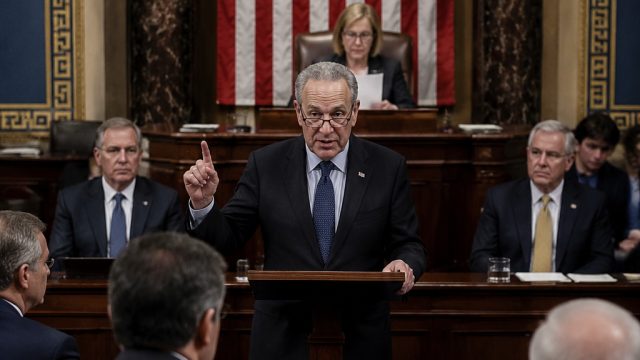
In a significant move that underscores a shift in American foreign policy, the Senate has voted to approve a measure initiated by the House aimed at ending U.S. military involvement in the ongoing conflict in Iran. This decision, which comes amid a tumultuous political landscape, has sparked widespread discussion about the implications for national security and international relations.
Background on the Measure
The measure passed by the Senate follows a prolonged period of heightened tensions between the United States and Iran, marked by military engagements and diplomatic disputes. As U.S. troops remain stationed in the Middle East, many lawmakers have questioned the necessity and effectiveness of continuing military action. The recent voting reflects a growing sentiment among senators and constituents for a reevaluation of America's role in foreign conflicts.
Political Reactions
The response to the Senate's decision has been mixed. Supporters argue that this measure is a necessary step toward prioritizing diplomacy over military intervention. Opponents, however, caution that withdrawing support could embolden adversaries and destabilize the region further.
- Supporters: Claim this move promotes peace and reduces military strain.
- Opponents: Fear it may lead to increased aggression from hostile nations.
Implications for U.S. Foreign Policy
The approval of this measure signals a potential pivot in U.S. foreign policy, particularly regarding military engagements abroad. Analysts suggest that this could lead to more robust diplomatic efforts, emphasizing negotiation and collaboration over armed conflict. As public sentiment increasingly leans toward ending prolonged military involvement, policymakers are likely to consider alternative strategies that prioritize peace and stability.
Shifts in Voter Sentiment
Recent polls indicate that a significant portion of the American population supports ending military operations in Iran, reflecting a larger trend of skepticism toward foreign military engagements. This shift may influence future elections and the legislative agenda as lawmakers aim to align with the views of their constituents.
- Voter concerns about military spending.
- A desire for increased focus on domestic issues.
The Road Ahead for the Measure
As the measure moves forward, it is essential for observers to consider what the next steps might entail. Should the measure be enacted into law, it will reshape the framework of U.S. engagement in Iran and potentially set a precedent for future conflicts.
Potential Challenges
Despite its passage through the Senate, the measure may face significant hurdles. The Trump administration has expressed strong opposition to any plans that appear to weaken America's military stance globally. Legal and logistical challenges will also arise as the transition from military engagement to diplomatic solutions takes shape.
- Legal battles over troop withdrawal.
- Negotiation challenges with foreign governments.
Conclusion: A Defining Moment for U.S. Leadership
The Senate's decision to pass this measure marks a critical juncture in American foreign policy and reflects broader shifts in public sentiment regarding military intervention. As legislators and political leaders navigate the implications of this decision, it remains to be seen how the evolving dynamics will influence U.S. relations with Iran and other nations in the region. Moving forward, the emphasis on diplomacy could redefine America's approach to international conflicts, paving the way for a more stable global landscape.
