The F-35 has attracted a lot of criticism due to a series of problems encountered during the development and testing phase. However, Air Force leadership has been enthusiastic about its transformative potential. In fact, this is not the first time such controversy has arisen before various classic fighter aircraft are put into service.
The following 10 fighters all had problems in the early stages of development, but they eventually became the mainstay of the Air Force.
1. F4U “Pirates”
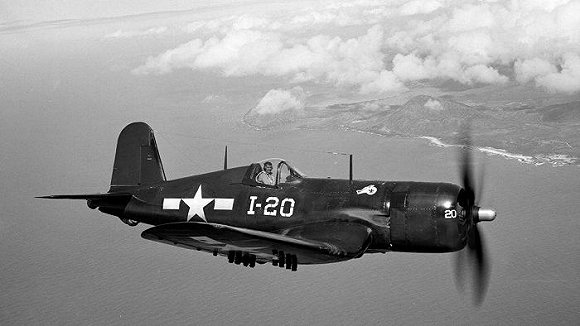
The performance of the Corsair fighter jet is very good, but its complex design has led to many fatal accidents. In fact, during World War II, the U.S. Navy once hoped that the Marine Corps would equip it at land bases to fight alongside the F6F "Hellcat".
Towards the end of World War II, the U.S. Navy needed high-performance fighters to deal with the "Kamikaze", and they began to take off "Corsair" fighters from aircraft carriers. This fighter eventually proved its excellent ground attack capabilities, especially during the Korean War.
2. P-51 Mustang
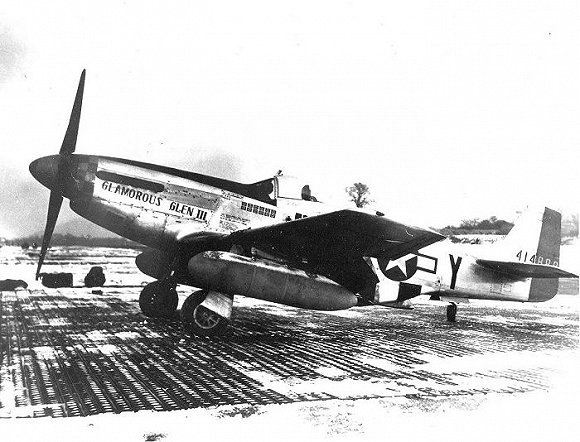
The P-51 prototype, the P-51A, was equipped with an Allison engine, which often caused problems when flying at high altitudes. However, some saw the potential of the P-51 and decided to try out the Rolls Royce Merlin engine. The modified Mustang was a huge success.
3. P-38 "Lightning"
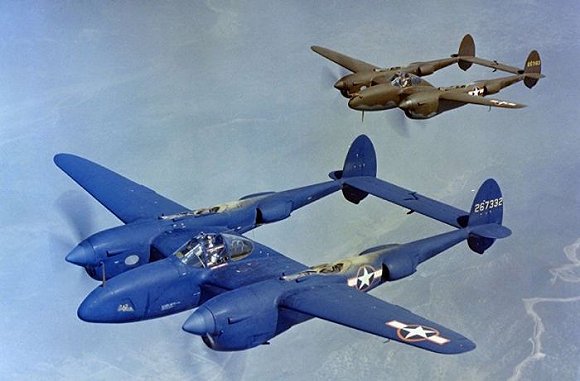
It’s hard to believe that something could go wrong with an airplane designed by legendary Lockheed Skunk Works designer Kelly Johnson. But the P-38 used by pilot Tom Lanphier to shoot down Isoroku Yamamoto did have a lot of problems.
Early versions of the Lightning were plagued by air compression problems. A similar accident over a wheat field near Rostock, Germany, nearly killed legendary pilot Robin Olds. Eventually, new dive flaps solved the compression problem. The P-38 fighter jet has made great achievements since then, and the shooting down of Isoroku Yamamoto is the most famous "kill".
4. F-111 "Aardvark"
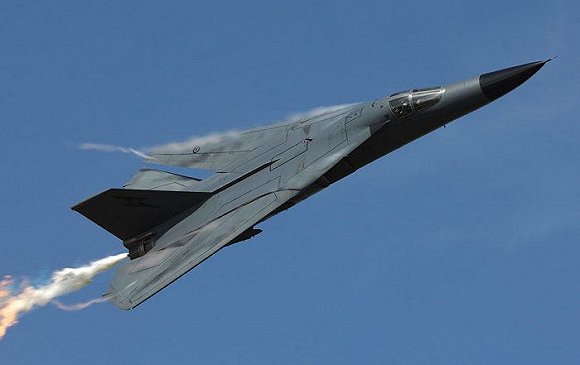
The "Aardvark" fighter-bomber has the characteristics of long range, high speed and large bomb load. Its early problems led U.S. Senator William Proxmire to angrily call it the "Flying Edsel" (the Edsel was a serious failure in Ford's history).
However, the aircraft ultimately performed quite well. It became a reliable all-weather attack aircraft. During Operation Desert Storm in the Gulf War, the F-111E and F-111F flew hundreds of sorties without any damage.
5. B-1B "Lancer"
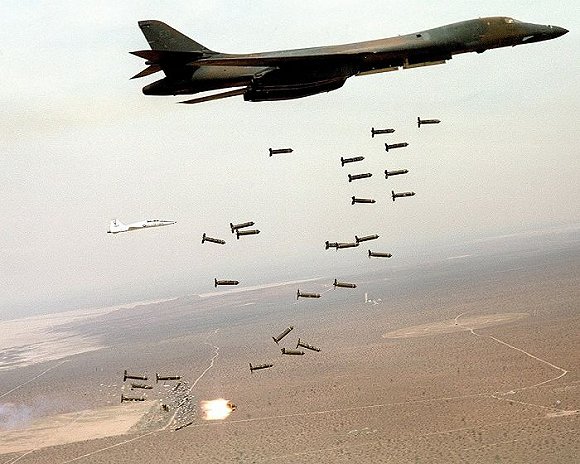
In the 1980s, this aircraft was known as the "Hangar Queen" and had many problems with its ALQ-161 jamming launch pad. A fierce debate broke out in the U.S. Congress just over whether to purchase this fighter jet. But in the 1990s, the B-1B became a conventional bomber.
6. C-17 "Globemaster"
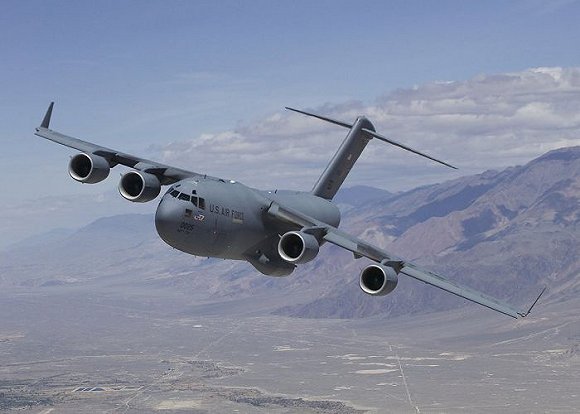
This aircraft had huge problems during its development. It was nearly discontinued when only a dozen fuselages were completed. However, the C-17 transport aircraft soon proved itself capable of replacing the C-141 transport aircraft. The C-17 is now in service not only with the U.S. Air Force, but also with NATO, the British Air Force, and other countries.
7. C-5 "Galaxy"
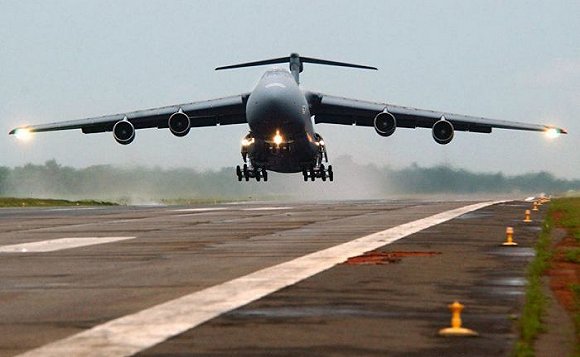
The plane's cracked wings and high cost made it dangerous to fly and limited its payload capacity. However, these issues were later resolved. Not only that, a round of modernization will allow the C-5 transport aircraft to continue serving for decades.
8. V-22 Osprey
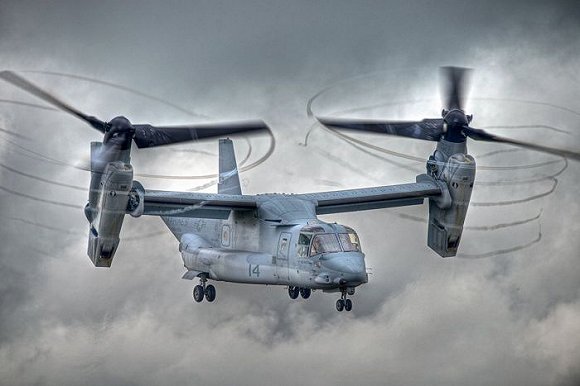
This aircraft is simply a "research and development hell" in the aviation industry. Scholars, politicians and even former US Vice President Cheney have wanted to cancel it many times. But the Osprey survived in the end, and not only did it become a game-changing aircraft, it is now also the backbone of the U.S. Marine Corps Expeditionary Force.
9. F/A-18 Hornet
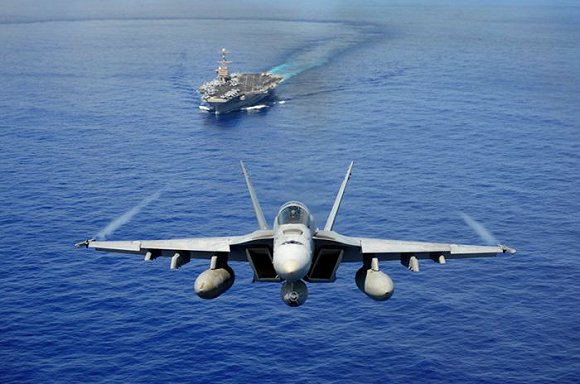
The aircraft has its own problems, notably a short range (perhaps a bit of an exaggeration, as a fighter it has a longer range than the F-4 Phantom) and familiar cost overruns.
However, the U.S. Navy and Marine Corps insist on purchasing Hornet fighters. It became the main carrier-based aircraft of the US military in the 1990s and early this century.
10. F-16 "Fighting Falcon"
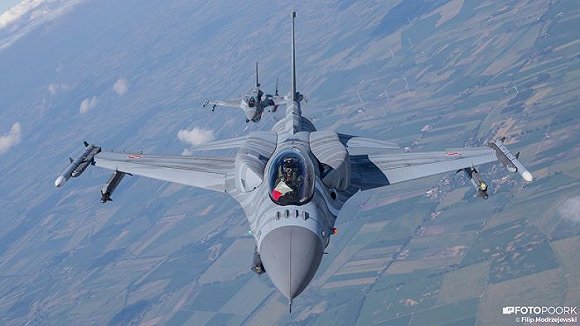
The U.S. Air Force did not initially want the F-16. Its engines would stall mid-flight, forcing the pilot to make an unpowered emergency landing. However, the problem was eventually resolved, and the aircraft served in the U.S. Air Force for a long time. We see it in the movie "Iron Eagle" and for a long time in many other countries.
To sum up, when people want to kill a defense program because of some teething problems, remember that even the most successful fighter aircraft have had these problems.
(Translator: Wang Yinuo Editor: Zhang Xiaotian)