
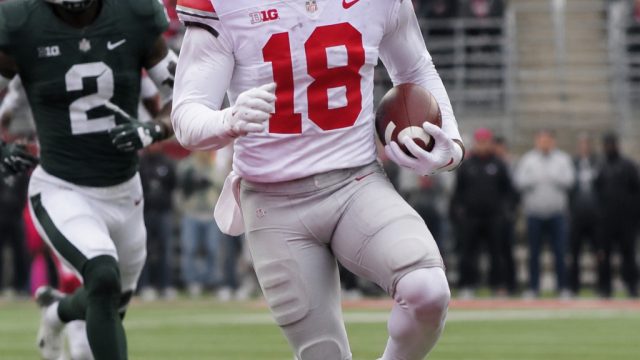
The Ohio State Buckeyes are entering a transformative phase as they prepare for the 2026 football season. Recent movements in the NFL Draft and player transfers from the portal have reshaped their roster significantly. As the team looks to build on previous successes, evaluating the strengths and weaknesses of each position group becomes crucial. This article dissects the current state of Ohio State’s lineup while considering the implications of recent player movements.
Understanding the Impact of the NFL Draft
Every year, college football programs face the daunting challenge of replacing talent lost to the NFL Draft. Ohio State is no exception, having seen several star players depart for professional opportunities this year. Losing key contributors raises questions about how the team will adapt and which areas will require immediate attention.
Key Departures
- Quarterback: The departure of a standout signal-caller puts pressure on the incoming talent.
- Defensive Stars: Losing top players from the defensive unit creates gaps that need filling quickly.
- Offensive Weapons: The exit of pivotal offensive players necessitates a strategic overhaul.
Evaluating Replacements and New Additions
To compensate for these losses, Ohio State has tapped into the transfer portal. This strategy not only helps to fill voids rapidly but also introduces fresh talent capable of making an immediate impact.
Position Group Rankings for 2026
As we look towards the future, ranking Ohio State’s position groups provides insight into where they stand and what challenges lie ahead.
1. Wide Receivers
Ohio State has a rich history of producing elite wide receivers, and the current group continues that legacy. With the addition of several dynamic playmakers from the portal, the wide receiver corps ranks at the top.
- Promising Transfers: New players offer speed and agility, enhancing the team's offensive capabilities.
- Experienced Returnees: Several seasoned veterans will act as mentors to the newcomers.
2. Defensive Line
Despite losing a few stars, the depth of talent on the defensive line offers optimism. The coaching staff has focused on recruiting powerful athletes who can disrupt opposing offenses.
- Fresh Talent: Incoming recruits are versatile and athletic, expected to contribute early.
- Strength in Depth: The rotation of players ensures that the front line remains formidable throughout games.
3. Quarterback Situation
The quarterback position represents one of Ohio State’s most significant uncertainties heading into 2026. With the departure of their primary quarterback, the team will need to identify a suitable replacement swiftly.
- New Recruits: A talented incoming freshman could step into the spotlight.
- Transfer Portal Options: Exploring experienced quarterback transfers might be critical to solidify the position.
4. Linebacker Corps
The linebacker group also demands attention, particularly with adjustments following the NFL draft. Retaining some key players while infusing new talent through transfers will be vital in maintaining defensive strength.
- Balanced Experience: A mix of returning players and new faces promises to keep the unit competitive.
- Focus on Versatility: Linebackers will need to adapt to various schemes and roles based on game situations.
Conclusion: Preparing for the Future
The Ohio State Buckeyes are in a pivotal period as they prepare for the upcoming season. The importance of effective recruitment and development within each position group cannot be overstated. As the team works to navigate the challenges of player losses and the integration of new talent, Ohio State remains focused on its championship aspirations for 2026. By continuing to evaluate and adapt their strategies, the Buckeyes are poised to maintain their status as a powerhouse in college football.
