
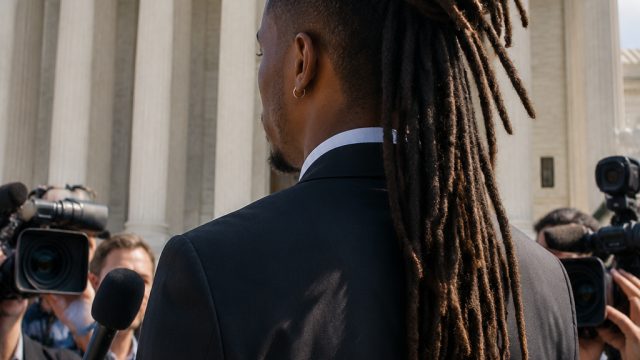
In a significant legal ruling, the Supreme Court has determined that a Rastafarian individual whose dreadlocks were forcibly cut by prison authorities will not be able to pursue a monetary lawsuit against them. This decision has raised eyebrows and ignited discussions about individual rights and the treatment of inmates within the justice system.
The Case Overview
The case at hand involved a Rastafarian man who contended that his religious beliefs were violated when prison guards shaved his dreadlocks without consent. Dreadlocks hold profound cultural and spiritual significance in Rastafarian culture, representing a commitment to natural living and freedom. The Supreme Court's decision has resulted in mixed reactions, highlighting the tension between institutional authority and personal freedom.
Background of the Incident
- The incident occurred while the individual was incarcerated.
- Prison guards justified the action under safety and sanitation regulations.
- The plaintiff argued that this act constituted an infringement of his First Amendment rights.
Legal Implications of the Ruling
The Supreme Court's ruling highlights a troubling precedent regarding the limitations on inmates' rights. By denying the Rastafarian man the opportunity to sue for damages, the court has underscored the challenges faced by individuals attempting to assert their rights within correctional facilities.
Interpreting the Ruling
Legal experts suggest that this ruling may deter other inmates from pursuing similar claims. The decision illustrates how the justice system navigates the complex relationships between institutional security and individual rights. Key takeaways include:
- Potential chilling effect on inmate litigation.
- Constitutional rights may be compromised in correctional settings.
- Ongoing debates regarding religious freedom in prisons.
Public Reaction and Societal Impact
The reaction to the Supreme Court's ruling has been swift and varied. Advocacy groups for civil liberties and religious freedom have expressed disappointment, viewing the decision as a setback for the rights of marginalized communities, particularly in the context of racial and cultural identity. Public discourse has emerged around several critical themes:
Community Voices
Many in the Rastafarian community and beyond have voiced their concerns through social media and public forums, emphasizing the importance of cultural expression. Some points raised include:
- The impact of the decision on the Rastafarian community.
- Calls for legislative changes to protect inmate rights.
- Discussion on the role of cultural identity in legal claims.
The Broader Context of Inmate Rights
This case is part of a larger conversation about inmate rights across the United States. Numerous instances of alleged rights violations have sparked debates on whether current laws adequately protect vulnerable populations within the criminal justice system.
Current Trends in Inmate Rights Advocacy
As advocates push for reforms, several movements have gained traction, focusing on:
- Improving living conditions within prisons.
- Ensuring religious freedoms are respected.
- Encouraging transparency in prison operations.
Conclusion: The Road Ahead
The Supreme Court’s ruling on this dreadlocks case serves as a reminder of the ongoing struggles individuals face in asserting their rights, particularly within the confines of the prison system. As discussions continue, the implications of this decision are likely to resonate far beyond the courtroom, influencing public perception and legislative efforts aimed at safeguarding personal freedoms. Moving forward, the dialogue surrounding inmate rights and cultural identity will remain a critical aspect of legal discussions in the United States.
