
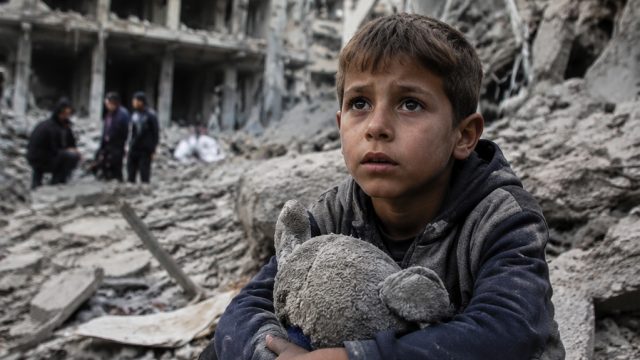
The recent findings from a United Nations report have shaken the global community as it claims that Israel has committed acts amounting to genocide in Gaza, particularly targeting vulnerable populations such as children. This revelation comes amid ongoing tensions and raises urgent questions about accountability and humanitarian responses in conflict zones.
Context of the Conflict
The Israel-Palestine conflict has a long and complex history, with frequent escalations leading to tragic humanitarian situations. The report highlights specific incidents where children were reportedly harmed, amplifying concerns about the protection of civilians in armed conflict.
Why This Report is Significant Now
- Increased Global Scrutiny: With the world becoming more aware of humanitarian issues, this report is likely to drive discussions on international accountability.
- Urgent Need for Humanitarian Aid: The findings emphasize the dire need for aid and support for affected populations, particularly children.
- Political Implications: The report could influence diplomatic relations and international policies regarding the ongoing conflict.
Details of the Allegations
The UN report meticulously documents various incidents, citing evidence that suggests deliberate targeting of children during military operations. Such assertions are not only alarming but also raise ethical considerations regarding warfare and the protection of non-combatants.
Documented Incidents
Among the allegations made in the report are several harrowing examples, including:
- Airstrikes in residential areas where children were present.
- Military operations that have resulted in significant civilian casualties.
- Denial of access to healthcare and essential services for the injured.
The Humanitarian Response and Global Community Reaction
The international community has expressed outrage over the findings, with various humanitarian organizations calling for immediate action to protect children in conflict zones. The report's release has sparked debates on social media and in political arenas worldwide.
Potential Actions Moving Forward
In response to the report, several steps can be taken:
- Advocacy for Ceasefires: Urging both parties to establish ceasefires to protect civilians, especially children.
- Increased Humanitarian Aid: Mobilizing resources and support for organizations working on the ground.
- Encouraging International Dialogue: Promoting discussions and negotiations to address the root causes of the conflict.
Conclusion
The allegations presented in the UN report regarding Israel's military actions raise profound ethical questions and call for immediate global attention. As the situation develops, it is crucial for the international community to respond effectively to prevent further suffering and to uphold the rights of the most vulnerable, particularly children caught in the crossfire of conflict. Stakeholders must act decisively to ensure accountability and promote peace in the region, making the protection of civilian lives paramount.
