
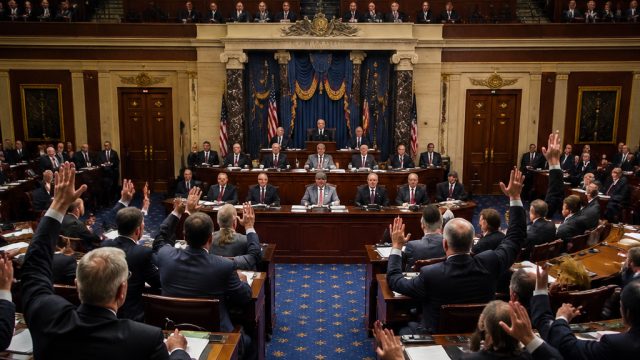
In a significant move for American democracy, the US Senate has recently passed a resolution aimed at curbing the war powers of the presidency. This decision has sparked extensive debate about the balance of power in government and the implications for future military engagements. With rising tensions around the globe, the timing of this vote could not be more critical.
Understanding the Senate's Resolution
The Senate's war powers resolution seeks to limit the President's ability to engage in military conflict without explicit congressional approval. This action is seen as a necessary check on executive power, particularly in light of past administrations' unilateral decisions to initiate military operations.
Key Provisions of the Resolution
- Congressional Oversight: The resolution requires the President to seek congressional authorization before taking military action.
- Defined Military Engagement: It stipulates what constitutes an act of war, ensuring clarity around military operations.
- Emergency Provisions: In cases of immediate threat, the President can act but must inform Congress swiftly.
The Significance of This Vote
This resolution is particularly notable as it reflects a growing sentiment among lawmakers to reclaim the war powers that many feel have been increasingly concentrated in the executive branch. The passage of this resolution signifies a shift towards a more collaborative approach to military decision-making, emphasizing accountability and legislative involvement.
Public Response and Political Reactions
Public opinion on the resolution has been largely supportive, with many citizens expressing concern over unchecked military actions. Lawmakers from both sides of the aisle have weighed in, with some praising the move as a necessary step towards transparency.
Criticism and Challenges Ahead
Despite the support, there are critics who argue that such limitations could hinder rapid response to threats. This raises a vital question about the balance between security and oversight. As the resolution moves forward, debates are expected to intensify, particularly regarding its implementation and any potential pushback from the executive branch.
Implications for Future Military Engagements
The implications of the Senate's decision extend beyond the current political landscape, as they may set a precedent for how future conflicts are managed. Lawmakers and analysts are closely monitoring how this resolution will affect military strategy and foreign policy moving forward.
Global Context of the Vote
With increasing tensions in various parts of the world, including the Middle East and Eastern Europe, the Senate's resolution comes at a pivotal moment. How the US engages with other nations on military matters could be significantly influenced by this decision, affecting international relations and foreign diplomacy.
Conclusion: A New Era of Accountability
In conclusion, the US Senate's passage of the war powers resolution represents a critical juncture in the nation's governance. As the debate continues, citizens and lawmakers alike must remain vigilant in ensuring that the balance of power is maintained. The significance of this vote reaches far beyond the immediate political implications, potentially reshaping the landscape of American military engagement for years to come.
