
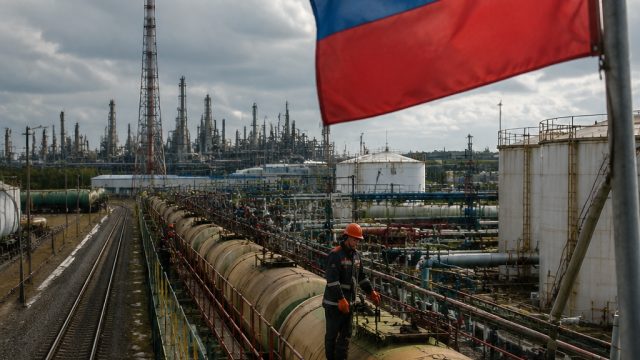
As the conflict between Russia and Ukraine continues to escalate, Russia is now looking at implementing a ban on diesel exports in response to increasing fuel shortages. This potential policy shift reflects not only a pressing domestic need for fuel but also a significant impact on the regional economy and global energy markets. This situation is particularly critical as public life in Crimea faces increasing restrictions due to logistical challenges stemming from the ongoing war.
The Current Fuel Landscape in Russia
Recent reports indicate a troubling trend in Russia's fuel supply, with diesel shortages becoming more pronounced. The government, acknowledging the growing crisis, is contemplating measures to curtail exports to prioritize domestic consumption. This decision appears to be a direct response to both the military operations in Ukraine and various infrastructure challenges that have hindered fuel production and distribution.
Key Factors Driving the Diesel Shortage
- Military Actions: Ongoing military engagements have disrupted supply chains, making it difficult for refineries to operate normally.
- Infrastructure Damage: Strikes on key facilities have led to reduced output, exacerbating the existing shortages.
- Demand Surge: With winter approaching, demand for heating fuel is expected to surge, further straining supply lines.
Impact of Potential Export Ban
If Russia proceeds with the export ban, it could have several immediate consequences:
Domestic Fuel Prices
Limiting diesel exports is likely to stabilize or even increase domestic fuel prices as the government prioritizes local needs. In a nation already grappling with economic sanctions and inflation, this could worsen the financial strain on average citizens.
Regional Implications
The ramifications would extend beyond Russia's borders. Several countries rely on Russian fuel exports; any disruption could lead to price hikes globally and a re-evaluation of energy strategies in Europe and beyond.
Environmental Considerations
Interestingly, the potential ban also invites discussions on environmental policies. As energy needs evolve, the focus on sustainable alternatives could gain momentum, especially if traditional fossil fuel supplies are restricted. This might prompt a shift towards renewable energy sources, which could reshape the market in the long run.
Crisis in Crimea: Public Life and Limitations
In Crimea, public life is being increasingly restricted as authorities navigate the consequences of the fuel crisis. Reports indicate a ramping up of measures that limit movement and accessibility due to fuel shortages. Such restrictions highlight the fragility of everyday life in conflict zones, as citizens grapple not only with the realities of war but with the direct consequences on their livelihoods.
Public Sentiment and Response
Civilians in Crimea express growing frustration as they face curfews and limited access to essential services. Local businesses are struggling to keep operations afloat, and the overall morale among residents is waning. In times of crisis, public sentiment can shift, leading to calls for change and increased support for governmental policies that aim to stabilize the situation.
Looking Ahead: Energy Security and Global Markets
The unfolding situation in Russia raises critical questions about energy security and its implications for global markets. As nations continue to grapple with the aftereffects of the Ukraine conflict, energy independence and resilience will likely become central themes in international discussions.
Future Strategies
- Diversifying Energy Sources: Countries may seek to reduce reliance on Russian oil and gas, leading to investments in alternative energy resources.
- International Partnerships: Collaborations between nations to secure energy needs could become more prevalent, reshaping alliances.
- Technological Innovation: Advances in clean energy technologies may gain momentum as a response to the pressing need for sustainable solutions.
Conclusion
As Russia deliberates on a diesel export ban in light of ongoing fuel shortages, the implications are vast and multifaceted. From affecting local prices to reshaping international energy relations, the decisions made in the coming weeks will likely reverberate across the globe. Keeping an eye on these developments is crucial as they will shape not only Russia's future but the broader dynamics of global energy security.
