
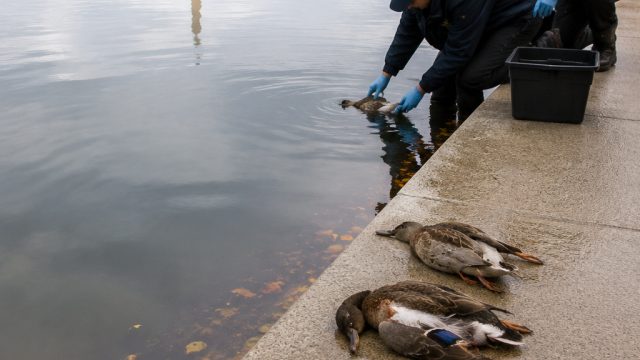
Mystery of Dead Ducks at Trump’s Reflecting Pool Unfolds
In a bizarre turn of events, the recent discovery of several dead ducks in the reflecting pool at the former President Donald Trump’s Mar-a-Lago estate has stirred up both concern and curiosity among wildlife enthusiasts and political observers alike. This occurrence not only highlights the pressing issue of environmental integrity but also draws attention to the ongoing narrative surrounding Trump’s political legacy.
The Incident: What Happened?
Reports began to surface early last week when visitors to Mar-a-Lago noticed the unfortunate sight of lifeless ducks floating in the waters of the reflecting pool. The news quickly made headlines, prompting inquiries from local wildlife officials and environmentalists who are concerned about the implications of such an event.
Immediate Reactions
The immediate response from both the public and authorities was one of shock. Many took to social media platforms to express their outrage and confusion. But beyond the emotional reactions, experts in wildlife and environmental science have begun to analyze the situation for potential causes:
- Pollution: There are concerns that pollutants from nearby sources may have contributed to the deaths.
- Natural Disease: Wildlife diseases can spread rapidly, and this cluster of deaths could point to an outbreak.
- Climate Impact: Changes in weather patterns may affect the pool’s ecosystem.
Why This Matters Now
The incident at Trump’s estate is not merely a local issue; it reflects broader themes of environmental stewardship and the consequences of neglecting natural habitats. As a nation, we are faced with increasing challenges related to wildlife conservation, climate change, and habitat protection. The death of these ducks serves as a stark reminder of the intricate balance within ecosystems.
The Broader Narrative
In the context of Trump’s political saga, this event adds another layer to the ongoing discussion regarding his administration's environmental policies. Many critics have argued that the former president's approach has often sidelined ecological concerns in favor of economic growth. The ducks’ demise could serve as a metaphorical representation of the larger struggles facing our environment today.
Community Response and Action
Local environmental groups have expressed their intention to investigate the incident further. They are mobilizing volunteers to monitor the reflecting pool and surrounding areas for additional wildlife impacts. Actions being proposed include:
- Conducting water quality tests to pinpoint potential contaminants.
- Collaborating with wildlife experts to assess the health of remaining fauna in the area.
- Encouraging community participation in wildlife conservation efforts.
Engagement through Education
Educational programs are being developed to raise awareness about the relationship between local wildlife and their habitats. By informing the public about these issues, groups hope to foster a sense of responsibility towards nature and its preservation.
The Future of Wildlife Around Mar-a-Lago
Looking ahead, it is critical that residents and visitors to the Mar-a-Lago area advocate for the health of the local ecosystem. The fate of the wildlife here serves as an indicator of the overall health of the environment. As the investigation continues, it will be crucial to monitor any emerging developments surrounding this incident.
Conclusion
The discovery of dead ducks in Trump’s reflecting pool is a poignant reminder that the blending of politics and nature can often lead to unforeseen consequences. As discussions around environmental responsibility heat up, this incident challenges us to reconsider our collective approach toward wildlife conservation and ecological integrity. The community's response and ongoing dialogue will be vital in addressing these issues moving forward.
