
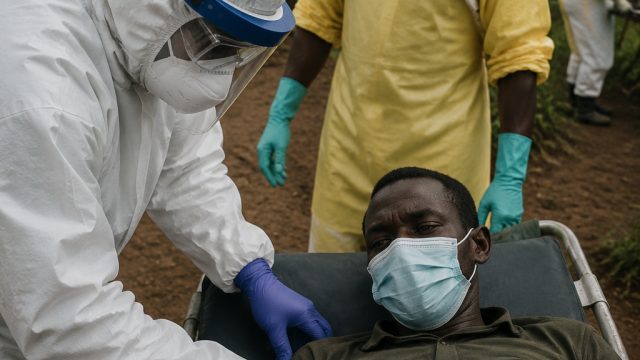
As the Democratic Republic of the Congo (DRC) grapples with an alarming spike in Ebola cases, health experts and organizations like UNICEF are sounding the alarm over the potential devastation to vulnerable populations, particularly children and adolescents. With confirmed cases exceeding 1,000 and counting, the urgency for intervention has never been greater.
The Current Situation: A Rapidly Escalating Crisis
The current outbreak represents one of the most severe waves of Ebola recorded in the DRC, with figures from the World Health Organization (WHO) indicating that this outbreak has reached the highest first-month total on record. As of now, almost 3 million children are facing heightened risks due to the virus's spread and the associated disruption to health services and nutrition. The DRC's eastern provinces, which have faced ongoing conflicts and instability, are particularly hard-hit, exacerbating the crisis.
Why Are Children at Increased Risk?
Children are disproportionately affected by health crises for various reasons, including:
- Malnutrition: Ongoing instability has led to food shortages, making children more susceptible to severe illness.
- Limited Access to Healthcare: Many health facilities have been overwhelmed or are closed due to the outbreak, limiting children's access to essential medical care.
- Psychosocial Stress: The emotional toll of living in a region plagued by disease and conflict can have lasting effects on children's mental health.
The Role of UNICEF and Other Organizations
UNICEF is mobilizing resources to provide support and mitigate the impact of the outbreak on children. Their efforts include:
- Vaccination Campaigns: Initiatives are underway to inoculate frontline workers and vulnerable communities to curb the spread of the virus.
- Education and Awareness: Public health campaigns are being launched to inform communities about the importance of hygiene and recognizing symptoms early.
- Nutrition Support: Programs aimed at providing nutritional support to children suffering from malnutrition are crucial during this crisis.
The Importance of Community Engagement
Community involvement is critical in combating the spread of Ebola. Engaging local leaders and fostering trust within communities can greatly enhance the effectiveness of health interventions. By empowering local populations with knowledge and resources, organizations can help them take ownership of their health and safety.
Global Implications of the Outbreak
This outbreak does not only concern the DRC but has far-reaching effects on regional and global health security. Rapid response from the international community is required to contain the virus and prevent further spread. The interconnectedness of today's world means that a health crisis in one region can quickly escalate and affect others.
What Can Be Done?
Immediate actions that can be taken include:
- Increased Funding: Allocating more resources to outbreak response efforts is critical to ensure that health systems can manage the crisis effectively.
- International Collaboration: Countries must work together to share data, research, and resources to combat the outbreak.
- Public Awareness Campaigns: Raising awareness about Ebola and how to prevent its spread can equip communities with the tools they need to protect themselves.
Conclusion: A Call to Action
The rising number of Ebola cases in the DRC is a pressing issue that demands urgent attention. The potential impact on children, who are already facing numerous challenges, cannot be overstated. It is imperative for governments, NGOs, and the global community to unite in their efforts to control this outbreak, safeguard the health of millions of children, and lay the groundwork for a healthier future. Time is of the essence, and decisive action is needed to turn the tide against this deadly disease.
