
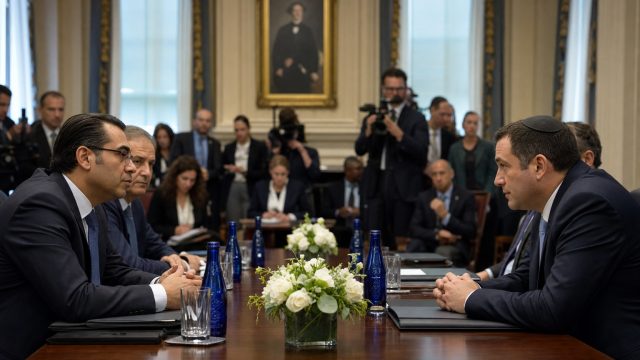
As regional tensions continue to escalate, the resumption of talks between Lebanon and Israel in Washington marks a significant step towards potential peace and stability in the Middle East. This dialogue, occurring against the backdrop of rising geopolitical challenges, holds critical implications for both nations and the broader region.
The Context of the Current Talks
The ongoing negotiations are a continuation of efforts to address long-standing disputes and security concerns between Lebanon and Israel. These discussions are crucial not only for the two countries involved but also for the international community, which has a vested interest in the stability of the region.
Historical Background
Lebanon and Israel have a complex history marked by conflict and intermittent peace efforts. The last major clash was the 2006 war, after which sporadic tensions have persisted along the border. For both parties, reaching a sustainable agreement is vital to foster a stable environment that can encourage economic development and reduce the potential for conflict.
Key Issues on the Agenda
The current round of negotiations addresses several pressing issues that have historically hindered progress:
- Border Disputes: The delineation of maritime borders is a contentious topic, particularly regarding natural resource exploration.
- Security Guarantees: Both nations seek assurances that their national security interests will be preserved through any agreements.
- Refugee Rights: The situation of Palestinian refugees remains a critical humanitarian issue that needs addressing.
Recent Developments and Reactions
The resumption of talks in Washington has garnered mixed reactions from various stakeholders. While some view this as a hopeful sign towards peace, others remain skeptical, citing previous failed negotiations. Here’s how different groups are responding:
Government Officials' Perspectives
Officials from both sides have expressed cautious optimism. The Lebanese delegation aims to ensure that national interests are prioritized, while Israeli representatives are looking for strategic outcomes that enhance their security.
Public Sentiment
Public opinion in both Lebanon and Israel reflects a complex mix of hope and skepticism. Many citizens desire peace yet harbor fears about the sincerity of negotiations, given the historical context. Grassroots movements advocating for peace are gathering momentum, emphasizing the need for dialogue.
The Role of External Influences
International actors play a crucial role in these negotiations. The United States, as a major facilitator of the talks, is keen on establishing a stable Middle East. Additionally, regional powers such as Iran and Saudi Arabia closely monitor the developments, as they have vested interests in the outcome of the negotiations.
U.S. Involvement
The American administration's involvement has been pivotal in keeping the dialogue going. Their support aims to bridge gaps between the two parties, focusing on fostering a collaborative spirit.
Regional Reactions
Other nations in the Middle East are also watching the talks closely. A successful negotiation could set a precedent for other Arab-Israeli relations, potentially leading to broader regional stability.
What’s Next?
As the discussions unfold, the world is keenly observing the implications of the outcomes. The stakes are high, with the potential for significant shifts in political alliances and security arrangements in the region.
Continued Monitoring Required
Media coverage and public interest in the Lebanon-Israel negotiations should remain high, especially as new developments arise. Continuous dialogues are essential not just for peace but for building trust among communities that have long suffered from conflict.
Conclusion
As Lebanon and Israel resume talks in Washington, the international focus is on the potential for breakthroughs that could transform the landscape of Middle Eastern relations. With various issues on the agenda and significant external influences at play, the outcome remains uncertain. However, the commitment to dialogue is a hopeful step towards resolving long-standing disputes and achieving lasting peace.
