
The 2016 Rio Olympics have officially begun.

Althoughthe focus of this global sports event is still the athletes competing on the field, in order to allow them to compete better and for people around the world to better understand and watch the game, all parties off the field have also made a lot of efforts.
Among them, technology companies are naturally indispensable.
Samsung
As the world's largest smartphone manufacturer, Samsung will not miss an excellent promotional opportunity like the Rio Olympics; its role in the Olympics is that of a global partner.
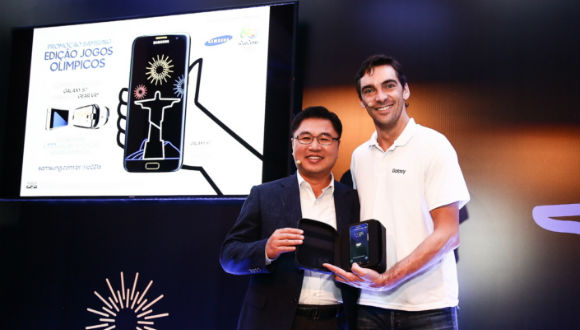
To this end, Samsung held a special media conference in Brazil; at the meeting, Samsung announced that it would launch an Olympic limited edition Galaxy S7 edge mobile phone.
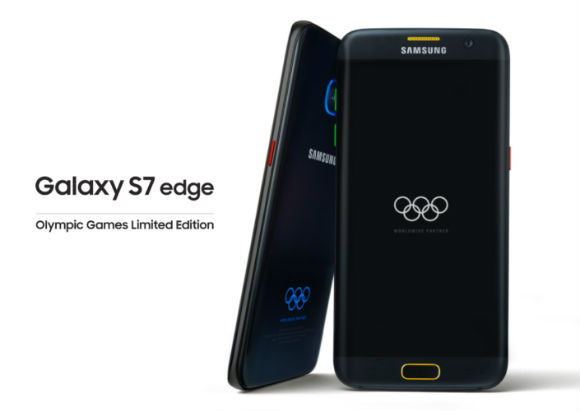
In addition to the characteristics of the S7 edge itself, this Olympic special edition mobile phone adds many Olympic elements to its appearance, such as the borders of the fuselage and the Olympic five-ring pattern on the back; at the system level, Olympic themes are added.
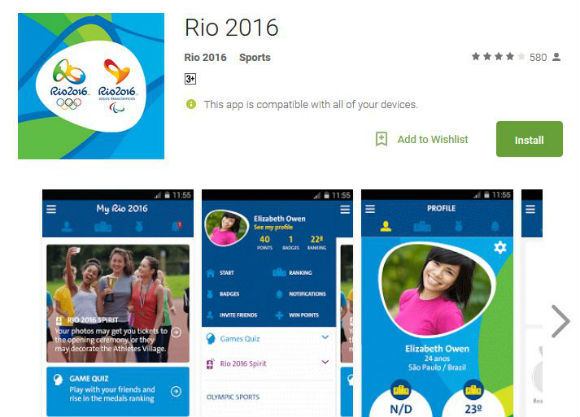
In addition, this phone also has a built-in app called Rio 2016, which can provide users with uninterrupted Olympic information, which is very considerate.
This limited Olympic version of the S7 edge mobile phone has been launched and is only available in Brazil, the United States, China, Germany, South Korea and other countries.
Samsung also announced:
To make athletes’ stay in Rio more enjoyable and to make communication with family and friends more convenient, Samsung will provide 12,500 S7 edge Olympic limited edition mobile phones and Gear IconX wireless headphones to all athletes participating in the 2016 Rio Olympics.
Given Samsung's size, giving away these mobile phones is nothing, but it is indeed an excellent promotional tool.
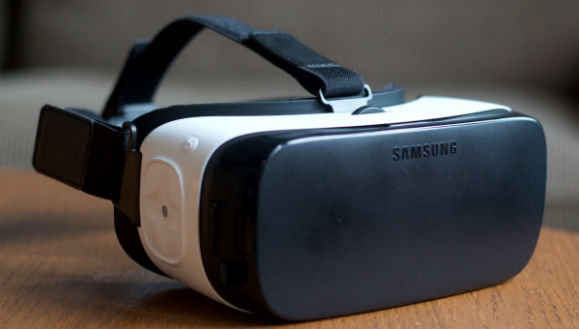
In addition, in order to promote the development of its own Gear VR equipment, Samsung also obtained the exclusive virtual reality license for the Rio OlympicsBroadcasting rights to provide sports fans with approximately 80 hours of live VR event video services. To this end, Samsung has also established 13 Galaxy studios in Brazil.
Although there is no direct partnership with the Rio Olympics, Google still participates in it in its own way as much as possible.
First of all, the Google search engine has been specially optimized for the Rio Olympics. Just enter related keywords in the search box to get a clear overview of the Olympics. In addition, you can see real-time updates of some major projects by searching in the Google app for Android and iOS.
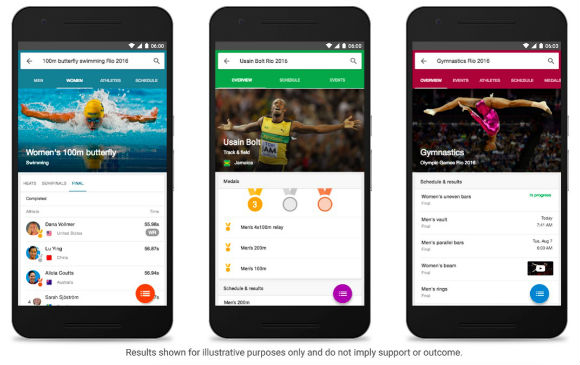
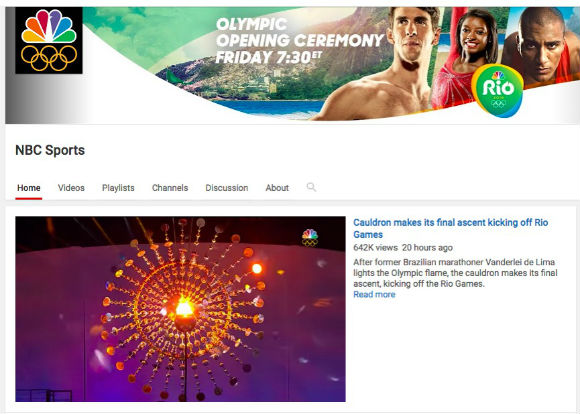
Second, Google makes the most of YouTube. Users can watch official webcasts from more than 60 countries on YouTube; YouTube has also followed the trend and sent 15 live broadcasters to Rio de Janeiro to provide live broadcasts.
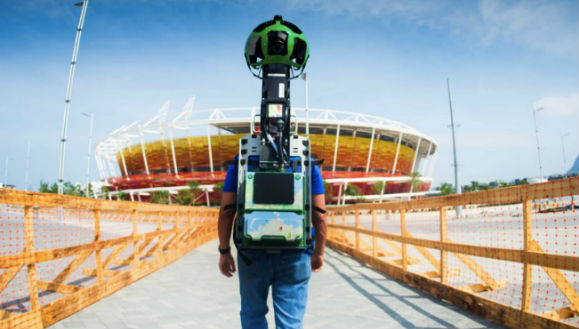
In addition, Google Maps’ Street View feature will also play an important role. Google sent a team of personnel to capture 360-degree panoramic street views of Olympic-related areas and marked them on Google Maps. In this way, even if you can't be there in person, you can still feel the atmosphere of the Olympic Games in this way.
Apple
On the occasion of the Rio Olympics, Apple released a video called "The Human Family" on its official website.
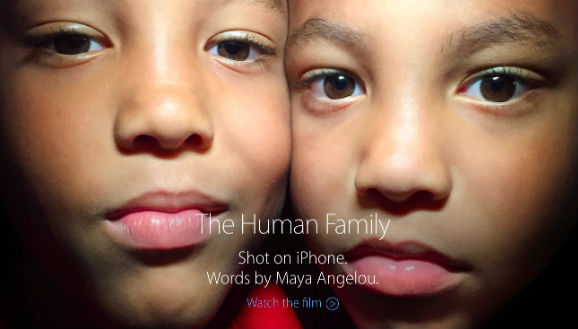
In the video, photos of people from different regions, different nationalities and different customs appear one after another., symbolizing the human family that calls the earth home, these photos were all taken with an iPhone.
Poems written by the late American poet Maya Angelou are used as background commentary in the video. The meaning of this poem is deeply in line with the theme of the Olympic Games and has a strong appeal.
I have discovered obvious differences in all things, but my friends, we are more alike than we are different.
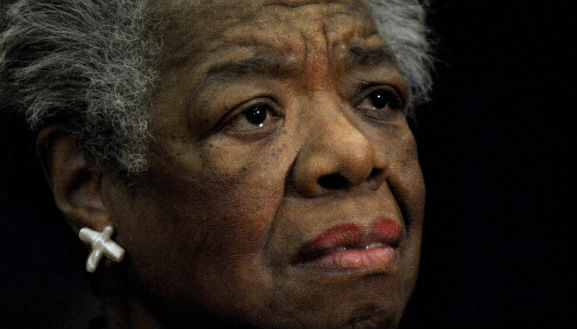
In addition, Apple has also set up a special section for Olympic applications in the App Store. These applications are all created by the International Olympic Committee and its authorized developers, including the iOS version of the "Rio 2016" app built into the Samsung Olympic limited edition S7 edge.
However, according to feedback in the comment area, the Chinese experience of these applications is not very good.
Microsoft
As one of the world's largest cloud service providers, Microsoft is mainly engaged in behind-the-scenes work during the Rio Olympics.
Since the US NBC TV station will conduct video broadcasts of the Olympic Games, Microsoft's Azure Media Services will undertake the task of data transmission; all video data will be transmitted from Rio to the NBC Sports Group headquarters in California on the west coast of the United States.
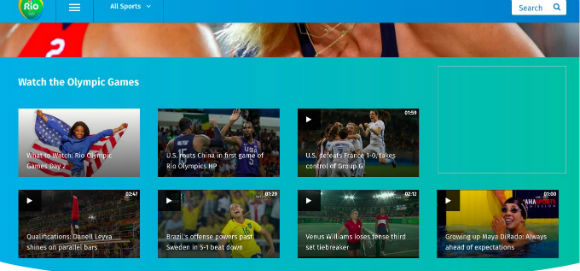
According to Sudheer Sirivara, general manager of Azure Media Services:
Rio's time zone is only one hour behind the eastern United States, so the demand for live broadcasts will be much greater than the previous Sochi Winter Olympics.
One million people are expected to watch the NBC broadcast simultaneously.
In addition, the Summer Olympics have approximately three times as many events as the Winter Olympics and are expected to generate 4,500 hours of content; coupled with the increase in video resolution from 720p at the Sochi Winter Olympics to 1080p, the overall data transmission task undertaken by Microsoft Azure is quite heavy.

To this end, Microsoft's data centers in Virginia on the East Coast and California on the West Coast will operate simultaneously, with more than 20,000 cores and several petabytes of storage in use.
Cisco
As an official sponsor of the Olympic GamesCisco is mainly responsible for the network construction work of the Rio Olympics.
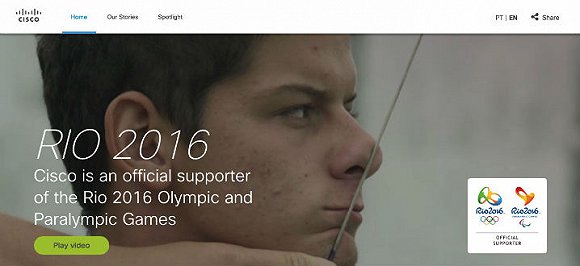
In order to ensure smooth network connectivity for the Olympic Games, Cisco installed more than 60 tons of equipment across Brazil; this included all network infrastructure, services and support for 37 competition venues and an additional 183 non-competition venues (such as athlete dormitories, etc.).
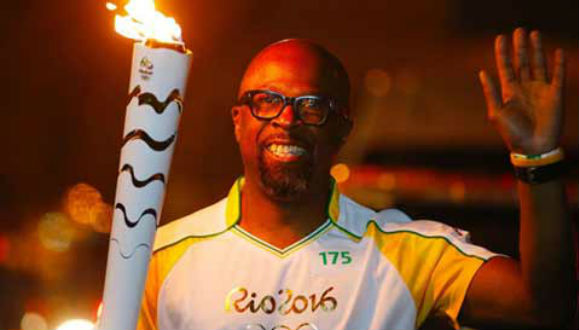
Cisco has launched a page on its official website for the Rio Olympics, detailing Cisco's work for the Olympics. One of the articles reported that four employees from Cisco were "lucky" to participate in the local Olympic torch relay in Brazil.
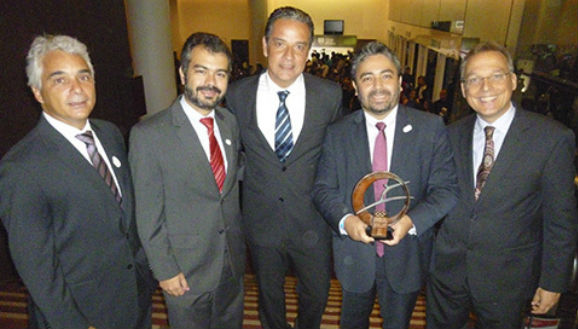
In addition, due to its outstanding performance in this Olympic Games, Cisco also became the first IT company to win the International Olympic Committee trophy.
Other
In addition to the above-mentioned giant technology giants, there are many related technology companies that are also more or less involved in the Rio Olympics.
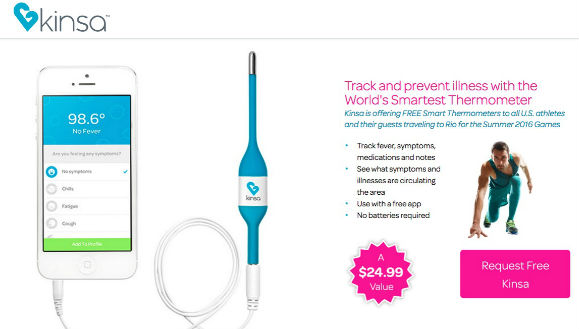
In order to track and prevent the "Zika" virus, Kinsa, a company specializing in manufacturing smart thermometers, developed an app to help monitor the body temperature data of some athletes.
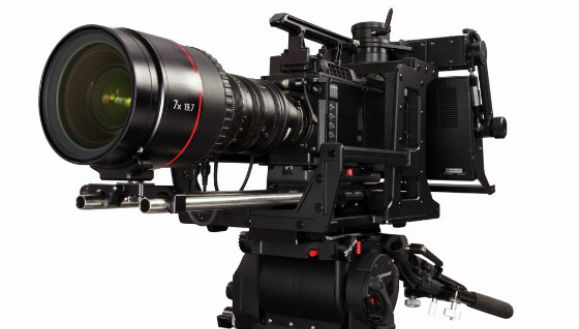
In addition, Ai Faner also reported that the Rio Olympics will use 4K or even 8K (7680 x 4320p) ultra-high-definition video live broadcast.
The 8K video display supplier for this Olympics, BOE, has also built a complete 8K video live experience system at the Museum of Tomorrow in Brazil.
The Olympic Games has developed to this day and is no longer just a sports event; it has become a platform for major technology companies to showcase themselves. Whether it’s an Olympic partner like Samsung or GooSpontaneous participants like gle make us realize:
Technology has never been as present in the Olympics as it is today.
However, technology provides not only technical support to the Olympics, but also a spiritual supplement.
When athletes continue to inherit and carry forward the Olympic spirit of "mutual understanding, friendship, unity and fair competition" in the Olympic arena, technology also allows this spirit to be transmitted more, faster and wider in human society.
This should be another manifestation of "people-oriented technology".
