
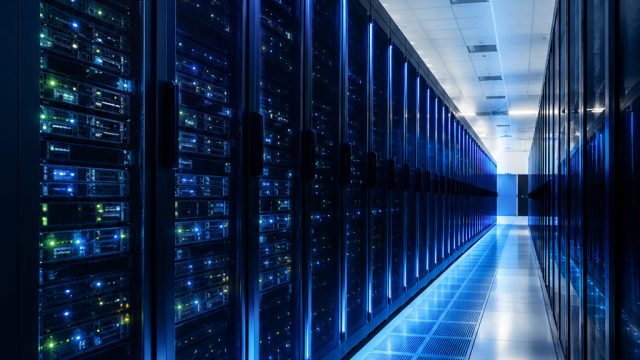
In a remarkable turn of events that marks a significant shift in the global technological landscape, China has reclaimed its position as the owner of the fastest supercomputer in the world, surpassing the United States for the first time since 2017. This development raises important questions about the future of supercomputing and its implications for global technological dominance. As competition heats up, understanding the factors behind this shift is essential for industry professionals and technology enthusiasts alike.
The Rise of China's Supercomputers
Recently unveiled, the new supercomputer, known as the Tianhe-3, boasts unprecedented processing power, cementing China's reputation as a leader in high-performance computing. This leap in technological capability showcases the country’s commitment to advancing its scientific research and technological innovation.
Understanding the Tianhe-3's Capabilities
- Processing Power: The Tianhe-3 can perform quintillions of calculations per second, enabling it to tackle the most complex computational tasks, from climate modeling to advanced AI simulations.
- Energy Efficiency: Built with cutting-edge technology, this supercomputer is designed not only for speed but also for energy efficiency, setting a new standard for sustainable computing.
- Global Collaboration: The Tianhe-3 is expected to foster international collaboration, as its capabilities can be utilized in various fields, including healthcare, aerospace, and environmental science.
Why This Shift Matters Now
The timing of this technological shift is pivotal. As countries worldwide invest heavily in AI, research, and high-performance computing, the ability to process and analyze massive datasets becomes increasingly critical. The United States, historically a leader in supercomputing, now faces the challenge of adapting to this new landscape.
Implications for Global Technology Competition
This development has several far-reaching implications:
- Strategic Advantage: With the fastest supercomputer, China gains a strategic advantage in areas like national security, economic research, and technological innovation.
- Investment Opportunities: The rise of Chinese supercomputers creates new avenues for investment in technology sectors, particularly for companies involved in AI and machine learning.
- Threat of Technological Stagnation: The US must respond to this challenge to maintain its competitive edge, or risk falling behind in critical tech developments.
The Role of Supercomputers in Modern Research
Supercomputers like the Tianhe-3 play a vital role in various research domains. They are essential for simulating complex systems, analyzing large datasets, and facilitating breakthroughs in science and technology. As more industries recognize their value, the demand for high-performance computing is set to grow exponentially.
Key Areas Benefiting from Supercomputing
- Healthcare: Accelerating drug discovery and personalized medicine through advanced simulations and data analysis.
- Climate Science: Enhancing climate modeling to address environmental challenges more effectively.
- Aerospace: Improving design and testing processes to innovate future aircraft and space exploration technologies.
Conclusion
The recent ascension of China's supercomputer heralds a new era in the world of high-performance computing. As the global technological landscape continues to evolve, understanding these shifts is crucial for professionals and policymakers alike. The competition is intensifying, emphasizing the need for innovation and investment in technology to ensure a nation's competitive edge. As we move forward, it will be fascinating to observe how this rivalry shapes the future of technology and research on a global scale.
