
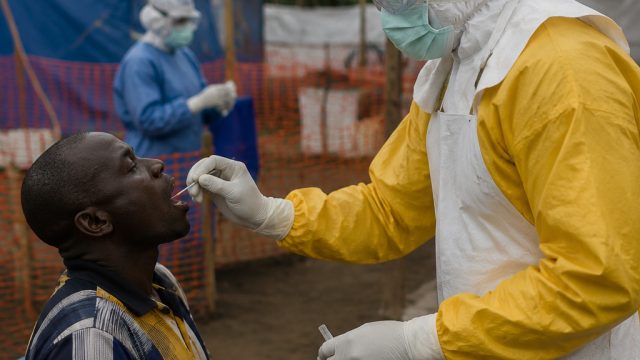
The Democratic Republic of Congo is grappling with an alarming escalation in Ebola cases, with the World Health Organization (WHO) reporting that the first month of this outbreak has recorded the highest number of cases ever documented. As the infection count surpasses 1,000, health authorities are racing against time to implement containment measures and protect vulnerable populations.
Understanding the Current Situation
As of this week, data from the WHO indicates that the DRC has confirmed over 1,000 cases of Ebola since the outbreak began. This rapid increase not only represents a troubling trend but also poses significant risks to public health, especially for frontline workers who are essential to the response efforts.
Historical Context and Recent Developments
This outbreak marks a significant milestone in the history of Ebola outbreaks in the region. Previous outbreaks, though devastating, did not reach such high case totals in their initial month:
- Previous Records: Outbreaks in prior years saw lower initial case counts, making the current figures particularly concerning.
- Response Efforts: Health officials are deploying vaccines, conducting extensive tracing, and enhancing testing initiatives to curtail further spread.
Impact on Vulnerable Populations
The rapid spread of Ebola comes with dire implications for the millions of people living in affected areas. UNICEF has raised alarms about the potential risks faced by children, who are particularly susceptible during health crises:
- Healthcare Access: Many communities lack access to essential healthcare services, exacerbating the outbreak's potential impact.
- Child Safety: With schools closing and health resources stretched thin, children are at increased risk of neglect and disease.
The Role of Community Engagement
Local leaders and community members play a crucial role in the fight against Ebola. Engaging communities can help:
- Promote health education about the virus.
- Encourage vaccination uptake.
- Facilitate the reporting of suspected cases to health authorities.
The Global Response and Future Outlook
In light of the escalating situation, the international community is being called upon to provide support. This could include:
- Increased funding for healthcare initiatives in the DRC.
- Supply of vaccines and medical supplies to aid local efforts.
- Collaboration on research to improve outbreak response strategies.
Why Immediate Action is Crucial
As the DRC continues to face this unprecedented outbreak, the need for swift and coordinated action cannot be overstated. Experts warn that failure to contain the virus could lead to:
- A wider spread beyond the current hotspots.
- Increased mortality rates among those infected.
- Long-term public health crises if not addressed promptly.
Conclusion: A Call to Action
As we witness the highest first-month total of Ebola cases in DRC history, it is imperative that both local and global communities mobilize to respond effectively. The ongoing health crisis demands not just immediate attention but also sustained efforts to ensure that the outbreak does not spiral beyond control. Regular updates and transparency in communication are essential to maintain public trust and encourage community participation in health initiatives. The fight against Ebola is far from over, and with each passing day, timely action is critical for safeguarding lives.
