
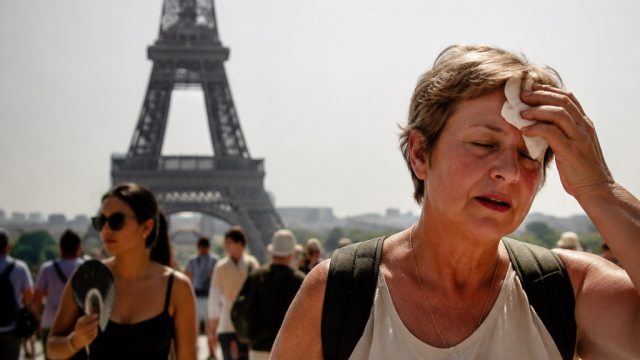
As countries across Europe grapple with an unprecedented heat wave, the rising temperatures are not just a matter of discomfort; they pose a significant health risk, particularly for the vulnerable populations. With temperature records shattering daily, officials are urging citizens to take immediate precautions.
Understanding the Severity of the Situation
The current heat wave, which has seen temperatures soar above 40 degrees Celsius in several regions, has been attributed to a combination of climate change and unusual weather patterns. This extreme weather event is not isolated; rather, it reflects a growing trend of severe heat events that are becoming more common across the globe.
Health Risks Associated with Extreme Heat
- Heat exhaustion: Prolonged exposure can lead to dehydration and sickness.
- Heat stroke: A life-threatening condition requiring immediate medical attention.
- Complications for chronic illness patients: Individuals with pre-existing health conditions are particularly vulnerable.
Precautionary Measures to Protect Yourself
In light of the escalating temperatures, health experts are emphasizing the importance of staying cool and hydrated. Here are several strategies to mitigate health risks during this intense heat:
Stay Hydrated
Water intake is crucial. It is recommended to drink plenty of fluids, especially water, to remain hydrated. Avoid excessive caffeine and alcohol as they can contribute to dehydration.
Avoid Direct Sunlight
Limit outdoor activities during peak sun hours (typically between 10 AM and 4 PM). If you must go outside, wear light clothing and a wide-brimmed hat to shield yourself from the sun.
Find Cool Environments
Seek air-conditioned spaces whenever possible. If you don't have access to air conditioning, consider visiting local cooling centers, libraries, or community centers.
Government and Community Response
Governments across Europe are taking steps to address the heat wave’s impact on public health. Emergency services are on high alert, and information campaigns are underway to educate citizens about the risks associated with extreme heat.
Action Plans and Resources
- Emergency hotlines for heat-related health issues.
- Distribution of water bottles and cooling kits in vulnerable communities.
- Increased availability of public cooling centers.
What This Means for the Future
The current heat wave highlights the urgent need for comprehensive climate action. As global temperatures continue to rise, it is imperative that countries invest in infrastructure and resources to protect public health during extreme weather events. This includes enhancing early warning systems and creating urban spaces that can mitigate heat effects.
Community Engagement and Responsibility
Engaging local communities in discussions about climate resilience is crucial. The more aware citizens are of how to respond to heat waves and other climate-related events, the better prepared they will be. Community initiatives aimed at fostering resilience can make a significant difference.
Conclusion
The ongoing heat wave across Europe serves as a stark reminder of the challenges posed by climate change. By staying informed and taking necessary precautions, individuals can protect their health and well-being during these extreme temperatures. It is a collective responsibility to not only safeguard ourselves but also to advocate for sustainable practices that will benefit future generations.
