
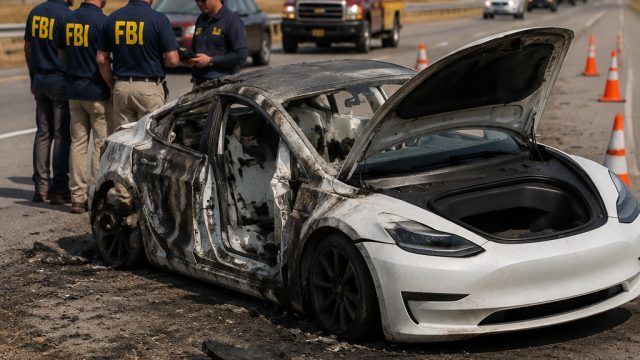
Federal Investigation Launched After Fatal Tesla Crash in Texas
In a tragic incident that has drawn significant media attention, a Tesla vehicle crashed into a home in Katy, Texas, resulting in the death of a 76-year-old woman. This unfortunate event has prompted the National Highway Traffic Safety Administration (NHTSA) to initiate a federal investigation, raising crucial questions about the safety and reliability of autonomous driving technology.
The Incident: What Happened?
On a quiet afternoon, local authorities reported that a Tesla Model 3 reportedly being operated on autopilot lost control and collided with the home of an unsuspecting resident. The impact was devastating, leading to the death of the elderly woman inside. This has ignited concerns not only regarding the vehicle's autopilot feature but also about the overall safety regulations that govern the use of such technologies on public roads.
Context of Autopilot Features
- Tesla's autopilot system is advertised as a semi-autonomous driving aid.
- Users are required to remain attentive and ready to take control at any moment.
- Previous incidents involving Tesla vehicles have sparked debates about the effectiveness and safety of these systems.
Implications of the Investigation
The NHTSA's decision to launch an investigation is significant for several reasons. Firstly, it highlights the increased scrutiny of automated vehicle technology in light of recent accidents involving Teslas. As these incidents continue to rise, regulators are under pressure to ensure that safety measures are robust enough to protect the public.
Potential Outcomes of the Inquiry
- The investigation may lead to stricter regulations on the use of autopilot features.
- It could result in penalties or mandates for Tesla to alter their vehicle technologies.
- The findings might affect consumer confidence in self-driving technology.
The Broader Debate on Autonomous Vehicles
This incident is part of a larger conversation regarding the future of autonomous vehicles. Proponents argue that self-driving technologies can significantly reduce accidents caused by human error, while critics raise concerns about their safety and reliability. Public trust in these technologies is crucial, especially as manufacturers push for wider adoption.
Public Sentiment on Autonomous Driving
- Many consumers are excited about the potential for reduced traffic accidents.
- Concerns remain about the limitations of current technology.
- High-profile accidents, like the recent Tesla crash, tend to cast a shadow over public perception.
What Comes Next?
As investigations proceed, Tesla will likely face a critical juncture in its history as a leader in the electric vehicle market. The outcome could set significant precedents for how autonomous technologies are governed in the future. For consumers and industry stakeholders alike, understanding the results of this inquiry will be essential to navigating the evolving landscape of automotive innovation.
Conclusion
The tragic crash involving a Tesla vehicle underscores the urgent need for expanded discussions about the safety of self-driving cars. As federal investigators dive deeper into the circumstances surrounding the incident, the findings will not only affect Tesla but also reshape the regulatory framework for the entire automotive industry. The focus now shifts to ensuring that technological advancements do not compromise human safety on the roads.
