
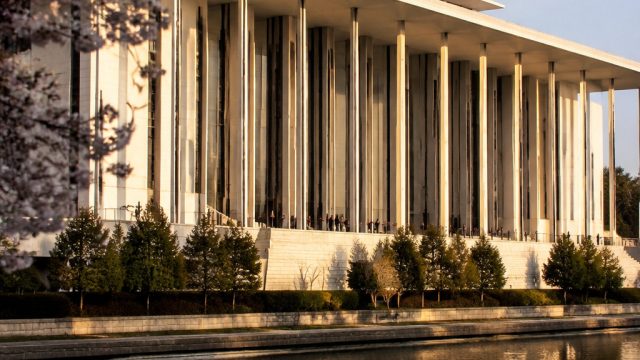
The Kennedy Center for the Performing Arts has recently revealed that Donald Trump's name has been removed from its prestigious facade. This significant change has sparked a wave of discussions and debates across social media platforms and news outlets. The unveiling comes amid ongoing controversies surrounding Trump's presidency and his legacy, raising questions about the implications of such a public act.
Significance of the Removal
The removal of Trump's name is not just a matter of aesthetics; it represents a broader narrative about the shifting perceptions of leadership and public figures in America. The Kennedy Center, known for honoring artistic excellence and cultural contributions, has taken a step that many see as a reflection of changing societal values.
Public Reaction and Commentary
In the days following the unveiling, public opinion has been divided. Supporters of the removal argue that it reflects a necessary distancing from Trump's controversial actions and statements, while critics view it as an affront to his supporters and a misrepresentation of history.
- Supporters' Viewpoint: Many believe that the removal is a statement against Trump's divisive politics, emphasizing that art and culture should stand apart from controversy.
- Opponents' Perspective: Some argue that the name removal is politically motivated and undermines the contributions he made during his tenure.
What Led to the Change?
The decision to remove Trump's name was reportedly influenced by public sentiment and ongoing discussions about the appropriateness of honoring controversial figures in public spaces. In recent months, there has been an increase in calls for a reassessment of how historical legacies are recognized.
Contextualizing Trump's Legacy
Trump's time in office was marked by significant polarization in American society. His policies and rhetoric often ignited fervent debates, leading to a reevaluation of how his legacy is perceived. The Kennedy Center's decision can be seen as part of this larger trend where institutions are reconsidering which figures they honor.
The Future of Public Monuments and Recognition
The removal of Trump's name from the Kennedy Center raises important questions about the future of public monuments and the criteria for honoring individuals. As society evolves, so too do its standards for recognition, prompting a reevaluation of what legacy means in today's context.
Trends in Public Recognition
Across the nation, there is a growing trend of reassessing public monuments that are linked to controversial figures. This includes:
- Removing statues or names associated with historical injustices.
- Revisiting naming rights for public spaces that honor divisive political figures.
- Implementing policies to ensure that public recognition aligns with contemporary values.
Conclusion: A Reflection of Changing Times
The removal of Trump's name from the Kennedy Center is more than a cosmetic change; it is a reflection of the evolving discourse around leadership, legacy, and public memory. As society grapples with its history and its heroes, institutions like the Kennedy Center are at the forefront of these discussions, signaling a potential shift in how we honor those who have shaped our cultural landscape.
As reactions continue to unfold, it remains to be seen how this decision will impact public sentiment and future policies regarding recognition in public spaces. The Kennedy Center's action could serve as a blueprint for other institutions navigating similar challenges in today's complex social landscape.
