
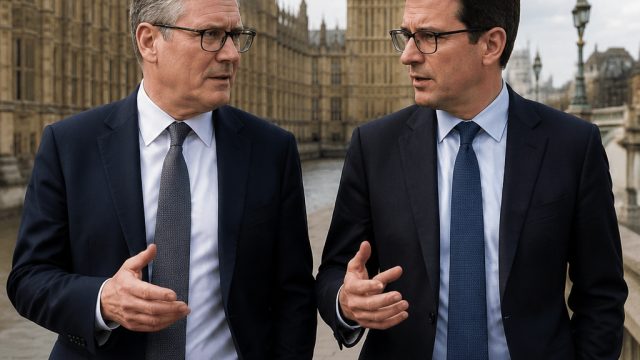
In a pivotal moment for the United Kingdom’s political landscape, Labour leader Keir Starmer recently engaged in discussions with Greater Manchester Mayor Andy Burnham. This meeting underscores the urgency for an orderly transition of power as the nation grapples with its complex political environment in the wake of ongoing challenges.
The Context of the Discussions
With the backdrop of a turbulent decade marked by Brexit, economic instability, and shifting public opinion, Starmer is actively seeking to establish a cohesive strategy for Labour's future governance. The dialogue with Burnham is seen as critical, especially as the Labour Party aims to fortify its position ahead of the anticipated general elections.
Why This Matters Now
The significance of these talks cannot be overstated. They come at a time when the UK is experiencing a unique set of challenges: rising inflation, public discontent with political leadership, and a pressing need for strategic reforms. Starmer's leadership is under scrutiny as he works to unify the party and present a clear alternative to the current government.
Key Topics of Discussion
During their meeting, Starmer and Burnham explored several pressing issues:
- Policy Alignment: Ensuring that Labour’s policies resonate with the needs of the public.
- Voter Engagement: Strategies to effectively reach and engage voters disillusioned by past leadership failures.
- Future Coalitions: The potential for alliances with other political entities to enhance Labour's chances in an election.
Impact on Local Governance
Burnham's role as the Mayor of Greater Manchester also plays a crucial part in shaping Labour's regional strategy. His insights into local governance challenges can inform the national agenda, particularly concerning public sector reforms and community engagement.
Public Reaction and Media Coverage
The media’s portrayal of this meeting has been largely focused on the potential implications for Labour’s political trajectory. Commentary from political analysts highlights a mixed reaction from the public, illustrating both hope for a renewed Labour Party and skepticism regarding its ability to deliver meaningful change.
A Snapshot of Public Sentiment
Surveys conducted in recent weeks show:
- Approximately 60% of respondents express a desire for change in leadership.
- Many voters remain divided on Starmer's vision for the party, with a significant number questioning his decisiveness.
- Burnham’s popularity in the north of England could provide a much-needed boost for Labour if leveraged correctly.
The Road Ahead for Labour
As Starmer and Burnham continue their discussions, the focus will undoubtedly shift to how Labour can effectively present itself as a viable alternative to the current government. The party’s ability to articulate a clear vision and connect with voters will be paramount in the upcoming electoral race.
Strategies for Success
To solidify its position, Labour must consider the following strategies:
- Transparent Communication: Clearly articulate policies and visions to the public.
- Community Outreach: Engage with local communities to build trust and gather feedback.
- Leveraging Digital Platforms: Utilize social media and other digital tools to reach a broader audience.
Conclusion
The talks between Starmer and Burnham represent a crucial step toward an organized political transition in the UK. With a decade defined by upheaval, the Labour Party faces enormous pressure to not only unify but also to present a cohesive and appealing vision for the future. As the political landscape evolves, the outcomes of these discussions could have profound implications for the nation’s governance and the electorate's faith in democratic processes.
