
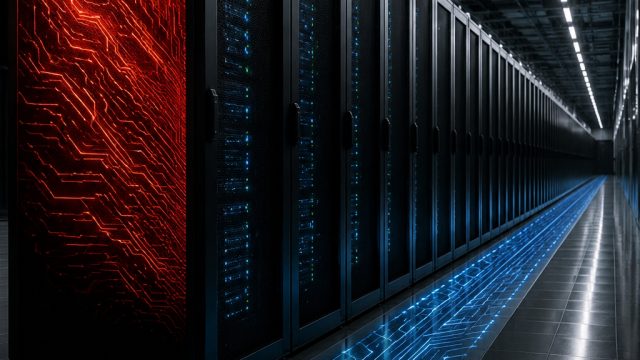
In a groundbreaking development that underscores the escalating competition in global technology, China has unveiled a supercomputer that has surpassed all American machines in speed, reclaiming the title of the world's fastest supercomputer for the first time since 2017. This remarkable achievement not only highlights China's advancements in computational capabilities but also raises critical questions about the future trajectory of technological innovation and geopolitical dynamics.
The Rise of China's Computing Power
The new Chinese supercomputer, known as LineShine, topped the prestigious TOP500 list, leaving behind its closest rivals from the United States and marking a significant milestone in the ongoing race for supercomputing supremacy. With this leap, China demonstrates its commitment to pushing the envelope in high-performance computing (HPC) and reinforces its position as a leader in the field.
What Does This Mean for Global Technology?
China's ascendance in supercomputing has several implications for the global tech landscape:
- Increased Competition: The advancements made by Chinese researchers and engineers signal a more intense competition with the U.S., pressing American firms to innovate further to maintain their edge.
- Geopolitical Tensions: As nations leverage technology as a means of power, the race for supercomputing capabilities could exacerbate existing tensions between the two countries.
- Investment in Research: China’s investment in supercomputing reflects its broader strategy to lead in technology as a driver of economic growth.
China’s Technological Strategy
The achievement of the LineShine supercomputer can be seen as part of China's larger strategy to become a global leader in technology and innovation. The Chinese government has invested heavily in research and development, establishing a framework that encourages rapid advancements in various scientific fields, including artificial intelligence, quantum computing, and big data analytics.
Areas of Focus
- Artificial Intelligence: With supercomputers at the heart of AI research, China aims to harness massive computational power to enhance machine learning and deep learning capabilities.
- Climate Science: Supercomputing can facilitate complex climate models, aiding in better understanding and combating climate change.
- Healthcare Initiatives: The application of supercomputing in genomics and drug discovery promises potential breakthroughs in personalized medicine.
The Response from the United States
The U.S. has historically been the leader in supercomputing technology, and this recent development is prompting a reassessment of its own technological strategies. Many experts in the field are calling for increased investment in supercomputing research and infrastructure to ensure the U.S. does not fall behind.
Possible Strategies for the U.S.
- Boosting Funding: Advocating for increased federal funding for HPC initiatives could foster innovation and development.
- Public-Private Partnerships: Collaboration between government and tech companies could drive advancements in supercomputing.
- Research Collaborations: Strengthening alliances with universities and research institutions can enhance knowledge sharing and resource pooling.
Looking Ahead: Implications for Future Technologies
The surge in China's supercomputing capabilities has ripple effects across various technology sectors. As computational power continues to grow, new horizons will open in areas such as data science, machine learning, and complex system modeling. The implications are not solely academic; industries from finance to healthcare will benefit from these advancements, leading to enhanced efficiency and innovation.
Challenges and Ethical Considerations
As the power of computing grows, so too do the ethical considerations surrounding its use. Issues related to privacy, security, and the potential for misuse of technology must be at the forefront of discussions within the tech community. Stakeholders need to address questions about the responsible use of supercomputing in AI and related fields.
Conclusion: A New Chapter in Computational Leadership
China’s triumph in the supercomputing arena signals a pivotal moment in the ongoing technological race between global powers. As the quest for computational dominance continues, collaboration, innovation, and ethical considerations will be crucial in navigating the complexities of this new landscape. Industries and governments alike must stay vigilant and proactive to capitalize on the opportunities presented by such powerful technology and contend with the challenges that accompany it.



