As the global shift towards renewable energy accelerates, there are pressing questions surrounding its environmental impact, particularly regarding land use. This discussion is critical now more than ever, as governments and corporations ramp up investments in solar, wind, and other renewable sources to combat climate change. While the intention is to promote sustainability, the reality is often more complex and fraught with unintended consequences.
The Rapid Expansion of Renewable Energy Projects
In recent years, there has been a surge in the establishment of solar farms and wind turbines across the globe. These projects are often positioned as the panacea for reducing carbon emissions and transitioning away from fossil fuels. However, the resources they require can lead to significant land use changes that may undermine agricultural production and wildlife habitats.
Competing for Space: Renewable Energy vs. Agriculture
One of the most contentious issues surrounding renewable energy development is its competition with agricultural land. As more solar arrays and wind farms are built, arable land essential for food production is increasingly at risk. This shift raises several concerns:
- Food Security: The conversion of farmland into energy production sites can reduce the availability of crops, impacting food supply chains.
- Ecological Balance: Displacing natural habitats further endangers local wildlife and biodiversity.
- Cultural Heritage: Many agricultural lands hold historical significance, representing traditional farming practices that could be lost with industrial development.
The Economic Landscape: Weighing Costs and Benefits
As policymakers and investors prioritize renewable energy, it is vital to consider not only the ecological benefits but also the economic implications. The initial costs of these projects can be substantial, and while they promise long-term savings, the short-term impacts can be crippling for local economies reliant on agriculture.
Understanding the Financial Trade-offs
Investing in renewable energy is not merely about the upfront capital; it also involves understanding operational costs and potential revenue losses from agricultural production. Key considerations include:
- Investment in Agriculture: Funds diverted from agricultural support to renewable projects can strain local farmers and exacerbate food scarcity.
- Job Displacement: Workers in traditional agriculture may find themselves displaced due to the shift in land use.
- Long-term Viability: The sustainability of renewable energy projects is tied to their economic feasibility, which can fluctuate based on market demand.
Looking Ahead: A Balanced Approach to Sustainability
The transition to renewable energy is essential for combating climate change, but it must be approached with careful consideration of its broader impacts. To effectively balance the push for renewable solutions with land use needs, stakeholders must explore several strategies:
Innovative Solutions for Sustainable Land Use
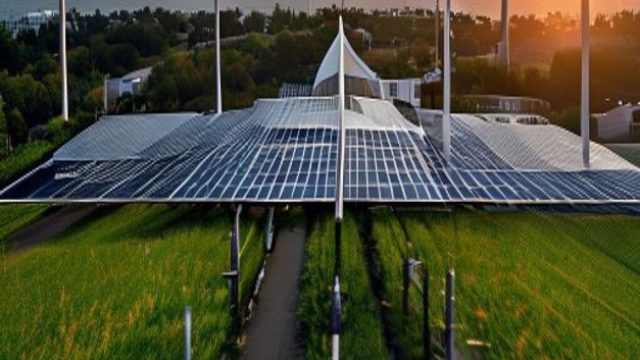
1. Agrovoltaics: This innovative approach combines agriculture and solar energy production on the same land, allowing for continued crop cultivation alongside solar farms.
2. Land Restoration: Prioritize projects that restore degraded lands, thus minimizing the impact on productive agricultural areas.
3. Community Engagement: Involve local stakeholders in planning processes to ensure that renewable projects align with community needs and values.
Conclusion: A Call for Responsible Energy Development
The dialogue surrounding renewable energy is crucial as we navigate the complexities of land use and environmental sustainability. With the stakes higher than ever, it is essential that we adopt a holistic view of energy transitions, ensuring that we protect our agricultural heritage while advancing towards a greener future. By examining the hidden costs and making informed decisions, we can work towards a sustainable energy landscape that respects both our planet and our food systems.