
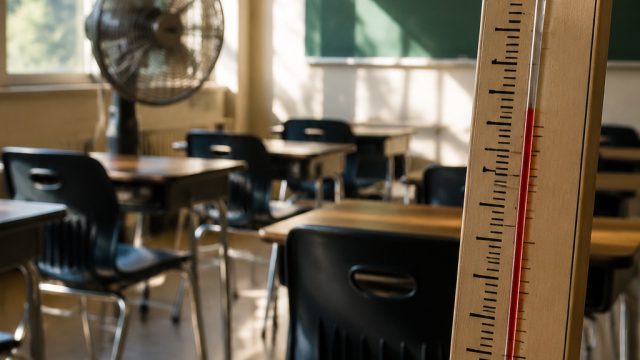
As Europe copes with an unprecedented heatwave, the issue of whether to keep schools open or closed has ignited passionate debates among parents, educators, and officials. With temperatures soaring, many schools in the UK and France find themselves ill-equipped to handle the sweltering conditions, sparking concerns over student welfare and learning environments.
The Current Situation Across Europe
The current heatwave has forced many European countries into a state of urgency. In regions where air conditioning is scarce, schools are feeling the pressure to adapt to these extreme weather conditions. Parents are increasingly vocal about their concerns, with some advocating for an early summer break to protect children's health and well-being.
Impact of Heat on Learning
Research indicates that high temperatures can significantly hinder students’ capacity to learn effectively. Heat-induced discomfort can lead to decreased concentration and increased fatigue. According to recent studies:
- Students in overheated classrooms score lower on tests.
- Extreme heat can exacerbate behavioral issues among children.
- Long-term exposure may affect overall academic performance.
These findings underscore the necessity of evaluating whether schools should remain open during heatwaves, especially in areas lacking adequate cooling systems.
Divided Opinions Among Stakeholders
The decision to keep schools operational during extreme heat is fraught with differing opinions. Educators often point out the importance of maintaining a structured learning environment, while parents prioritize their children's health and safety. The tension between these perspectives has led to complex discussions:
Parents' Perspectives
Many parents are calling for immediate action. With the temperature reaching record highs, they feel that children's health should take precedence over academic schedules. Some key points raised by concerned parents include:
- The risk of heat exhaustion and dehydration among students.
- The need for more proactive measures, such as flexible schooling options or online classes.
- Improving school infrastructure to cope with future heatwaves.
Teachers and Administrators
On the other side of the debate, educators argue that keeping schools open provides continuity for students. They emphasize:
- The importance of structured learning, even during challenging conditions.
- Institutional support for heat management, such as scheduled breaks and shaded areas.
- Possible solutions, including the use of portable air conditioning units.
As a result, schools across Europe are exploring various strategies to mitigate the effects of the heat while still providing education to students.
Innovative Solutions for a Cooler Classroom
In light of the current circumstances, several innovative approaches have been proposed to improve conditions in schools without sacrificing student learning. These include:
Infrastructure Improvements
Investing in energy-efficient cooling systems is critical. Schools that lack air conditioning are looking into:
- Installing window films to block heat.
- Implementing natural ventilation techniques.
- Using outdoor spaces creatively for lessons and activities.
Flexible Learning Strategies
Another approach is to introduce flexible learning schedules that align with cooler parts of the day. Some schools are contemplating:
- Shifting start times to early morning or late afternoon.
- Offering remote learning options when temperatures are dangerously high.
- Utilizing local community centers with adequate cooling amenities.
The Way Forward: A Call for Action
The ongoing heatwave serves as a wake-up call for educational institutions across Europe. It emphasizes the urgent need for schools to assess and enhance their infrastructure to ensure the safety and well-being of students. As debates continue, all stakeholders must collaborate to find practical solutions that balance the need for education with the imperative of student health.
In conclusion, as the heatwave persists, it is crucial for schools, parents, and policymakers to engage in transparent discussions. The decisions made today will not only impact students' immediate learning experiences but also shape the future of education in the context of climate change. Schools must invest in their environments to ensure that every child can learn comfortably, regardless of rising temperatures. The time for action is now.



