
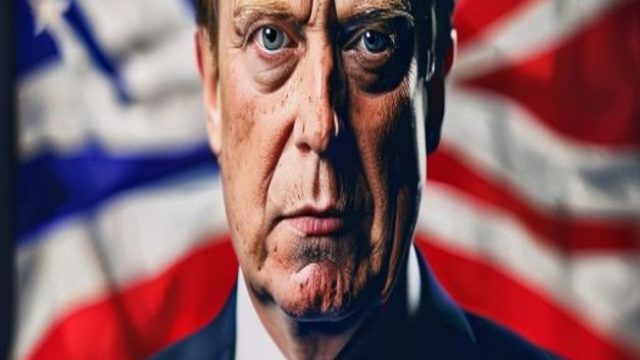
Decade Post-Brexit: Starmer's Exit Sparks Urgency for Change in UK
As the UK marks ten years since the Brexit referendum, the resignation of Labour leader Keir Starmer has raised significant concerns about the direction of the country's political landscape. Starmer's departure not only signals a potential shift in Labour's strategies but also highlights the deeper issues plaguing the UK in the aftermath of its historic decision to leave the European Union.
The Impact of Brexit: A Lost Decade?
The ramifications of Brexit have been profound, with many analysts arguing that the UK has entered a "lost decade" since the referendum. Economic uncertainty and political instability have dominated discussions, affecting everything from trade relationships to public sentiment.
Economic Challenges on the Horizon
The economic landscape in the UK has seen drastic changes, with inflation rates soaring and the cost of living crisis impacting millions. While Starmer's leadership aimed to galvanize the party and propose alternative solutions, his resignation now leaves a vacuum that could further exacerbate these problems.
- Rising inflation rates affecting everyday consumers
- Increasing costs of essential goods and services
- Potential for recession looming ahead
Political Instability: The Revolving Door of Leadership
The political scene has become increasingly volatile, characterized by a series of leadership changes that leave many voters confused. The media, both in Europe and the UK, have noted this peculiar trend, describing it as a "revolving door" of prime ministers. This instability raises questions about the effectiveness of governance in addressing urgent issues.
Public Discontent and Distrust
The frequent changes in leadership have led to a general sense of discontent among the populace. Many citizens express a lack of trust in politicians who seem unable to deliver consistent and effective solutions to pressing problems.
- Surveys showing declining public trust in political leaders
- Increasing calls for transparency and accountability
- A rising sentiment among voters for systemic change
What Lies Ahead for the Labour Party?
Starmer's exit poses a critical question: what direction will the Labour Party take in this unstable environment? With potential successors already being discussed, the party must navigate the challenges of addressing both economic recovery and public trust.
Emerging Leaders and Their Visions
As the Labour Party looks for new leadership, several figures are emerging as potential candidates. Each brings unique perspectives on how to tackle the issues at hand.
- Focus on economic revitalization through progressive policies
- Strengthening connections with grassroots movements
- Emphasizing the importance of unity within the party
Conclusion: The Urgency for Change
Keir Starmer's resignation could act as a catalyst for change within the Labour Party and the broader political landscape of the UK. As the nation grapples with the effects of Brexit a decade later, the conversation surrounding economic stability, political accountability, and public trust is more urgent than ever. The future of the UK depends on effective leadership that can navigate these turbulent waters and propose viable solutions to reclaim a sense of direction and purpose.



