
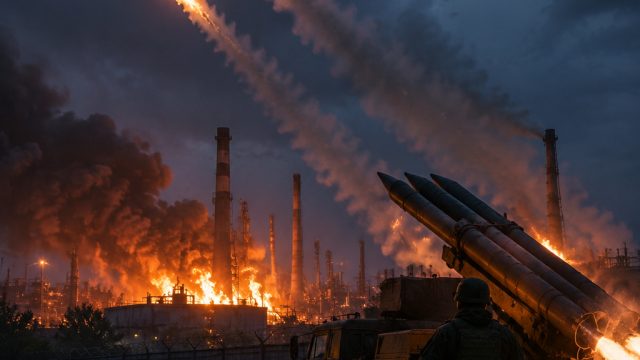
In an escalation of the conflict between Ukraine and Russia, Ukrainian forces have launched precision long-range strikes against key energy facilities in Russia. This strategic move, hitting major natural gas plants and satellite centers, reflects Ukraine's growing military capabilities and underscores the ongoing tension in the region. As the conflict continues, these strikes carry significant implications for energy security and military dynamics.
The Nature of the Strikes
Recent reports indicate that Ukraine's military has successfully targeted crucial components of Russia's energy infrastructure. These strikes are not merely tactical; they represent a shift in Ukraine's operational strategy as it seeks to undermine Russia's energy supply chain.
Key Targets Hit
- Major natural gas facilities that supply energy across the region
- Satellite centers crucial for military communication and operations
By damaging these assets, Ukraine aims to disrupt Russia's ability to sustain its military operations while simultaneously sending a message regarding its own resilience and determination in the face of aggression.
Strategic Implications
The consequences of these strikes extend beyond immediate military gains. Ukraine's ability to strike deep into enemy territory is a testament to its evolving military technology and tactics. This development is significant for several reasons:
1. Energy Security
The attacks on energy facilities may lead to an energy crisis in Russia, which could further impact its military operations. Disrupting the energy supply not only affects civilian life but also hampers military logistics and operational readiness.
2. Military Morale
Striking at the heart of Russian infrastructure can boost Ukrainian morale while simultaneously sowing doubt among Russian forces about their safety and operational capabilities.
3. International Reaction
The international community is closely monitoring these developments. As Ukraine continues to demonstrate its offensive capabilities, Western nations may reassess their support levels, potentially increasing military aid and resources to bolster Ukraine’s defense efforts.
Lessons Learned from Previous Conflicts
The strikes also draw parallels with previous military conflicts around the world where strategic targeting of infrastructure played a pivotal role. History shows that disrupting an adversary's supply chains can lead to substantial shifts in conflict dynamics.
Case Studies
- The Gulf War: Targeting Iraq's oil infrastructure significantly weakened its military capabilities.
- The Kosovo Campaign: Precision bombing of infrastructure aimed at crippling Serbian military logistics.
These examples highlight that Ukraine's current strategy is not isolated; rather, it follows a historical precedent that emphasizes the importance of striking at the core of an enemy's resources.
The Path Ahead
As the situation evolves, it is essential to consider the broader implications of Ukraine's recent actions. What does it mean for future military engagements in the region? How will Russia respond to these provocations? Experts suggest that further escalation is likely, as both sides prepare for a protracted conflict that could redefine the European security landscape.
Future Considerations
- Increased investment in military technology for both nations
- Potential shifts in alliances and international support systems
- The role of energy resources in geopolitical strategies
As these questions linger, one thing remains clear: the conflict between Ukraine and Russia is far from over, and each new development is critical to understanding the future of warfare in this region.
Conclusion
Ukraine's recent strikes on Russian energy infrastructure mark a significant turning point in the conflict. With the potential to shift the balance of power, these actions underscore the importance of military strategy in modern warfare. As the international community watches closely, the coming days and weeks will be crucial in determining how this conflict evolves and what ramifications it holds for global security.
