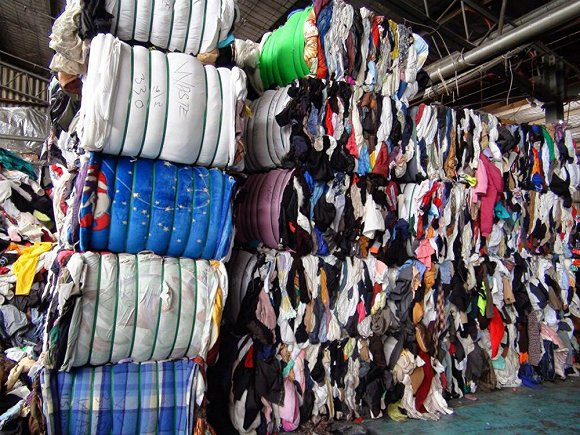
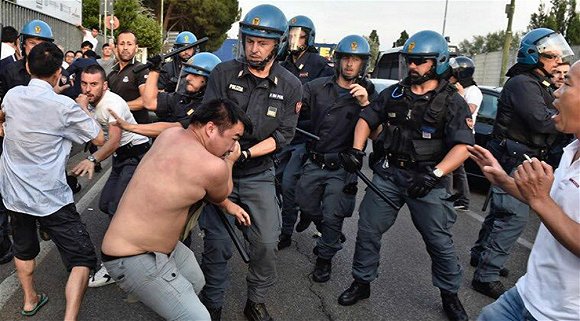
According to the South China Morning Post, a Chinese labor unrest broke out in the Prato region of Italy at the end of July. More than 600 illegal Chinese immigrant workers protested with banners reading "This is China, Not Italy." The conflict between the rebels and the Italian armed forces gradually escalated. In the end, the police used tear gas to restore local order.
The government and labor organizations disagree: "We are always being inspected, looted and robbed," said one rebel. The prosecutors only want money, no one to protect us. ”
A local official named Enrico Rossi said that many local businesses have not paid taxes and are still operating illegally. The inspector monitors labor environment, working conditions standards and other matters in Italy.
The Huffington Post recently analyzed the riots and found that the local economic and immigration conflicts in Italy have become very prominent, and many of them are even issues left over from history. Most of the workers who resisted came from China to the Tuscany region of Italy 30 years ago, and then moved to Prato and Florence. Today, Prato is the Italian region with the largest population in China. Most of them worked in the local textile and clothing industry. In its heyday, a factory could employ 4,000 workers, enough to support a prosperous community. This was once called one of the top five secrets in the fashion industry by the website Jordanetmers.
Soon, these new immigrants began to set up their own companies and provide the same services to the market at a cheaper price. The Italian government worries that "cheap" means they are undermining healthy employment relations and safety laws, or evading taxes.
However, Italian buyers turned a blind eye to this, because it meant that they no longer had to spend time and energy traveling to China and India.
These Chinese communities have survived and grown amid the conflicts of interest between Italian businesses and the government. The British "Guardian" also reported in July that they almost formed the largest Chinatown around Florence. In the early days, the residents of the city were just doing crafts. Later, they began to export goods with the "Made in Italy" label to China, including leather goods, bags and clothing. From 2006 to 2010, they faced smuggling charges worth up to 3.8 billion euros.
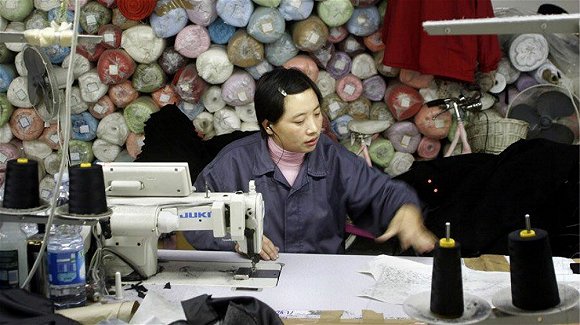
Legal issues are actually just the trigger for the escalation of conflicts between the two parties. The reason for such large-scale protests this year is that the weak luxury market has intensified the interest disputes. The Huffington Post pointed out that luxury goods companies are cutting labor costs. On this basis, European distributors and brands are also more willing to cooperate with these Chinese communities, which will help them survive the cold winter and be able to face the wave of price cuts and discount strategies more calmly. In this movement for luxury goods to give up their aloof status, these Chinese communities that provide cheaper labor costs are important participants.
Of course, once the price war breaks out, the business environment will become more complicated, for example, legal bottom lines will be frequently touched or labor environment requirements will be lowered. But Simone Cipriani, founder of the International Trade Center Ethical Fashion Association, commented that it is a pity that only a few are willing to stand up and speak out.
Until 2015, a serious factory fire broke out in one of these ghost companies, and many people did not survive. After that, the local government began closing the factory until two months ago.
Immigration, local businesses and the government, these three stakeholders have not been able to reach a reconciliation so far. The government wants to close factories in order to maintain stability, but it invisibly deprives immigrants of employment. Immigrants' personal safety and equal rights cannot be guaranteed, while companies choose to turn a blind eye to the ethical dilemmas in the supply chain for the sake of profit.
Cipriani expressed concern about such a hostile relationship, because Europe is now repeating the drama of the 1990s. Every six months, Europe will accept a group of Middle Eastern refugees, who will gradually form their own communities in the future. In severe cases, this rises to a higher national political level. According to the "Guardian", the Chinese government held a press conference in response to the riot. China asked Italy to "enforce the law in a civilized manner." Hong Kong also suggested that the Chinese people can defend their rights and interests in Italy, but in a law-abiding and rational manner.