
Seeing the rise of platforms such as Tmall, Taobao, Weidian, and official websites, whether fashion online sales is feasible no longer seems to be the focus of designers. They are more willing to invest their limited energy and capital in specific operations. Guo Yirantian, Zhang Na, Jin Qiluo, Wang Fengchen, and Chen Anqi are all considering it, or have already embarked on the road to e-commerce. Apparently, this is no longer a secret.
Fashion designer Guo Yirantian, who graduated from the London College of Fashion two years ago and returned to China, launched the official website of her eponymous brand after the Spring Festival this year. Half a year later, she quickly launched the WeChat store. The reason is: "Some cities have not yet opened shops, but local customers will not go to another city to buy."
The e-commerce model that breaks geographical boundaries is particularly important for emerging designers. Women's clothing designer Chen Xuzhi, who has entered boutiques such as Lane Crawford and Dongliang, is currently busy preparing for her third season of work after graduation - XU ZHI 2017 spring and summer series. Those distinctive fabrics attracted many buyers to him last year, and some e-commerce platforms also placed orders. However, the designer himself is more concerned about opportunities in the European and North American markets.
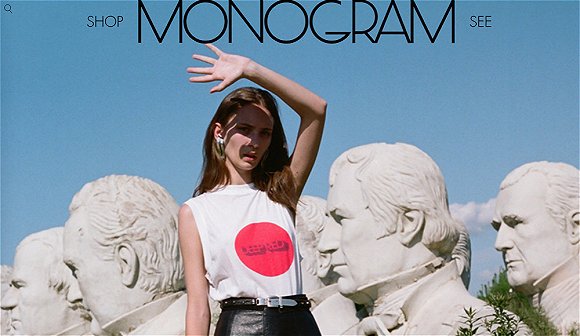
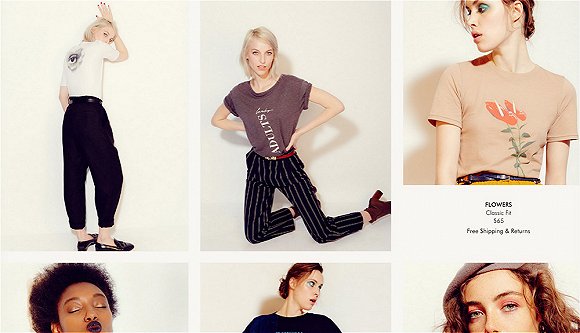
There, fashion pioneers have successfully proven the feasibility of online direct sales. Since 2003, e-commerce platforms such as Net-a-Porter, Yoox, MatchesFashion.com, and Farfetch have gradually cultivated a group of people who are willing to make large-scale clothing purchases online. From Monogram, the online brand of husband and wife team Jeff Halmos and Lisa Mayock, to Thakoon, young designers are full of confidence in online direct sales because there are countless successful cases in front of them.
In the past few years, Chinese designer brands have suddenly entered the fast lane. The most significant change is that more and more buyer shops are opening. Hong Kong-owned boutiques, including I.T., Joyce, and Lane Crawford, were the first to open the door, followed by local boutiques, which quickly spread from first-tier cities such as Beijing and Shanghai to second- and third-tier cities. Lucky designer brands are slowly gaining a foothold through professional sales and existing customer base in boutiques.
After the number of boutiques exploded, commercial real estate service provider Ruiyide released the "Research Report on Chinese Buyers' Stores" for two consecutive years. But soon, optimism eventually subsided as offline retail growth slowed. Although many luxury industry reports include designer brands as a major evidence of consumption "diversity", because the market size is still not large, many consulting companies do not particularlyrelated research.
But at the same time, there are more and more young designers emerging, and everyone is eager to gain more exposure and sales channels. In the dilemma of too many monks and too little food, the significance of expanding online sales has naturally been strengthened. “Designers found that they may not be able to survive through boutiques,” said Jin Qiluo, designer of shoe brand KKtP. “So everyone began to bypass retail and actively build channels. If you don’t have the money to open a store, the first place you can start is an online store.” Unlike the selection model of boutiques, e-commerce can maximize the integrity of designers’ collections for each season.
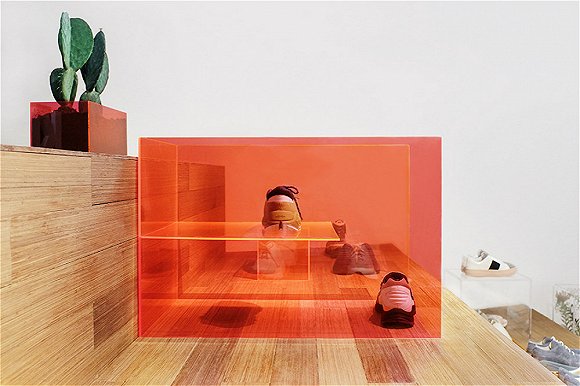
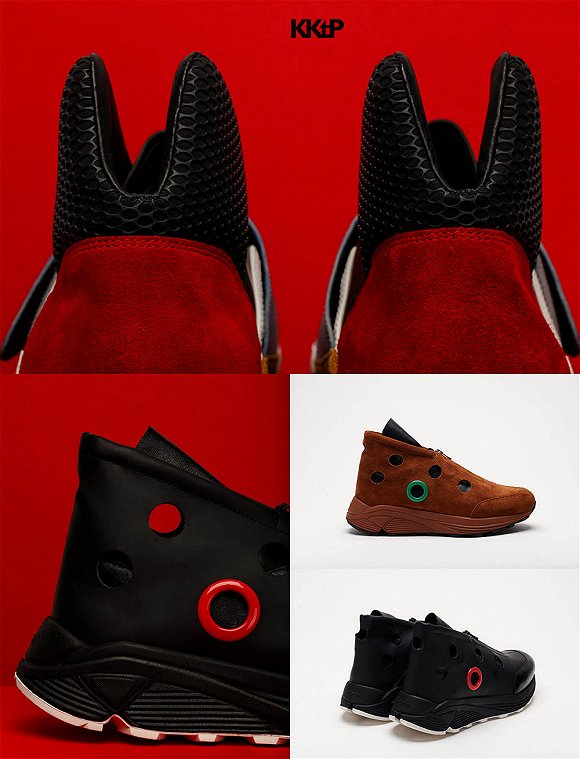
Among the designers who have now launched online sales, Jin Qiluo started relatively early - he founded the brand in 2013 and set up an official website. Currently, KKtP’s website is undergoing a new “renovation”, trying to learn from Canadian e-commerce Ssense to win more users with carefully designed pages, styling and photography.
Contrary to what everyone imagines, online stores don’t actually save money. As one of the lifebloods of fashion e-commerce, visual display is like window display. It is a powerful tool to attract customers and turn traffic into sales. Of course, the premise is that the effect is good enough. E-commerce giant Amazon has opened a large photography studio in London to support its rapidly growing fashion category business.
"Sometimes the shooting cost is more expensive than the entire outfit." In addition, Jin Qiluo spent 10 months looking for an outsourcing company to develop the program, design the front desk, activate the payment function, and handle logistics.
Therefore, few designers regard self-built websites as the best solution. Chen Xuzhi said that without a stable customer base, developing a website may be a waste of energy. "With a limited budget, how to arrange goods, operate it, and how to promote the platform." These are unavoidable problems for designers working as independent e-commerce companies.
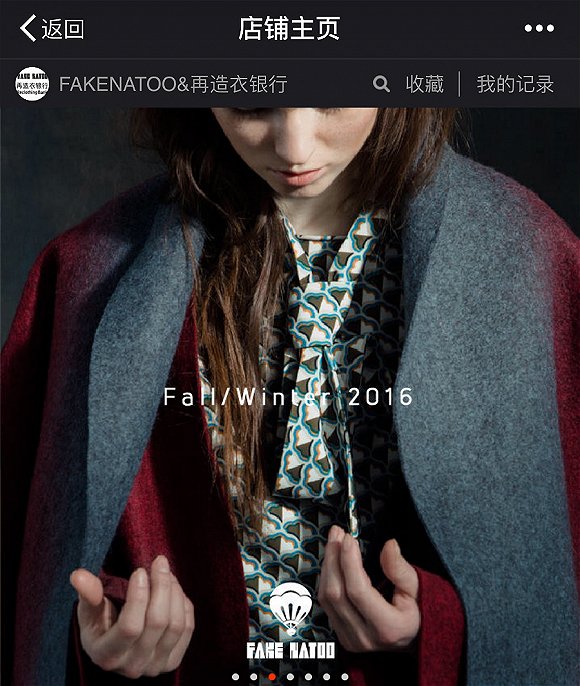
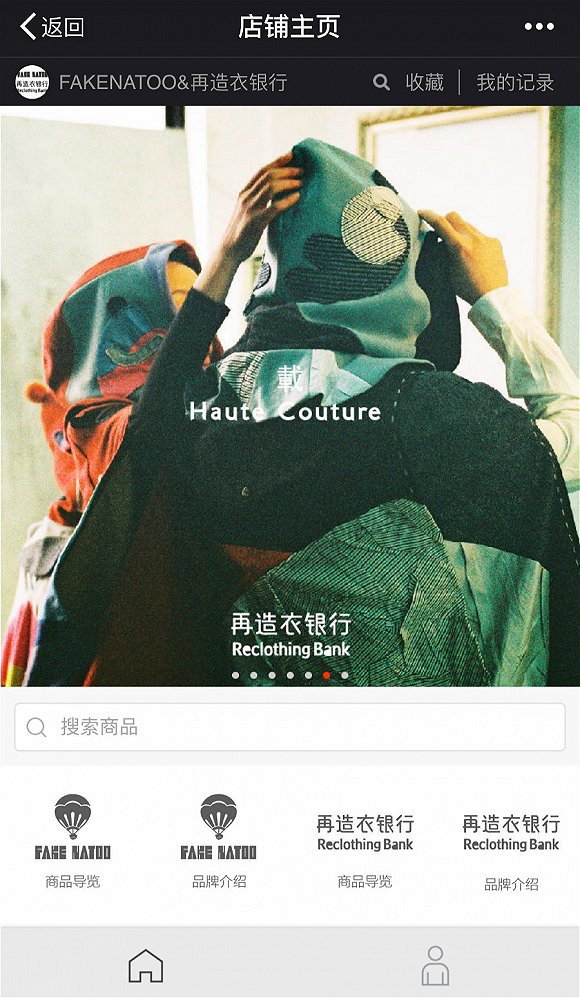
Zhang Na, who is intensively planning to build a micro-store, also does not plan to launch online purchases with great fanfare. "It's not very controllable because I don't have a dedicated team to connect with it." After comparison, she chose the Weidian platform to start online sales. "It's small and beautiful, and we just have our own public account. We can make links and write some inner expressions without spending too much effort. It's flexible and free." Zhang Na's Weidian setting is to complement the existing buyer stores and allow the brand to reach more people.
KKtP, which started with a pair of sneakers, has now developed into a series of footwear accessories. In order to support the website, Jin Qiluo introduced hats, glasses, raincoats, bicycles and other filling products. When selecting products, he mainly focuses on items that can be matched with KKtP. They have bright colors and simple designs. Another criterion is "the price is over 1,000, so it's not very expensive."
Price has always been a difficult problem in the commercialization of new-generation designer brands. If the price is too low, it will not be able to cover costs and operating expenses, but if it is too high, it will easily be criticized by consumers as "high-minded but short-handed." Online, the problem is amplified because online buyers are more price-sensitive. Some designer brands that exist on Taobao practice a different set of game rules.
The Shangjie flagship store on the Tmall platform has gathered more than 60 designers including Ji Cheng, Li Hongyan, and Jiang Yueyin, many of whom are emerging talents from Shanghai Fashion Week. The unit price here is set at 400 yuan, and most products do not exceed three digits.
“Judging from Tmall data, the current unit price per customer is between 300-400 yuan. " Ni Yaqin, the person in charge of the Shangjie flagship store, said. It may not be because online buyers cannot afford higher-value goods, but because of Tmall's existing brand and platform positioning, there are very few buyers who can afford clothes worth thousands of yuan.
The difference between three-digit and four-digit numbers is not only in the selection of materials and styles, but also in the brand concept. After Shangjie signs a cooperation agreement with designers, it needs to repeatedly "brainwash" the latter and explain to them the business rules of e-commerce - they must adapt to the Tmall model. “Due to the need to compete for offline time during Double 11, the fall launch of new products on Tmall is one month earlier than offline. This is something that many designers cannot understand. "Ni Yaqin remembers the deadline very clearly, "The prerequisite for participating in Double 11 is to complete the shipment on September 20, and then there will be a link to register. ”
However, co-designers often fall behind on delivery times. In view of the abundant reserves, Tmall’s rules are very tough and “will not change just because of one designer, but as long as you adapt, you can make money.” She explained that the online collection store supported by Shanghai Textile Holding Group provides designers with resources including supply chain, publicity and channels.
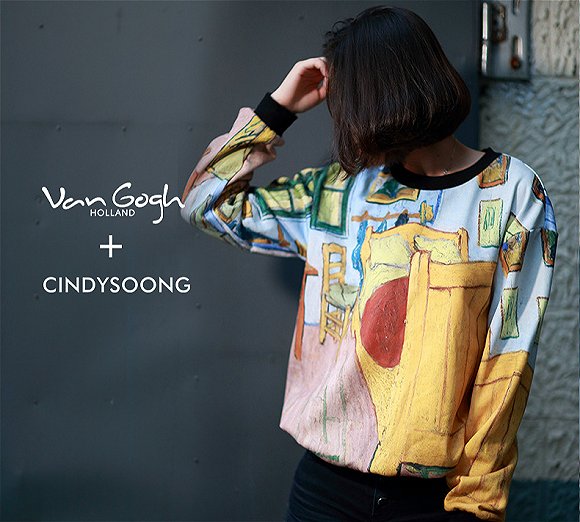
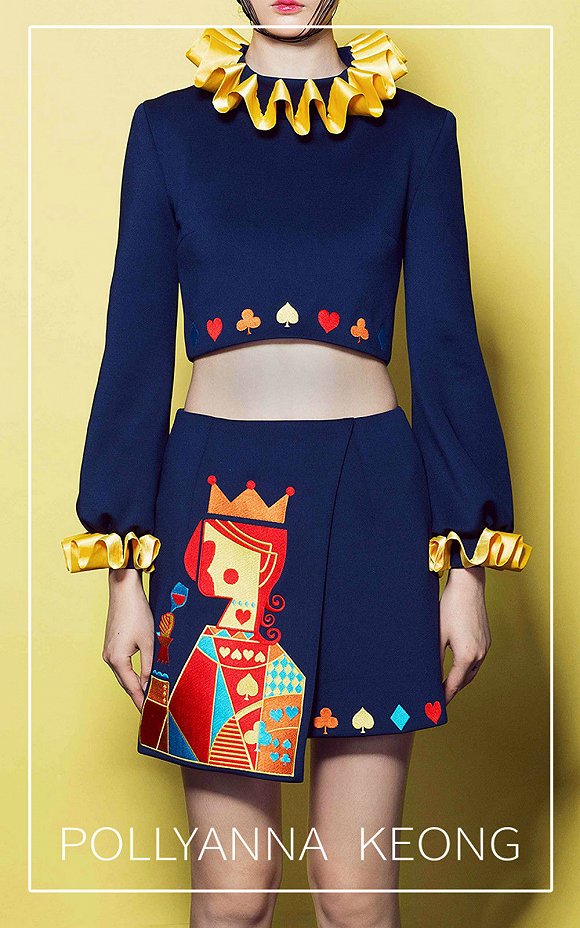
This year, after Shangjie bought the Van Gogh IP, it invited Cindy Soong to design clothes based on this theme. Before joining Shangjie, Jiang Yueyin’s Pollyanna Keong was just a small Taobao store with a few hearts. After being famously worn by Qu Xiaoxiao in the TV series "Ode to Joy", the number of orders increased rapidly - the transaction volume of poker skirts increased from the original 3 to more than 1,000. The Shangjie flagship store quickly signed her up and not only introduced suppliers, but also reserved a catwalk seat for her at the Shanghai Fashion Week in October this year.
However, there are only a few fashion designers who can rely on film and television dramas to become an instant hit and then attract fans and sell well. Most independent designers living on Taobao are living a tepid life, with problems such as the speed of new releases and the supply chain. For example, Mois Studio is a brand established by a Chinese designer in New York. The unit price ranges from hundreds to thousands. However, after a new update, the store has been silent for more than half a year.
There are many designers who are daunted by the rules of large platforms. Zhang Na, who already has a certain stable customer base, does not intend to specifically develop three-digit clothing. According to her plan, the Weidian will include the full range of FAKE NATOO products and the recycled clothing bank series, including a 10,000-yuan yak hair coat. "It does not bear sales pressure." Zhang Na said.
Guo Yirantian, who has just finished his fifth season fashion series, will not consider Taobao in the short term. "Our current team is relatively small, and neither the inventory nor the manpower can adapt to the Taobao model." What reassures her are two types of e-commerce: online websites with offline physical stores and a certain style and positioning in the industry, such as Lane Crawford; or experienced online stores like Net-a-Porter.
Interestingly, domestic buyer store Dongliang also recently opened its Weidian C3 (Capsule Collaborative Collection). It mainly brings together exclusive collections from designers. Just in August this year, it teamed up with XU ZHI, SHUSHU/TONG, HELEN LEE, and THE LAWN to launch a special early autumn series, and introduced each cooperating designer through its public account to promote the joint series.
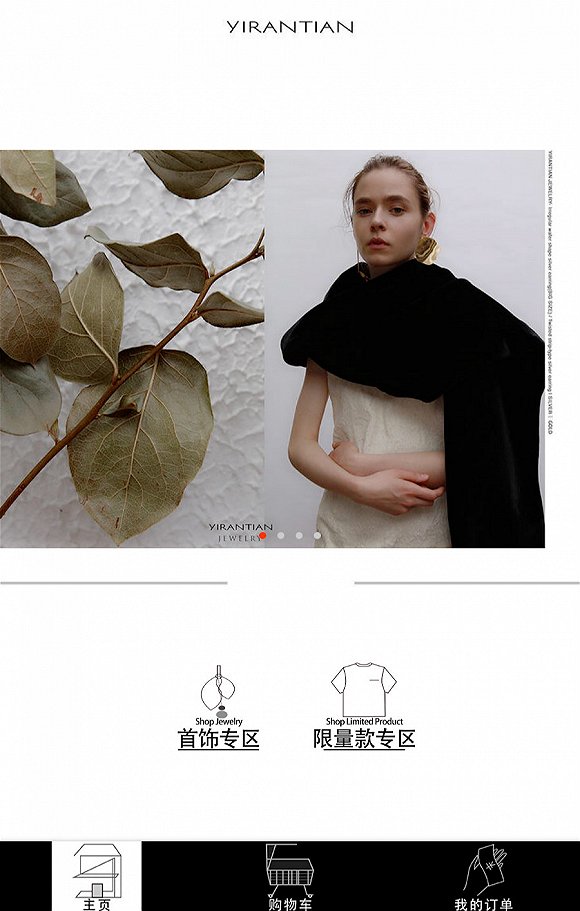
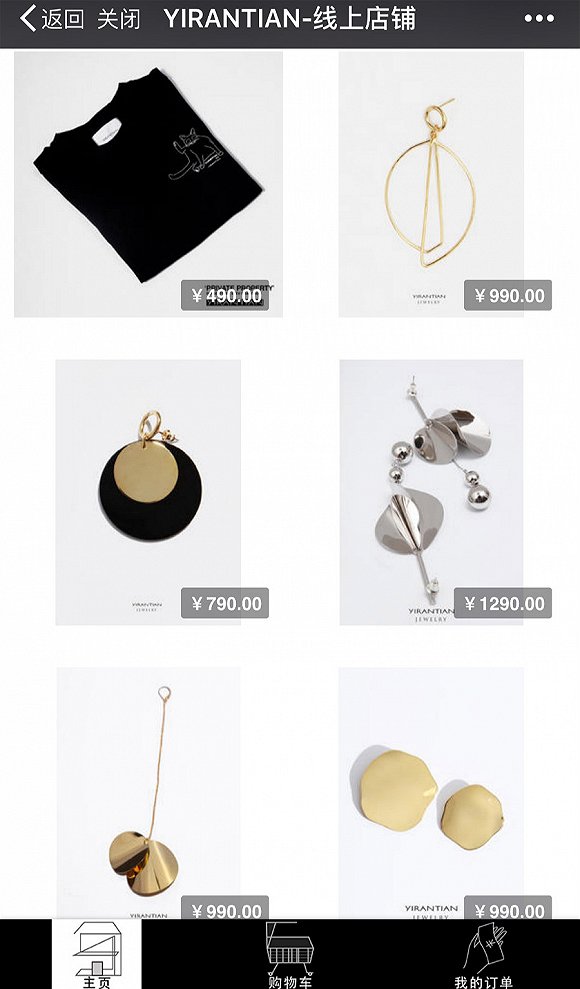
In his own micro-store, Guo Yiran mainly sells jewelry, with an average price of 1,000 yuan. There is also a limited edition T-shirt priced at 490 yuan. On the one hand, we consider online purchasing power, and on the other hand, we consider whether there will be an impact online and offline. “We don’t sell ready-to-wear to avoid conflicts with boutiques, and our accessories are non-returnable and non-exchangeable, so it’s more convenient to operate. ”
KKtP, which operates nearly 30 offline stores, also faces the same problem. "Some online customers are impacting our own e-commerce. This is a real contradiction." Jin Qiluo's approach is to adjust the products, add more exclusive products on the official website, and gradually narrow the supply.
Compared with fashion brands, KKtP’s “non-standard products” attribute is slightly weaker, which reduces buyers’ online uncertainty. “Generally, customers will ask whether the size is too big or too small. Our shoes are too big and we will tell our customers that if you wear a Nike 44, we can wear a 43. Jin Qiluo reviewed the sales situation in the previous period, "The return rate is still very small. After all, customers are more targeted and have done a lot of research before placing orders."
The freedom of KKtP also lies in the ability to change the cycle according to the channel, which may increase from two quarters a year to four or six quarters in the future. “Nobody has the patience to wait that long. We can break up the large series into 3 groups. Each photoshoot is made into 3-5 looks, which is a bit like the approach of street brands. The products are relatively simple, so they are not too expensive. ”
Judging from the current situation, although most designers cannot be called "playing tickets" online, they have not placed too much expectations on online sales. Increasing manpower and vigorous publicity are considered a luxury for Chinese designers at this stage. If we talk about going from zero foundation to owning a brand with the same name, regularly releasing a series is the first level of fighting monsters, and online operations are an even bigger monster—team, funding, and market are all indispensable.
