If diversifying the skin color of models is the direction that the CFDA (Council of Fashion Designers of America) has been striving for in recent years, Europe has struggled with weight. A week before the London Fashion Week show, the British Women's Equality Party called on designers to make two sets of sample clothes, one of which should be above a size 12.
Their reasons are quite good: "The designer's runway show size is so small that the model has to starve to death to fit herself into it." ”This is no joke, at least the BFC (British Fashion Council) did not treat it as an episode. In the British fashion industry, size 12 has been regarded as plus size, and most models on the catwalk wear the British version of size 0--although the sizes of each brand are not uniform nowadays, the fashions sold on the market usually start from size 4.
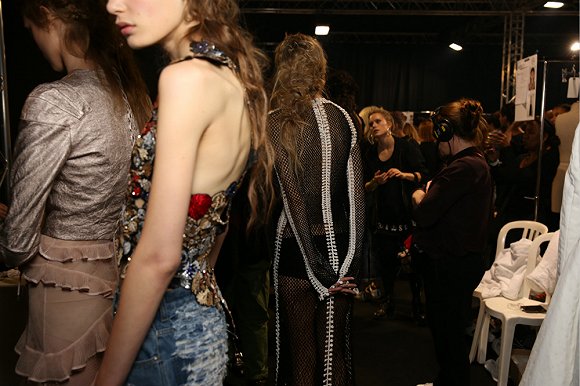
It must be said that designers are "much more tolerant" when facing customers, and even secretly change the sizes to appease their concerns about their figures. According to the National Institute of Standards and Technology, size 16 in 1958 is equivalent to size 8 today.
As early as 2009, Alexandra Shulman, editor of British Vogue, complained that the sample clothes sent by fashion houses were too small and many models could not wear them at all. An announcement from the magazine stated: "Unrealistic sample sizes severely limit the range of photogenic models available, and in disguise encourage people to choose models who are too thin." ”Regarding this negative response, most fashion houses still go their own way.
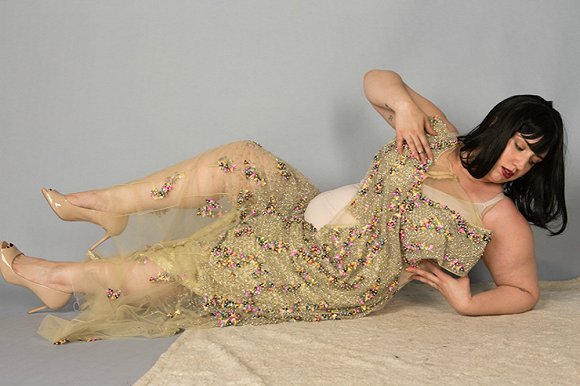
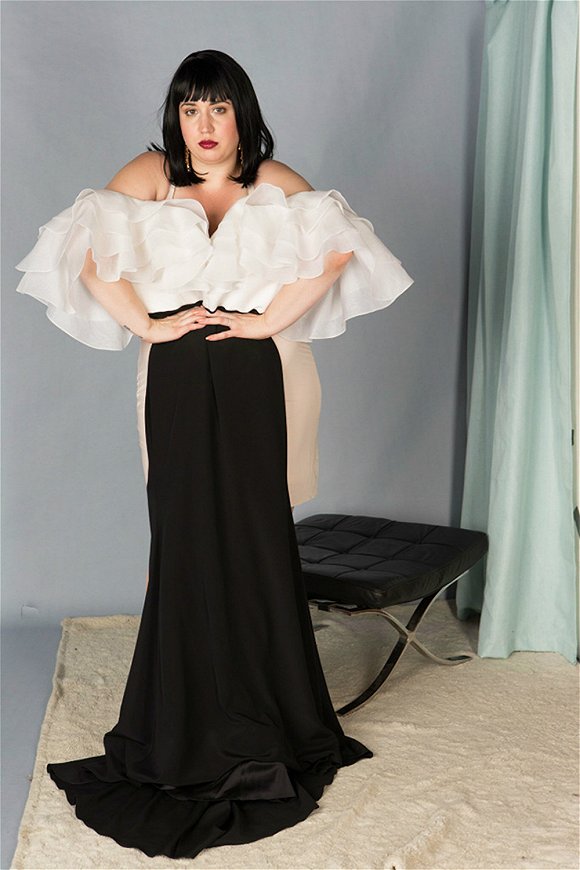
Fashion blogger Liz Black recently used a set of photos to accuse sample clothing sizes of being anti-human. She has worked in the fashion industry for 8 years and said that there are various reasons for designers to insist on small sizes: saving costs, hoping that the audience will focus on the clothes, and matching the models recommended by the agency... The last one sounds a bit like "chicken and egg, chicken and egg". There is no doubt that thinness is taken for granted in every aspect of the industry.
Last fall, size 8 model Rosie Nelson was ordered to lose weight by a top agency. "When I returned to the company four months later, I was so thin that my ribs were protruding, but they said I still needed to lose weight. ”She submitted a petition to the court in anger, and received more than 50,000 signatures overnight. "The clothes provided were very small," Rosie Nelson told the Daily Mail, "and they were not allowed to eat during the 10-hour shoot."

France, across the English Channel, took the lead in passing a new bill banning ultra-thin models from participating in fashion weeks or fashion shoots. Israel, Italy and Spain have introduced similar rules to prevent models from developing anorexia or eating disorders.
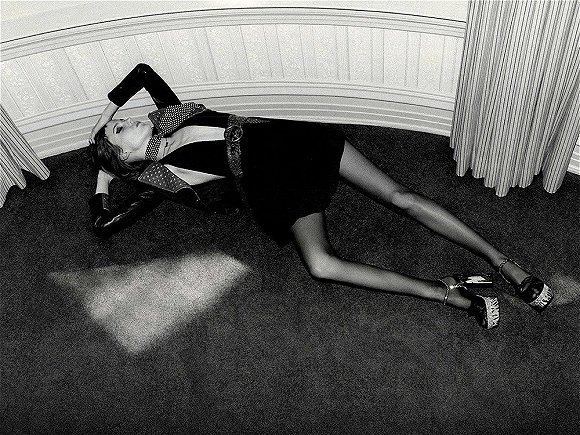
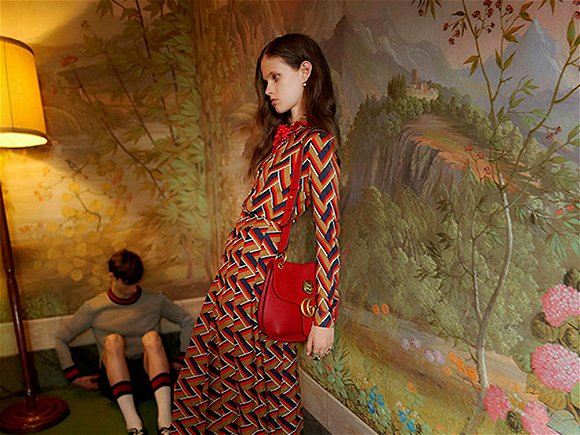
As of now, there are no relevant regulations in the UK. However, the Advertising Regulatory Authority took on the task of investigating, and Saint Laurent's 2015 spring and summer campaign was banned from being published in the British media due to the "unhealthy" too thin image of the model. In the picture, the model's ribs are very obvious, and her thighs and knees are the same thickness. Similarly, a Gucci advertising blockbuster in December last year was also criticized: "The expression on the model's face is gloomy, and the makeup on her face is dark, especially around the eyes, making her look haggard."