
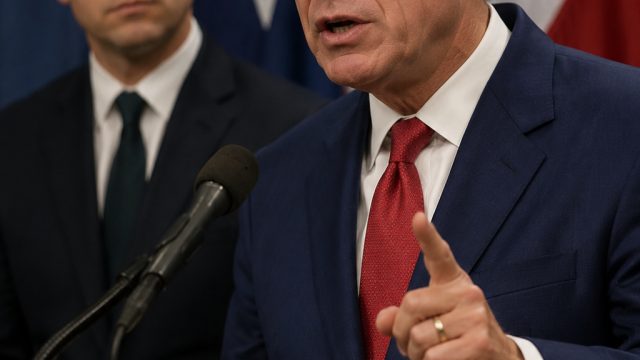
The political landscape in Texas has recently heated up as Attorney General Ken Paxton publicly criticized State Representative James Talarico. This controversy revolves around Talarico's votes on various tax break initiatives, a topic that is igniting discussions across the state. Understanding the implications of this dispute is crucial, especially for residents concerned about fiscal policy and government accountability.
The Context Behind the Criticism
Talarico, who represents a district known for its diverse population and economic challenges, has taken a stand favoring certain tax incentives aimed at boosting local businesses. However, Paxton describes Talarico's approach as misguided and detrimental to the state’s financial health. This clash not only highlights their differing political ideologies but also underscores larger questions regarding the role of tax breaks in Texas.
Why Tax Breaks Matter Now
Tax incentives have always been a contentious issue in Texas. With the economy still navigating the post-pandemic landscape, the stakes are higher than ever. Here are a few reasons why this debate is timely:
- Economic Recovery: As businesses rebound from COVID-19, the nature of tax incentives could either bolster recovery or hinder it.
- Budget Allocations: With state budgets tightening, tax policies will directly impact public funding for essential services.
- Voter Sentiment: Public opinion around government spending is shifting, making this an opportune moment for political figures to align with their constituents' priorities.
Paxton's Perspective on Tax Breaks
Ken Paxton's criticism of Talarico extends beyond mere political rivalry. He argues that the tax breaks in question may disproportionately benefit larger corporations at the expense of small businesses and taxpayers. Paxton believes that the focus should shift towards fostering a more equitable economic environment.
The Consequences of Tax Break Policies
When evaluating the implications of tax breaks, it’s essential to consider the long-term effects on the community:
- Impact on Small Businesses: Larger corporations often have more resources to capitalize on tax breaks, potentially sidelining local enterprises.
- Revenue Shortfalls: Tax incentives can lead to reduced state revenues, impacting funding for schools, roads, and healthcare.
- Economic Inequality: When tax policies favor the wealthy, the gap between socioeconomic classes can widen, leading to community unrest.
Talarico's Defense and Public Response
In response to Paxton’s criticisms, Talarico defended his votes as necessary for promoting economic growth in his district. He argues that tax breaks are vital for attracting investment and creating jobs, particularly in areas that have been historically underfunded.
Community Reactions
The public’s response to this political dispute has been mixed, with some supporting Talarico’s approach while others echo Paxton’s concerns. Local business leaders and constituents are voicing their opinions, demonstrating how tax policies can influence voter sentiment ahead of upcoming elections.
The Bigger Picture: Looking Ahead
As this debate continues, it serves as a crucial reminder of the influence of tax policies on everyday life in Texas. The outcomes of these discussions could shape the future of fiscal policy in the state, affecting everything from job creation to public services.
What’s Next for Texas Politics?
With the 2024 elections approaching, both Paxton and Talarico are likely to face increased scrutiny from constituents as their opposing views on tax breaks become focal points in their campaigns. The implications of their strategies will extend beyond mere political rivalry, influencing how voters perceive government accountability and economic equity.
Conclusion
The clash between Ken Paxton and James Talarico over tax breaks is more than a mere political spat; it encapsulates the broader challenges facing Texas today. As economic recovery efforts continue, understanding these issues is vital for Texas residents who wish to stay informed about how tax policies will affect their lives and livelihoods in the months and years to come.
