
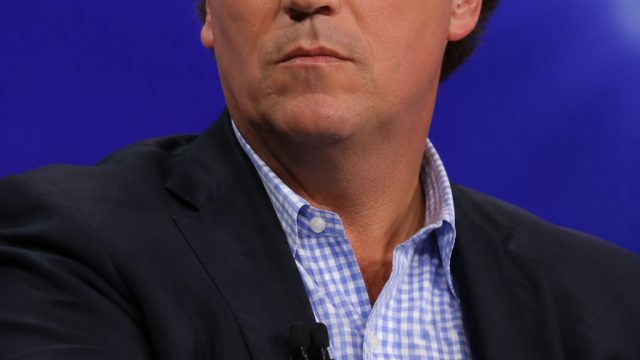
In a surprising turn of events, prominent media personality Tucker Carlson has announced his decision to sever ties with the Republican Party. This bold move has raised eyebrows and sparked discussions among political analysts and party supporters alike. Carlson, known for his provocative commentary on Fox News, has articulated his reasons for this decision, prompting many to wonder what this means for the future of the Republican Party and American politics as a whole.
The Shift in Carlson's Political Landscape
In a recent statement, Carlson expressed disillusionment with the party's current trajectory. The political landscape has shifted dramatically since the last presidential election, and many within the party are grappling with how to adapt to changing voter sentiments. Carlson's withdrawal reflects a growing sentiment among some conservatives who feel that the party is distancing itself from its core principles.
The Reasons Behind the Withdrawal
- Discontent with Leadership: Carlson has been vocal about his frustrations regarding the leadership within the Republican Party, particularly in how they have handled key issues over the past few years.
- Shifting Voter Demographics: The demographics of the American electorate are changing, and Carlson believes that the party is not doing enough to resonate with younger voters.
- Desire for Authenticity: Many supporters have expressed a need for authenticity and a return to foundational conservatism, a theme that Carlson echoes in his critiques.
Impact on the Republican Party
The ramifications of Carlson's departure could be significant for the Republican Party. As a prominent figure, his influence has shaped conservative discourse, and his absence may lead to a fragmentation of support among the right-wing base. Some analysts predict that this could affect election outcomes, especially in crucial battleground states.
Potential Consequences
- Loss of Support: Carlson's following may lead to diminished enthusiasm among voters who previously aligned with the party but now feel alienated.
- Opportunity for New Leadership: This might create an opening for emerging conservative voices who can better engage with the electorate's evolving concerns.
- Re-evaluation of Policies: The Republican Party may need to reassess its stance on various issues to regain the trust of its base.
The Future of American Politics
As Carlson steps away from the Republican Party, it invites speculation about the future of American politics. The interplay between media figures and political entities is a complex dance, and Carlson's move could inspire others to rethink their affiliations. With the 2024 elections on the horizon, candidates will be watching closely to understand the shifting tides.
What This Means for Voters
For the average voter, Carlson's departure serves as a wakeup call about the importance of political engagement and the need to hold representatives accountable. The evolving dynamics within the Republican Party highlight the necessity for voters to remain informed and active in shaping policies that align with their values.
Conclusion
Tucker Carlson's decision to withdraw support from the Republican Party is more than a personal choice; it reflects broader trends in American society and politics. As the political landscape continues to evolve, both the Republican Party and its constituents must navigate these changes with clarity and purpose. The coming months will be critical in determining how this shift will influence the party's direction and the electoral landscape in the United States.
