
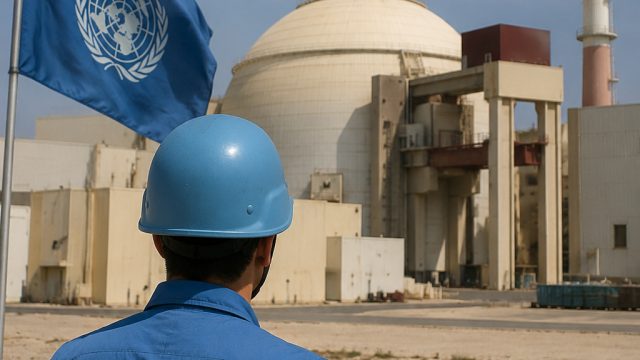
A groundbreaking agreement between the United States and Iran has paved the way for U.N. inspectors to examine nuclear facilities in Iran. This development comes amid escalating tensions and ongoing discussions about nuclear proliferation and international safety. The significance of this agreement cannot be overstated, as it marks a pivotal moment in U.S.-Iran relations and global security.
Understanding the Context of the Agreement
The U.S.-Iran nuclear deal, initially formed in 2015, was aimed at curtailing Iran's nuclear capabilities in exchange for lifting economic sanctions. However, the landscape has changed, with both sides often expressing conflicting perspectives on commitments and obligations. Recently, numerous reports have emerged suggesting that U.N. inspectors will be granted access to various Iranian nuclear sites, providing a much-needed layer of transparency.
What Led to the Current Situation?
- The U.S. withdrawal from the agreement in 2018 under President Trump has significantly altered diplomatic relations.
- Iran's gradual scaling back of compliance has raised concerns about its nuclear ambitions.
- Recent diplomatic efforts have rekindled discussions about nuclear inspections, highlighting the need for international oversight.
Why U.N. Inspections Matter Now
The impending U.N. inspections are crucial for several reasons. First and foremost, they serve as a mechanism to ensure that Iran adheres to its commitments under the deal and does not pursue nuclear weapons capabilities illicitly. This is especially pertinent given the complex geopolitical landscape of the Middle East and the potential for nuclear arms races in the region.
The Potential Impacts
- Enhanced Transparency: The presence of U.N. inspectors is expected to foster greater transparency regarding Iran's nuclear activities.
- Regional Stability: By ensuring compliance, the inspections can contribute to broader regional stability and alleviate tensions among neighboring countries.
- International Relations: Successful inspections may lead to a thaw in relations between the U.S. and Iran, providing a pathway for future negotiations.
Challenges Ahead
Despite the positive prospects of these inspections, significant challenges remain. Iran has expressed skepticism about the full extent of their commitments to allowing inspections. Furthermore, varying interpretations of what constitutes compliance could lead to further disputes in the future. As diplomatic efforts continue, it is essential for all parties to engage in open dialogue to navigate these complexities.
The Role of International Community
The international community has a crucial role to play in facilitating this process. By supporting diplomatic negotiations and emphasizing the importance of nuclear non-proliferation, countries worldwide can contribute to global security. The involvement of global powers will be vital in ensuring that Iran adheres to its obligations and that the inspections proceed smoothly.
Conclusion: A Step Towards a Safer Future
In conclusion, the upcoming U.N. inspections of Iran’s nuclear facilities under the U.S. deal are a significant development in the ongoing narrative of international diplomacy and nuclear non-proliferation. As the world watches, this moment represents not just an inspection, but a crucial step towards a potentially safer future. The need for transparency and cooperation in global security remains paramount as nations navigate the complexities of nuclear diplomacy.
