
Introduction: The Controversy Over Exclusive Drug Access
The political landscape in the United States is rife with controversy, particularly surrounding claims made about former President Donald Trump's access to exclusive weight loss drugs. Recently, allegations surfaced suggesting that Trump may have received preferential treatment in accessing these medications. The White House has swiftly moved to address and deny these claims, emphasizing the integrity of the health care system and the accessibility of medications to all citizens.
Details of the Allegations
The rumors began circulating as various media outlets reported on Trump's health and wellness regimen, suggesting he had access to a weight loss drug not available to the general public. This sparked widespread discussion and concern over the ethical implications of preferential access to medications, especially for public figures. Critics argue that such access further highlights disparities within the health care system, where wealth and influence can dictate treatment options.
The White House's Denial
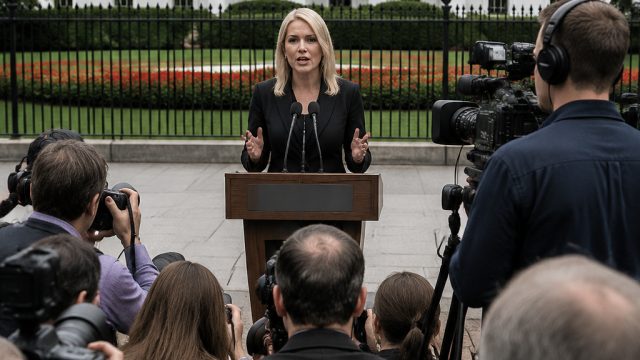
In a press briefing, White House representatives categorically denied that Trump had any special access to these medications. They reiterated that all pharmaceuticals, including those for weight loss, are subject to the same regulatory processes and that no individual, regardless of their status, receives preferential treatment. This statement aims to reassure the public that health care policies are designed to ensure equality and fairness.
Significance of the Claims
This situation underscores a broader issue within American health care concerning equity and access to treatment. With rising concerns about obesity and related health issues, the availability of effective medications is critical. The conversation around weight loss drugs is particularly timely, as more individuals seek solutions in the face of growing health challenges.
The Impact on Public Trust
- Public Perception: When prominent figures are alleged to have exclusive access to certain treatments, it can lead to a breakdown of trust in public institutions.
- Health Disparities: The claims may amplify discussions about health disparities, particularly among marginalized communities who may not have the same access to healthcare resources.
- Policy Implications: The reactions to these allegations could influence future health policies and regulations aimed at ensuring equitable access to medications.
Looking to the Future
As the situation develops, it will be essential to monitor how this controversy affects public opinion regarding health care policies and access to treatments. The White House's immediate response indicates a commitment to transparency and a willingness to address concerns head-on. However, ongoing discussions in American society about health care equity and the pharmaceutical industry are likely to continue.
Conclusion: A Call for Equity in Health Care
In conclusion, while the White House has denied the recent claims about Trump's access to exclusive weight loss drugs, the implications of this story extend beyond one individual. It brings to light important questions about health equity, trust in public institutions, and the need for a health care system that serves all citizens fairly. As discussions unfold, it is crucial for the public to engage in these conversations, advocating for a health care landscape that prioritizes accessibility and equality.
