
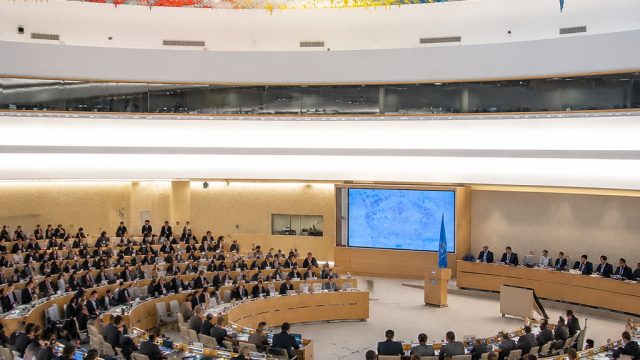
The 62nd session of the United Nations Human Rights Council recently took place in Geneva, bringing to the forefront critical discussions regarding environmental challenges and human rights. As climate issues increasingly affect global health and security, the intersection of environmental sustainability and human dignity emerges as a pressing topic of concern. This session provided an opportunity for nations to collaborate on solutions that can mitigate these urgent challenges.
Highlighting Environmental Rights
With the world facing unprecedented climate change effects, the UN emphasized the fundamental right to a healthy environment. This realization is crucial as it links environmental health to the rights of individuals and communities worldwide. The council's agenda included proposals aimed at reinforcing legal frameworks that protect these rights, encouraging member states to adopt policies that prioritize ecological balance and human welfare.
Emerging Legal Frameworks
- Strengthening existing laws on environmental protection.
- Promoting international agreements that advocate for a healthy environment.
- Encouraging citizen engagement in environmental governance.
Kicking Off Global Cooperation
International cooperation is more vital than ever in the fight against climate change. The session underscored the necessity for collaborative efforts among countries to address transnational environmental issues effectively. The discussions revealed that successful initiatives often rely on sharing resources, expertise, and innovative practices.
Tech Innovations in Environmental Protection
One of the standout elements from this year’s discussions was the focus on technological advancements that can aid in environmental preservation. Innovations ranging from renewable energy sources to smart sustainable infrastructures were highlighted as critical components in reducing carbon footprints. Countries were encouraged to invest in these technologies to enhance their local and global efforts.
Human Rights and Climate Action
The link between climate action and human rights was a significant theme throughout the session. Activists voiced concerns over how climate change disproportionately impacts marginalized communities and developing nations. The council acknowledged the need to integrate human rights into environmental policies to ensure equitable access to resources and justice.
Strategies for Inclusive Policies
- Implementing frameworks that consider the rights of all communities.
- Encouraging participation from local populations in decision-making processes.
- Ensuring that environmental policies are inclusive and equitable.
Future Initiatives and Commitments
The session concluded with a call to action for all member states to enhance their commitments to climate action. The need for ambitious, sustainable, and inclusive environmental policies is paramount. As the world grapples with ongoing climate challenges, the outcome of this session sets a vital precedent for future international relations and agreements.
Next Steps for Global Leaders
Leaders are expected to return to their countries with renewed vigor to implement the strategies discussed. This could include:
- Adopting stronger regulations on pollutants and greenhouse gas emissions.
- Enhancing educational initiatives on environmental issues.
- Prioritizing funding for sustainable development projects.
As we move forward, the UN Human Rights Council's commitment to addressing environmental issues is not just a necessary step but a moral imperative. By prioritizing the health of our planet and recognizing the inherent rights of individuals to a sustainable environment, we can pave the way for a more equitable and prosperous future for all.
Conclusion
The 62nd session of the UN Human Rights Council marks a turning point in how environmental issues are perceived at the international level. With a focus on human rights intertwined with climate action, the discussions serve as a roadmap for global cooperation and commitment. As nations grapple with environmental crises, it will be essential for them to integrate the lessons learned from this session into actionable policies that protect both the planet and its inhabitants.
