
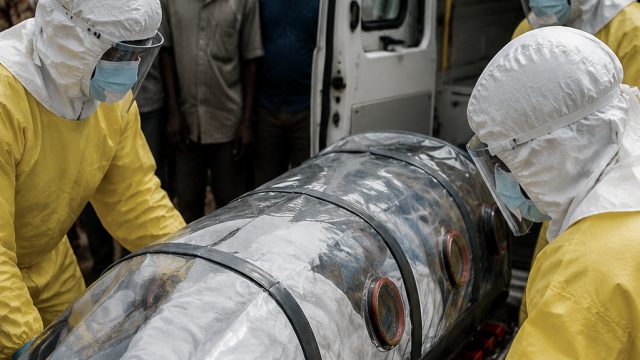
In a significant health alert, the French health ministry has confirmed a case of Ebola in an individual who had recently worked in the Democratic Republic of Congo. This alarming news comes at a time when global attention is tightly focused on infectious diseases, emphasizing the need for rigorous health measures and preparedness against potential outbreaks.
Understanding the Ebola Virus
Ebola virus disease (EVD) is a severe illness that can cause rapid death in those infected. The disease is caused by the Ebola virus, which is endemic in certain regions of Africa, particularly in areas where people have close contact with fruit bats and nonhuman primates. The current case in France raises important questions about the virus’s transmission and the preparations necessary for public health safety.
What We Know About the Current Case
- The patient is a French citizen who was recently employed in Congo.
- Health authorities are tracing contacts to contain potential spread.
- The patient is being treated in an isolation unit to prevent transmission.
This situation underscores the reality that even a single case can pose risks to public health, especially in a globalized world where travel can quickly facilitate the spread of infectious diseases.
Implications for Public Health
Given the interconnectedness of our world, the confirmation of an Ebola case in France highlights the importance of robust health systems worldwide. Countries need to be vigilant, especially those with international travel links to affected regions.
Preventive Measures and Preparedness
Health experts urge immediate action to mitigate risks associated with this case. Here are key preventive measures individuals and governments should consider:
- Enhanced surveillance at entry points such as airports.
- Educational campaigns to inform the public about recognizing symptoms.
- Immediate testing and isolation protocols for suspected cases.
- Collaboration with international health organizations for swift response.
The timely response to this incident is crucial in averting a larger outbreak. As the world continues to navigate health threats, the importance of preparedness cannot be overstated.
The Role of Social Media and Information Dissemination
In the age of information, social media plays a vital role in sharing knowledge about health crises. Updates regarding the Ebola case are spreading quickly across platforms, which can both inform and sometimes panic the public. It is crucial to rely on credible sources for accurate information to avoid misinformation.
How to Stay Informed
Follow these guidelines to ensure you are getting accurate health information:
- Monitor updates from the World Health Organization (WHO) and local health authorities.
- Beware of misleading headlines and check sources before sharing information.
- Engage with health professionals through webinars and live discussions to gain insights.
By staying informed, individuals can contribute to community safety and encourage healthy practices during such health alerts.
Conclusion
As the situation evolves, France's response to the confirmed Ebola case will offer insights into our global capacity for managing infectious diseases. The focus on health safety, public awareness, and international cooperation is paramount. By staying informed and prepared, we can collectively mitigate the impacts of such health emergencies. It’s a reminder of the critical nature of vigilance in global health.
