
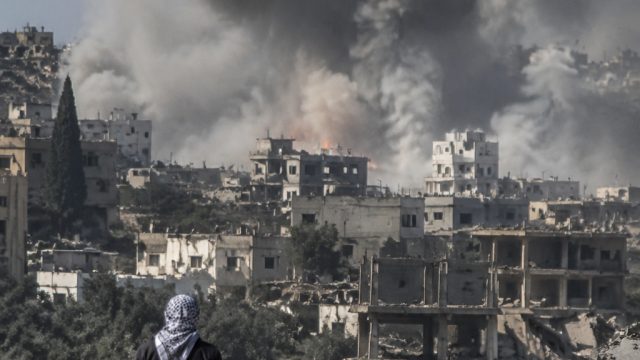
The fragile peace in South Lebanon has been jeopardized following a recent violation of the ceasefire by Israeli military forces. This incident, unfolding amidst a complex geopolitical landscape, poses critical questions about regional stability and the future of peace efforts in the area.
The Context of the Ceasefire
In the past weeks, tensions between Israel and Hezbollah have surged, prompting calls for renewed ceasefire agreements. The ceasefire, which was announced after intense skirmishes earlier this year, aimed to ease hostilities and promote dialogue. However, reports indicate that Israel has conducted military operations in the region, effectively undermining the terms of this fragile truce.
Recent Developments
- Date of Violation: Reports of the ceasefire violation emerged late last week, with Israeli forces allegedly carrying out airstrikes in southern Lebanon.
- Response from Hezbollah: Hezbollah has condemned these actions, stating that they will not tolerate further aggressions and will respond appropriately.
- International Reactions: The international community has expressed concern over the escalation, with various countries calling for immediate de-escalation and restraint from both parties.
Implications of the Breach
The breach of the ceasefire is not just a military issue; it has significant implications for the broader geopolitical dynamics in the Middle East. Analysts warn that this could lead to:
Increased Hostility
Both sides have historical grievances that can reignite at any moment. With Hezbollah vowing to retaliate, there is a risk of a cycle of violence that could engulf the region.
Impact on Regional Stability
Countries in proximity to Lebanon are closely monitoring the situation, as any increase in hostilities could destabilize borders and lead to humanitarian crises.
The Role of International Diplomacy
In light of the increased tensions, there have been calls for renewed diplomacy. Various international organizations and nations have been urged to step in and facilitate discussions aimed at restoring peace. The role of influential powers such as the United States and Russia will be crucial in mediating a resolution.
Efforts Toward Peace
- Previous Peace Talks: History shows that dialogue can lead to de-escalation. Recent talks were showing promise until this latest incident disrupted the process.
- Urgency for Action: Experts emphasize that immediate diplomatic action is required to prevent further escalation and to bring both parties back to the negotiation table.
Conclusion
The violation of the ceasefire by Israeli forces in South Lebanon represents a critical moment in Middle Eastern geopolitics. As tensions rise, the priority remains to restore peace through diplomatic engagement. The coming weeks will be pivotal, and the international community must act decisively to ensure that the cycle of violence does not resume. For now, the world watches and waits, hoping for a return to dialogue and stability in the region.
