
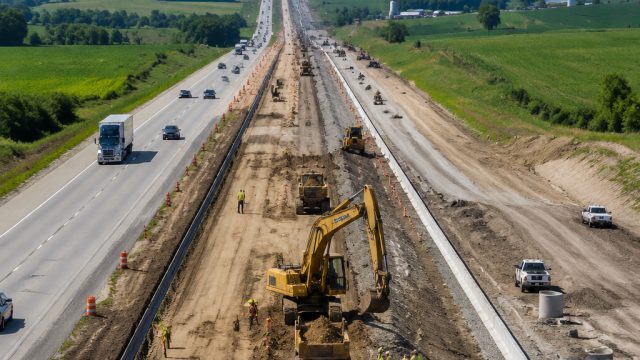
The state of Iowa has recently unveiled an extensive five-year highway plan designed to enhance infrastructure and improve transportation efficiency across the region. With an ever-increasing population and traffic demands, this plan is not only timely but essential for the future of Iowa's roadways. As residents and travelers alike prepare for the upcoming changes, a closer look at the funding, projects, and anticipated outcomes becomes critical.
Funding: How Iowa Plans to Support Infrastructure Growth
The foundation of Iowa's highway plan relies heavily on a combination of federal and state funding sources. This financial backing is pivotal for the execution of various projects aimed at maintaining and improving highway conditions. Major funding components include:
- Federal Highway Administration Grants: These grants are crucial for large-scale projects and infrastructure upgrades.
- State Allocations: Iowa's state budget has earmarked significant resources for highway maintenance and development.
- Local Partnerships: Collaborations with local governments and agencies enhance funding capabilities and project execution.
What This Means for Residents
The implications of this funding extend beyond mere road construction. Improved infrastructure leads to safer driving conditions, reduced travel times, and less wear and tear on vehicles. For residents, this means:
- Enhanced safety measures on highways
- Better access to rural areas and communities
- Increased economic opportunities as road access improves
Key Projects: What to Expect Over the Next Five Years
The five-year highway plan outlines several key projects that aim to address current road conditions while also preparing for future traffic needs. Notable initiatives include:
- Interstate Upgrades: Major upgrades to segments of Interstate 80 and Interstate 35 are on the docket, focusing on capacity enhancement and safety improvements.
- Urban Bypass Development: New bypasses in metropolitan areas to alleviate congestion and improve accessibility.
- Rural Road Improvements: Investments in rural roads to ensure connectivity between urban centers and outlying regions.
Anticipating Economic Boosts
These infrastructure developments are expected to spur economic growth in Iowa. Enhanced highways facilitate easier transportation of goods and services, which can lead to:
- Job creation in construction and related sectors
- Increased tourism as roadways become more accessible
- Growth in local businesses due to improved road access
Challenges Ahead: Navigating Construction and Public Concerns
Despite the promising outlook, the implementation of Iowa's highway plan is not without challenges. During construction phases, residents may face:
- Traffic delays and detours
- Potential disruptions to local businesses
- Concerns regarding environmental impacts
State officials are aware of these issues and are actively working to minimize disruptions. Public forums and informational sessions are being held to keep citizens informed and engaged throughout the process.
The Importance of Public Engagement
Public feedback is crucial for the success of Iowa's highway projects. Engaging with local communities helps tailor solutions to meet the specific needs of each area. This involvement fosters a sense of ownership and responsibility among residents, ensuring that everyone benefits from the improvements.
Conclusion: Looking Forward to a Safer and More Efficient Iowa
Iowa's five-year highway plan represents a significant investment in the state's infrastructure. As the projects roll out, the focus on enhancing safety, efficiency, and economic growth will benefit not just drivers, but the entire community. With construction set to begin soon, residents can look forward to a new era of improved travel and connectivity across Iowa. Keeping an eye on these developments will be essential for understanding the future landscape of transportation in the state.
