
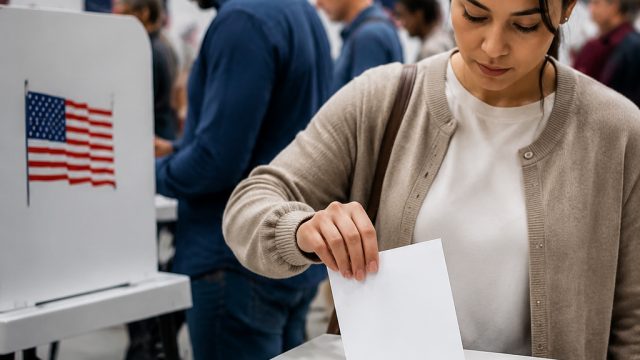
As we approach the significant 2026 primaries in New York, political experts are raising alarm bells about the implications these elections may have on the broader control of Congress. With the political landscape shifting and voter sentiment evolving, the Empire State's primaries are poised to play a critical role in determining the future of legislative power in the United States.
The Stakes are High
New York has historically been a battleground for political parties, often swaying the balance of power in Congress. The upcoming primaries could very well set the stage for which party controls not just the state, but potentially pivotal seats in the U.S. House and Senate. Recent polling indicates a fluid electorate, with voter priorities shifting towards issues like economic stability and healthcare.
Why New York Matters Now
- Demographic Changes: New York's diverse population brings varying perspectives, making it a microcosm of national voter sentiments.
- Key House and Senate Races: Several critical races are unfolding, with incumbents facing tough challengers who resonate with voter concerns.
- Impact of Local Issues: Local issues, such as housing and public safety, are driving voter engagement and could impact turnout significantly.
Voter Engagement and Turnout Trends
Political analysts are closely watching voter engagement levels leading up to the primaries. Historically, primaries see lower turnout than general elections; however, recent trends indicate that issues such as the economy and social justice are mobilizing younger voters and marginalized communities. Activism is on the rise, particularly among groups that feel their voices have been underrepresented in previous elections.
Strategies for Candidates
- Grassroots Campaigning: Candidates are increasingly relying on grassroots strategies to connect with voters directly, emphasizing community engagement.
- Digital Outreach: Social media platforms play a critical role in reaching younger demographics, which are crucial for winning the primaries.
- Issue-Based Messaging: Focusing on tangible issues that affect daily life resonates well with voters, making campaigns more relatable.
The Role of Party Dynamics
The internal dynamics of both major political parties are also significant in the lead-up to the primaries. As factions within parties vie for control, the primaries may become a battleground for ideological battles that could weaken the eventual nominee's position in the general election. Observers note that party unity will be crucial in ensuring that candidates can effectively challenge their opponents in the main election.
Challenges Facing Candidates
- Party Loyalty: Candidates must balance their platforms to appeal to both the party base and independent voters.
- Financial Constraints: Campaign financing is a significant hurdle, with many candidates struggling to raise enough capital.
- Media Scrutiny: The media landscape is more polarized than ever, with candidates facing intense scrutiny from all sides.
Looking Ahead: What to Expect?
As New York gears up for its primaries, expect an intensification of political campaigns as candidates seek to distinguish themselves from their opponents. The outcomes could have ramifications beyond state borders, influencing national policy debates and the overall direction of Congress. Voter turnout will be a critical component to watch, as high engagement levels could signal a shift in political power dynamics.
Conclusion: The Power of Participation
The 2026 primaries in New York are not merely a local affair; they are indicative of the larger national narrative. With the potential to reshape Congressional control, every vote matters. Engaged citizens will ultimately determine the success of their preferred candidates, making it imperative for voters to participate actively in the upcoming primaries. In times of political turbulence, informed decisions at the ballot box can lead to substantial change. This is why the 2026 primaries in New York are a vital moment for both the state and the country.
