
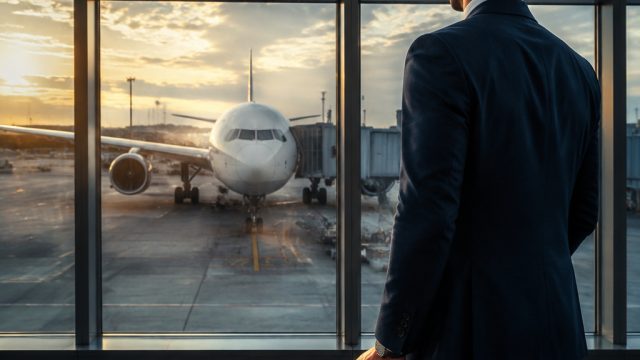
The excitement surrounding the World Cup transcends the field, influencing numerous sectors, particularly corporate travel. As businesses navigate a post-pandemic landscape, the global event is prompting new considerations and strategies for corporate travel management. Understanding these shifts is crucial for companies looking to optimize travel expenditures and maintain operational efficiency in 2023.
The Current Landscape of Corporate Travel
As travel restrictions ease and businesses begin to reintegrate travel into their operations, the World Cup serves as a focal point for many organizations. According to recent reports, travel management companies (TMCs) have noted a surge in travel bookings during this globally celebrated event. This trend is not just a fleeting spike; it reflects a broader shift in how and why companies are allocating resources for travel.
Understanding the Impact of Major Events
Major sporting events such as the World Cup have historically had a significant impact on corporate travel dynamics:
- Increased Travel Demand: The excitement of the World Cup spurs demand for flights and accommodations, driving prices upward. Companies are now competing for limited resources, urging them to finalize bookings sooner.
- Networking Opportunities: The tournament presents excellent networking opportunities for professionals, especially in industries closely linked to sports and entertainment.
- Global Brand Exposure: Companies with a stake in the event, whether through sponsorship or partnerships, often send teams to enhance their visibility and seize promotional opportunities.
Shifts in Corporate Travel Strategies
In light of the World Cup's influence, many businesses are rethinking their travel strategies. Factors include:
Adopting Flexible Booking Policies
Companies are increasingly adopting flexible booking policies to manage the unpredictable nature of travel during high-demand periods. This flexibility allows them to adapt quickly to changes, such as fluctuating prices or changes in attendee participation.
Investment in Travel Technologies
Organizations are leveraging technology to streamline travel management. Tools that facilitate real-time booking and expense tracking are becoming essential, enabling companies to react swiftly to market changes.
The Role of Corporate Culture in Travel Decisions
As businesses reassess their travel policies, corporate culture plays a pivotal role in decision-making. Employees value travel not just for work, but also for the unique experiences it offers:
- Team Building: Attending events like the World Cup fosters camaraderie and team spirit, strengthening internal relationships among employees.
- Employee Well-being: Investing in employee travel can significantly improve satisfaction and retention, as it provides opportunities for personal and professional growth.
Addressing Sustainability Concerns
With an increasing focus on sustainability, companies are also evaluating the environmental impact of their travel decisions. Many are seeking greener alternatives, such as:
- Choosing eco-friendly accommodations and transportation options.
- Implementing carbon offset programs for travel-related emissions.
Conclusion: Preparing for the Future of Corporate Travel
As the World Cup showcases the exciting potential of global events to influence business, companies must be proactive in adapting their corporate travel strategies. The lessons learned during this tournament will likely set the tone for future travel management approaches. By understanding these trends and prioritizing flexibility, technology, and sustainability, businesses can navigate the complexities of corporate travel in a post-COVID world, ensuring that they are well-positioned for both the challenges and opportunities that lie ahead.
As we gear up for the upcoming World Cup, business leaders should consider how they can leverage this unique time to not only enhance their travel strategies but also contribute positively to their corporate culture and environmental goals.
