
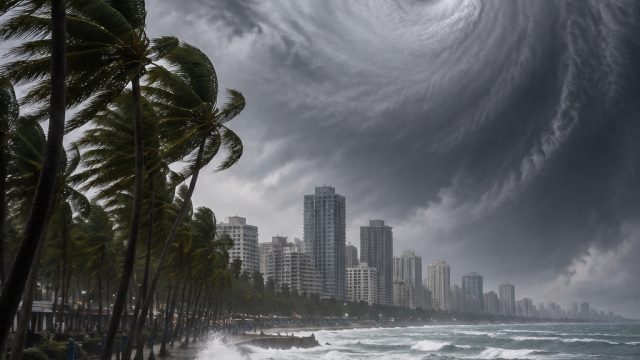
As the Philippines braces for severe weather, the DOST-PAGASA has issued an urgent briefing regarding Typhoon Francisco and Tropical Storm Higos. Understanding the details surrounding these weather systems is crucial for residents and stakeholders in affected regions. Here, we delve into the implications of these storms and what you need to do to stay safe.
The Current Situation
At 5:00 a.m. local time, DOST-PAGASA provided a detailed report on the status of Typhoon Francisco, known as Mekkhala, as well as the pre-declaration of Tropical Storm Higos. Weather Specialist Chanel Dominguez highlighted that Francisco is currently situated east of the Philippine archipelago, showing signs of significant development.
Typhoon Francisco: What We Know
- Location: East of the Philippine Sea, tracking westward.
- Wind Speeds: Maximum sustained winds currently at 150 km/h.
- Expected Landfall: Projected to make landfall within the next 24 hours in Eastern Visayas.
Residents in areas likely to be hit should prepare for heavy rainfall and strong winds. Flooding and landslide risks are heightened, especially in mountainous and coastal regions.
Tropical Storm Higos: Emerging Threat
As a precursor to the incoming weather patterns, Tropical Storm Higos presents its own set of challenges. Though it is weaker than Francisco, it poses a potential risk of flash floods in low-lying areas.
Key Information on Higos
- Current Status: Tropical Storm with sustained winds of 60 km/h.
- Location: Moving towards the Philippines, expected to arrive shortly after Francisco.
- Risks: Increased rainfall leading to possible flooding.
Residents along the coastal areas should remain vigilant and monitor updates from local authorities and weather agencies.
Preparedness Measures
With the threat of both Typhoon Francisco and Tropical Storm Higos looming, preparedness is key. Here are steps you can take to ensure your safety:
- Stay Updated: Regularly check updates from DOST-PAGASA and local weather stations.
- Secure Your Property: Reinforce windows and doors, and secure outdoor items that could become projectiles in strong winds.
- Emergency Kits: Prepare emergency kits that include food, water, medications, and first aid supplies.
- Evacuation Plans: Know your evacuation routes and have a plan in place in case you need to leave your home.
Staying informed and prepared can make a significant difference in ensuring your safety during these intense weather events.
Conclusion
The imminent approach of Typhoon Francisco and Tropical Storm Higos is a stark reminder of the unpredictable nature of tropical weather systems in the Philippines. As we monitor these storms, it is essential for everyone to take proactive measures to ensure their safety and that of their loved ones. Keep an eye on official weather updates and heed the advice of local authorities. Your safety is paramount.
