
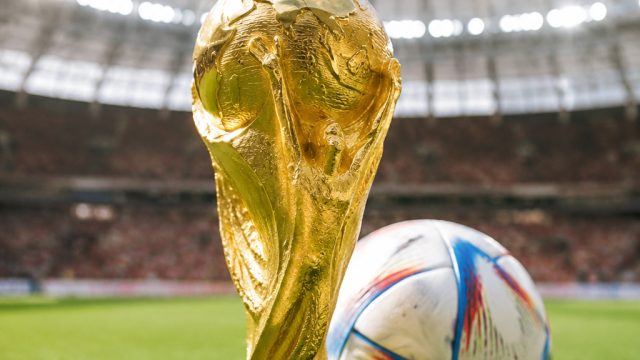
The 2026 FIFA World Cup is set to break new ground with an expanded format that promises to add excitement and more competitive balance to the tournament. As the world's most celebrated sporting event prepares to kick off in a few short years, fans are eager to understand how these changes will impact the competition, particularly regarding third-place standings and tiebreaker rules.
The Expansion of the World Cup: What to Expect
For the first time, the World Cup will include 48 teams, an increase from the traditional 32. This shift means that the tournament will now be organized into 12 groups, each containing four teams. The increase in participating nations not only enhances global representation but also intensifies the competition from the start.
The Structure of the Tournament
- 12 groups of 4 teams each
- Top two teams from each group advance to the knockout stage
- Eight best third-place teams also qualify for the knockout stage
This new structure is poised to create more thrilling matches and unexpected challenges, as teams that might have been eliminated in previous formats will now have a second chance to advance.
Tiebreaker Rules: A New Approach
With more teams in the running, the necessity for fair and clear tiebreaker rules has become even more crucial. Understanding these regulations will be key for fans tracking their favorite teams throughout the tournament. Here’s how the tiebreaking process works:
Key Tiebreaker Criteria
- Points: Teams earn three points for a win, one point for a draw, and none for a loss.
- Goal Difference: The difference between goals scored and goals conceded will be used if teams are level on points.
- Goals Scored: The total number of goals scored by the teams will come into play if goal difference is equal.
- Head-to-Head Results: If teams are still tied, the result of the match between the two teams will be considered.
- Fair Play Points: This factor will take into account yellow and red cards received by each team.
- Drawing of Lots: If all else fails, a lottery will be held to determine rankings.
This clear and structured approach ensures that all teams have a fair chance while also providing fans with exciting matchups to anticipate as the tournament progresses.
Why This Matters Now
As the 2026 World Cup approaches, understanding these new formats and rules is vital for fans and analysts alike. With major competitions on the horizon, how teams adapt to these changes could influence their preparation strategies and overall performance. The spotlight on international soccer is intensifying, with many looking forward to the next generation of stars who will shine on the global stage.
The Global Impact of the World Cup
The expansion of the World Cup will also serve to enhance the tournament's global appeal, fostering a sense of unity among nations competing for soccer's top honor. Countries with emerging talent will have the opportunity to showcase their skills, while seasoned giants will be challenged in ways they never were before.
Conclusion: Ready for the Challenge
The 2026 FIFA World Cup, with its revamped format and tiebreaker rules, is set to be a historic event in the realm of sports. As teams prepare to compete, fans worldwide are eager to witness how these changes will influence gameplay and outcomes. Get ready to revel in the excitement, as this edition of the tournament promises to deliver unforgettable moments, fierce rivalries, and the possibility of new champions emerging on the world stage.
