
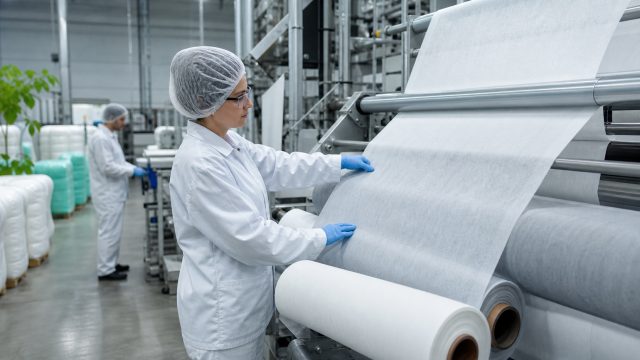
The nonwoven fabrics sector is witnessing a remarkable transformation as key players continue to innovate and expand their offerings. This evolution is vital for various applications, from medical supplies to construction materials. In this article, we delve into the companies leading the charge in this essential industry, highlighting their contributions and the significance of their advancements.
The Role of Nonwoven Fabrics in Modern Applications
Nonwoven fabrics are integral to numerous industries due to their versatility and functionality. Unlike traditional woven fabrics, nonwovens are engineered through a variety of processes, including bonding fibers together with heat, chemicals, or mechanical means. This unique fabrication method allows for the creation of materials tailored to specific performance requirements.
Key Applications Driving Demand
- Medical and Hygiene Products: Nonwovens are essential in making surgical gowns, masks, and hygiene products, providing critical barriers against contaminants.
- Automotive Industry: They are used for interior components such as sound insulation and upholstery, enhancing comfort and safety in vehicles.
- Construction Materials: Nonwoven geotextiles play a crucial role in soil stabilization and erosion control.
Leading Companies Shaping the Future of Nonwoven Fabrics
As the demand for nonwoven fabrics continues to grow, several companies stand out for their innovative approaches and commitment to quality. Here are some of the leading players in the industry:
1. DuPont
DuPont has been a pioneer in the nonwoven fabrics market, known for its innovative technologies such as Tyvek. Their focus on sustainability and high-performance materials positions them as a leader in technical textiles.
2. Freudenberg Group
With a diverse range of applications, Freudenberg specializes in nonwovens for automotive, medical, and filtration technologies. Their commitment to R&D ensures they remain at the forefront of innovation.
3. Ahlstrom-Munksjö
This company is recognized for its sustainable solutions in nonwoven fabrics, particularly in the hygiene and medical sectors. Ahlstrom-Munksjö emphasizes eco-friendly practices while maintaining high-quality standards.
Emerging Trends in the Nonwoven Fabrics Market
As technology advances, the nonwoven fabrics industry is witnessing several noteworthy trends that are shaping its future:
1. Sustainability Initiatives
With increasing environmental concerns, companies are investing in sustainable production methods and materials. This shift not only meets consumer demand but also helps in regulatory compliance.
2. Technological Innovations
Advancements such as nanofiber technology and smart fabrics are pushing the boundaries of what nonwoven materials can achieve, leading to enhanced performance and new applications.
3. Market Expansion
The global nonwoven fabrics market is projected to expand significantly, driven by rising demand in emerging economies for healthcare, automotive, and construction applications. Companies are strategically positioning themselves to capture opportunities in these growing markets.
Conclusion: The Future of Nonwoven Fabrics
As we analyze the current landscape of the nonwoven fabrics industry, it is clear that innovation and sustainability are key drivers of growth. The companies leading this charge are not only reshaping the textiles market but also setting new standards for quality and environmental responsibility. Staying informed about these developments is crucial for stakeholders across various sectors, as nonwoven fabrics increasingly become a cornerstone of modern manufacturing.
