
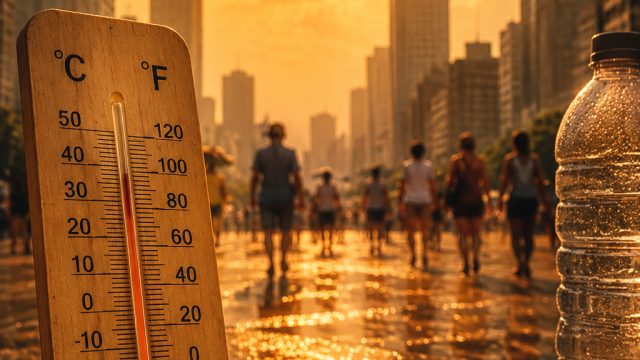
The summer of 2026 is shaping up to be one for the history books, with soaring temperatures reminiscent of the infamous summer of 1976. As the world grapples with the consequences of climate change, understanding how these two summer extremes compare is crucial for our future.
Historic Context: The Summer of 1976
The summer of 1976 is often cited as one of the hottest in British history. Lasting from June to August, it brought unprecedented heatwaves across Europe, particularly in the UK, where temperatures soared to 34°C (93°F) and beyond. This period was characterized by:
- Severe Drought: The lack of rainfall during this season led to widespread crop failures and water shortages.
- Health Risks: The heatwave resulted in increased health concerns, particularly among vulnerable populations.
- Economic Impact: The agricultural sector faced significant losses due to the prolonged dry conditions.
2026: A New Benchmark for Heatwaves
Fast forward to 2026, and many regions are experiencing a heatwave that not only approaches but surpasses the conditions witnessed in 1976. Here are some key points about the current climate crisis:
- Record Temperatures: Reports indicate that several cities have recorded temperatures exceeding those of 1976, raising alarms about the accelerating pace of climate change.
- Increased Frequency: Heatwaves are occurring more frequently, and their durations are extending, prompting discussions about adaptation strategies.
- Public Health Concerns: Just as in 1976, health professionals warn of the dangers posed by extreme heat, emphasizing the need for public awareness and preparedness.
Comparative Analysis: 1976 vs. 2026
To understand the implications of the current heatwave, it is essential to compare it to the summer of 1976:
- Duration of Heat: While 1976's heatwave lasted several months, 2026's extreme temperatures are expected to continue, with forecasts suggesting prolonged high heat well into the fall.
- Climate Change Factors: The heatwave of 1976 occurred in a pre-climate awareness era, whereas 2026's heat is attributed to human-induced global warming, making it a more pressing issue.
- Response Measures: Today, governments and organizations are better equipped with data and technology to respond to heat events, though challenges remain in execution and public compliance.
What Does This Mean for the Future?
The similarities and differences between these two landmark summers highlight the urgent need for action against climate change. As the frequency and severity of heatwaves increase, several implications arise:
- Policy Development: Governments must prioritize climate policies that promote sustainability and climate resilience.
- Community Education: Public awareness campaigns are critical in preparing communities for the effects of extreme weather.
- Research Initiatives: Continued research into climate science is essential for developing innovative solutions and predicting future climate events.
Preparing for the Impact
As we look towards the future, it's vital to draw insights from past heatwaves to better navigate the challenges ahead. Preparation can take many forms:
- Urban Planning: Cities should incorporate green spaces and reflective materials to mitigate heat absorption.
- Healthcare Strategies: Systems must be in place to protect vulnerable populations during extreme heat events.
- Community Resilience: Fostering community networks can provide support during emergencies caused by heatwaves.
Conclusion
The heatwave of 2026 serves as a stark reminder of the warming climate, drawing parallels with the renowned summer of 1976. As we confront this ongoing challenge, understanding the historical context, current implications, and future strategies is essential for fostering a sustainable and resilient society. The lessons learned from these extreme weather events are integral to shaping our response to the climate crisis moving forward.
