
This article is reprinted with permission from the public account "Utopia imaginenist" (id: lixiangguo2013)
Xiao Quan's new book "Photographing China with Marc Riboud" was published in July. I have been reading this photo and text record intermittently over the past two days, and I have a lot of feelings.
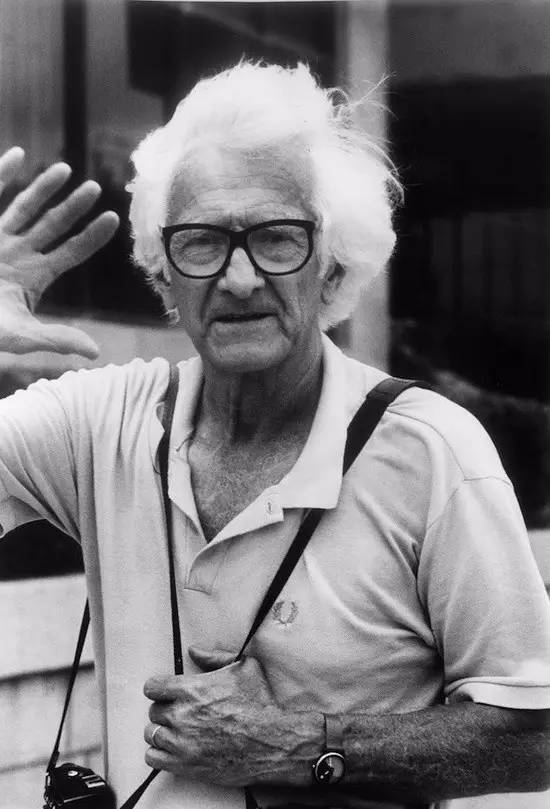
Marc Riboud's photo taken by Xiao Quan, this photo was used by Marc Riboud on many occasions. In 1993, Xiao Quan became Marc Riboud's assistant by chance, starting a relationship of master, apprentice and friend for more than 20 years.
In China, Mark Riboud has always been talked about as the father of documentary photography and enjoys a supreme status. He came to China as many as 22 times. At the end of 1956, on the train from Hong Kong to Guangzhou, Mark Riboud took his first photo in China; in March 2010, his retrospective exhibition "The Moment of Intuition" was held at the Shanghai Art Museum. The speech was attended by enthusiastic fans. It almost caused a riot, but during the break of the exhibition, the 87-year-old still braved the severe cold and climbed to the roof of the Shanghai building early in the morning. With trembling hands, he continued to record the country he had loved for more than half a century, even though he knew that he would no longer have the physical strength to photograph China in the future.
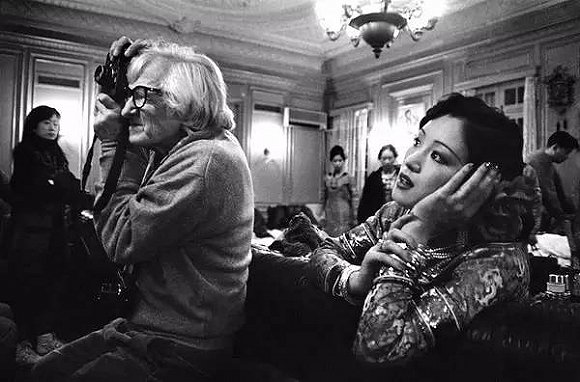
In 1995 in Shanghai, the crew of "Shake, Shake, Shake to Grandma Bridge", Marc Riboud was taking photos, and next to him was a curious Gong Li. Photographed by Xiao Quan
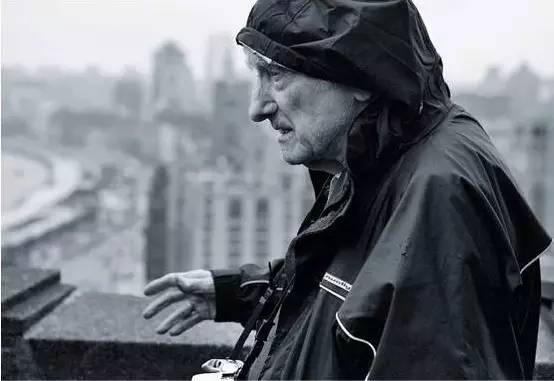
Shanghai in 2010, "That day, the sky in Shanghai was filled with dark clouds and rain kept falling. Mark insisted on going to the Shanghai Tower to take pictures of Pudong across the river. ... He was so excited. Usually his hands would shake, but when he picked up the camera, it didn't shake at all." Photographed by Xiao Quan
Mark Riboud's photos not only record China's transformation from the "Mao Era" to the "Deng Era", but also record the complex changes in his feelings towards the country. Looking at his photos from the "Mao era", despite the poverty and turmoil, you can often feel the tenderness and kindness of the camera. However, the photos from the "Deng era" are full of confusion and anxiety. Comparing the two, you can clearly understand the inseparable complex of some Western intellectuals towards traditional Chinese civilization. Mark Riboud has written more than once about his conflicting feelings about the rapidly changing China:
“China is loved by people precisely because of the constancy of its cultural traditions, but now it is rapidly ‘Westernizing’ in the process of modernization, and the ancient oriental culture is becoming aA caricature of Western culture, China is changing from the geographical Far East to the cultural ‘Far West’. ”
“The market economy has enabled China to create an economic miracle that the world admires, and has sent countless Chinese people to the holy mountain of consumerism. At the same time, the beauty of ancient culture is disappearing before our eyes. But at this time, no one in China, even those who are in a poor economic situation, wants to go back to the era of Mao Zedong. Do we still have the right to be sentimental about it? ”
Today’s WeChat content is quite long, but it is still only a very small part of Marc Riboud’s Chinese images. Most of the pictures and captions are from the official website of Magnum Photo Agency. Some of the long captions are quoted from Mr. Nan Wuai’s book "Photography of the East: Important Western Photographers in China since Modern Times". There are also many references in the arrangement process.
From the Mao era to the Deng era
China through the lens of Marc Riboud
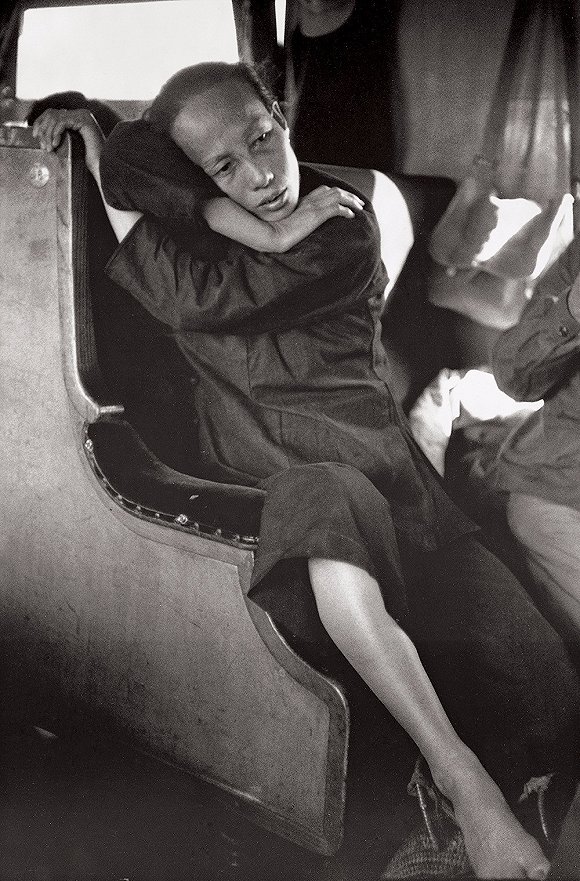
At the end of 1956, on the train from Hong Kong to Guangzhou
▲This is the first photo I took in China. This was taken at the end of 1956, on a train from Hong Kong to Guangzhou, while crossing the border. In other words, I took it as I was passing from one world to another. Judging from the luggage she carried, this woman in black was a farmer, although her mature beauty made people think she lived in the city. People see people in some parts of Asia who have no human dignity at all. They are often in a state of complete abandonment, and this photo immediately completely changes this impression.
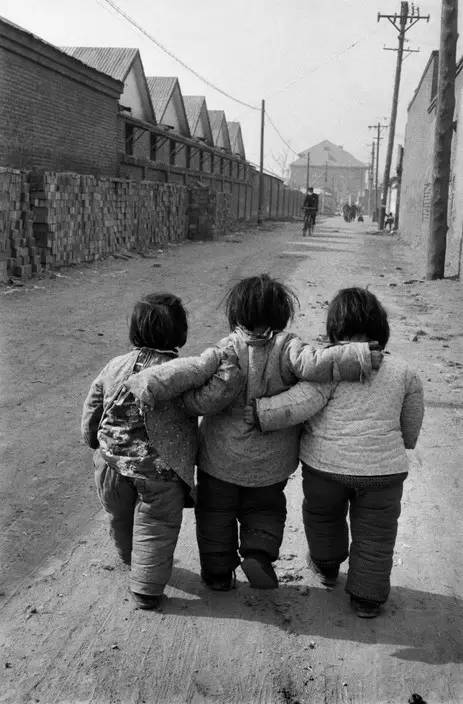
Beijing, three children on a cold street, 1957
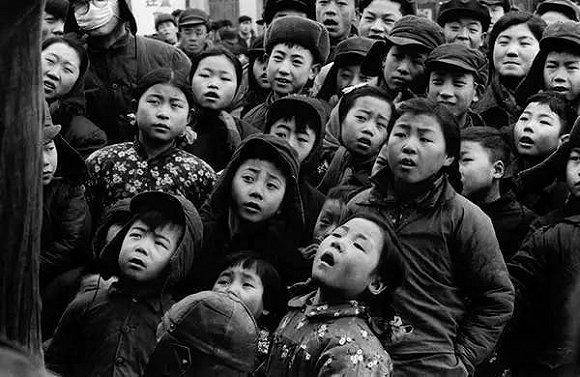
Beijing, many children were fascinated by the shadow puppet show on the overpass, 1957
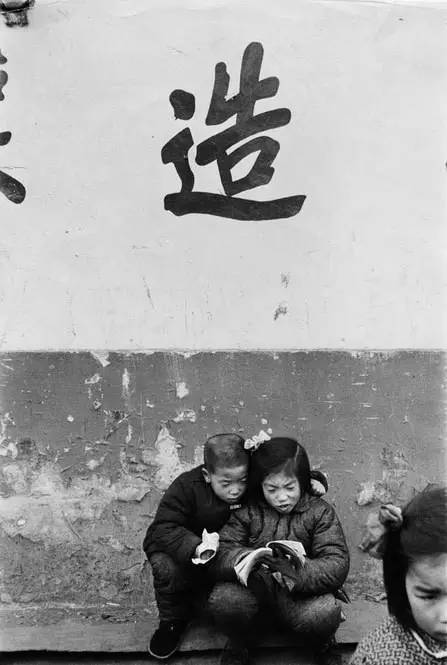
Beijing, a child fascinated by reading a novel, 1957
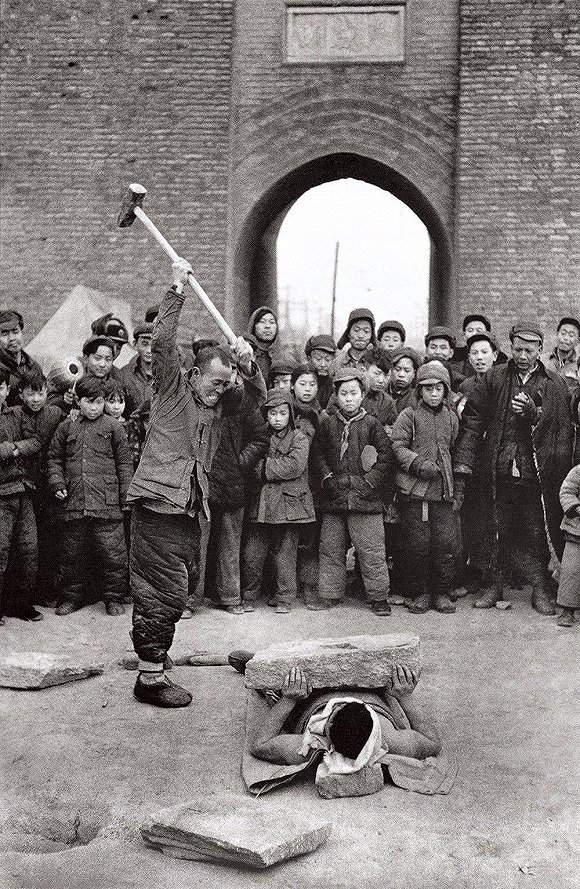
Beijing, 1957
▲Walking around the alleys in Beijing, I encountered many surprising things and learned about what China was like in the past. Such as thisWhat was obviously a form of torture for children was treated as entertainment; it was through this scene that I learned what qigong was. The person under the big rock successfully withstood the blow of the hammer through the energy sinking in his Dantian. In this scene, I saw with my own eyes that the big stone was smashed, and the people below stood up.
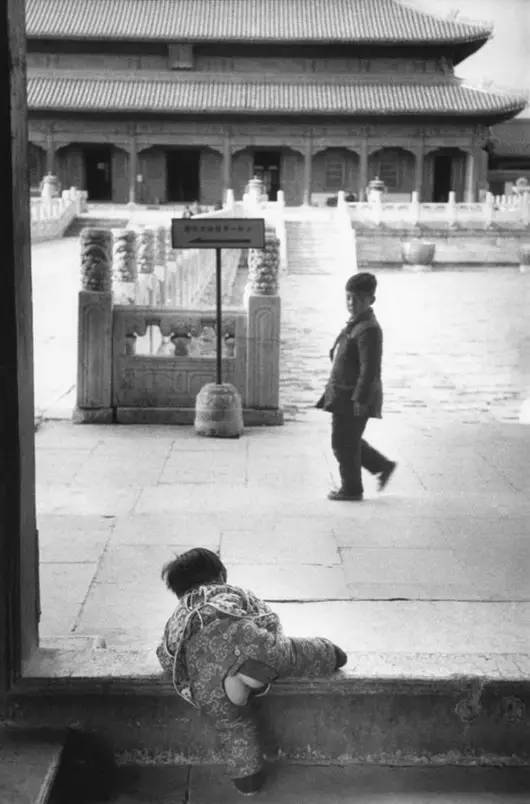
Beijing, Forbidden City, 1957
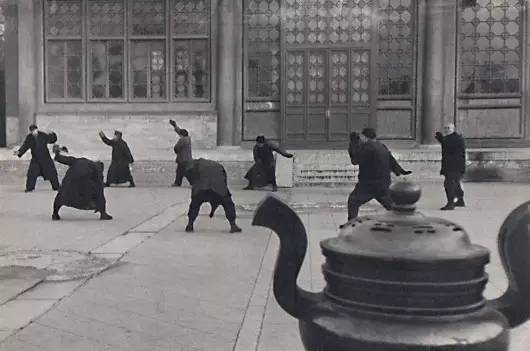
Beijing, Forbidden City, 1957
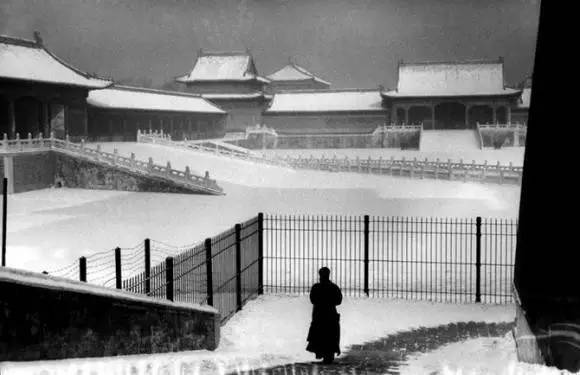
Beijing, Forbidden City, 1957
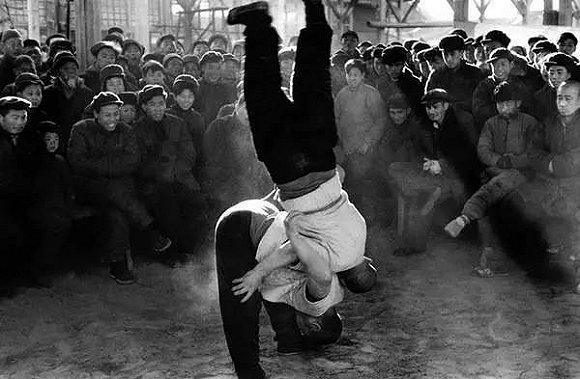
Beijing, people watch two wrestlers wrestling with great interest, 1957
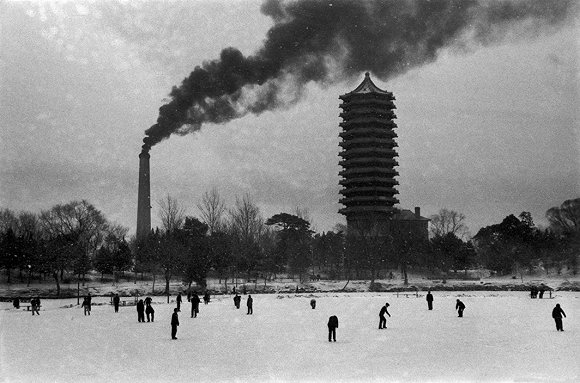
Peking University, 1957
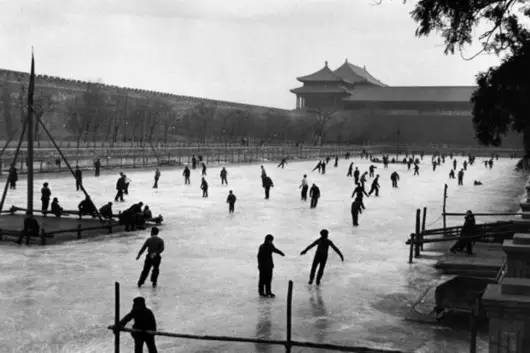
Beijing, skating on the frozen river near the Forbidden City. Physical exercise and industrial development were equally important slogans, 1957
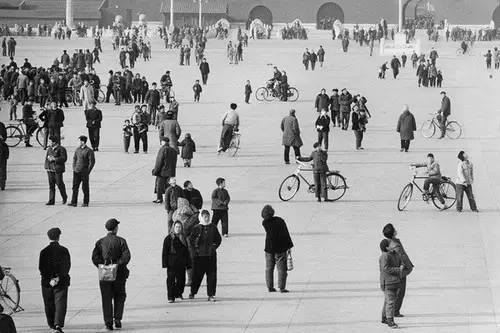
Beijing, Tiananmen Square, 1957
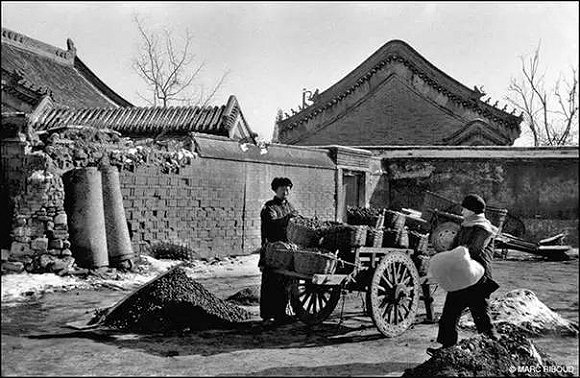
Beijing, 1957
▲In 1957, Beijing was just a big village with crisscrossed alleys. The height of residential buildings here is prohibited from exceeding the height of the Forbidden City wall - who dares to compete with the emperor? Such building bans make Beijing, despite its size and all its quirks, a pleasant place. You can hear the shouts of various small businessmen on the street, those who sharpen knives and scissors, install glass, and mend pots and basins, each with his own tone. There are dragon-shaped decorations on the eaves and ridges, marking this as a royal residence. In fact, the purpose is justJust to scare away evil spirits.
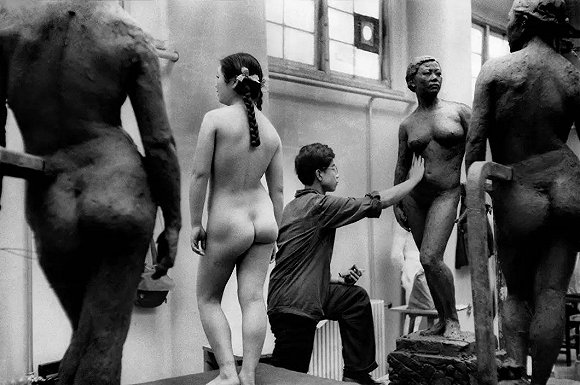
Beijing Academy of Fine Arts, 1957
▲Mao Zedong strictly prohibited all nude models. They were considered to be a reflection of decadent and decadent capitalism. Only this classroom had nude models left.
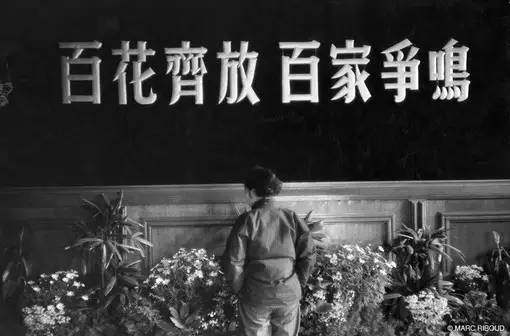
Beijing, 1957
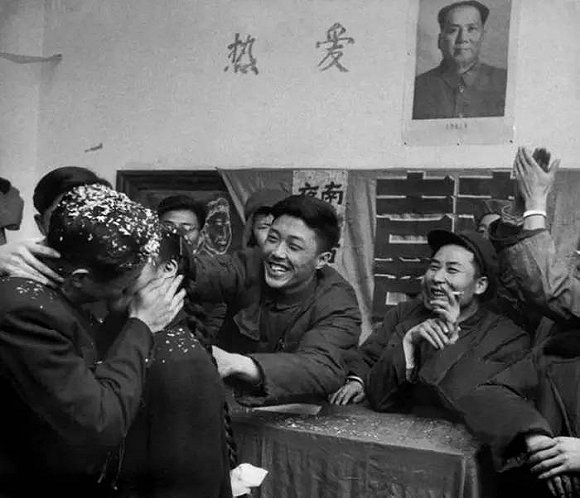
Beijing, marriage, 1957
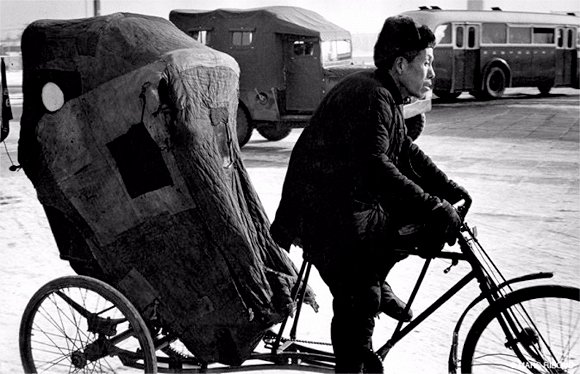
Beijing, 1957
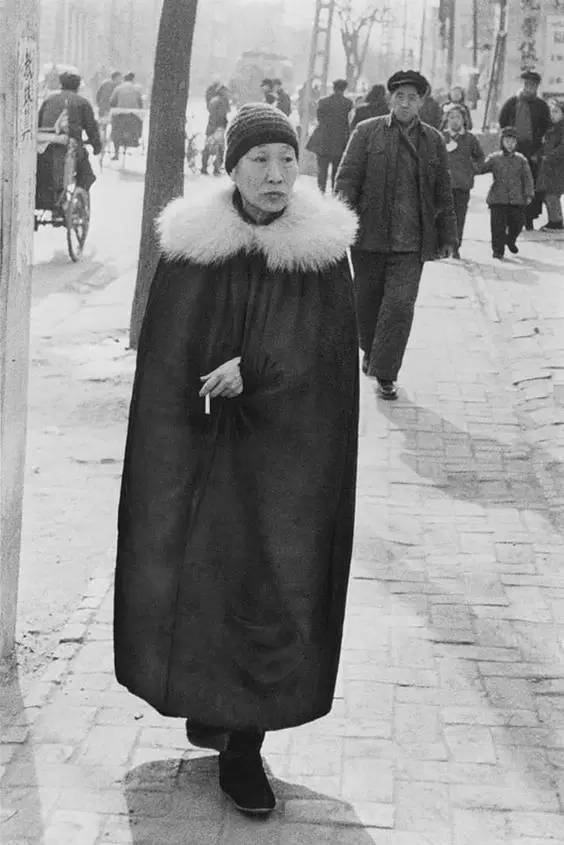
Beijing, Wangfujing, the last nobleman, 1957
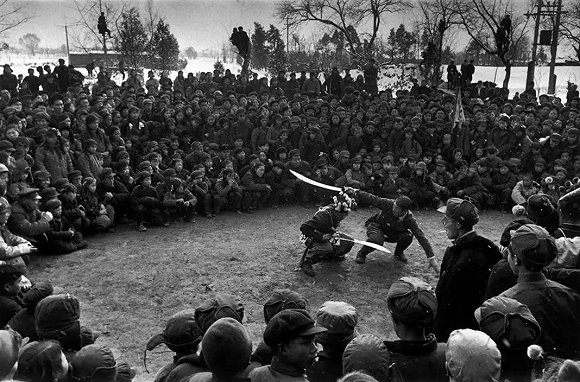
In a village in the northern suburbs of Beijing, a performance to celebrate the Lunar New Year organized by the workers' and peasants' cooperative was performed by Peking opera actors and farmers, 1957
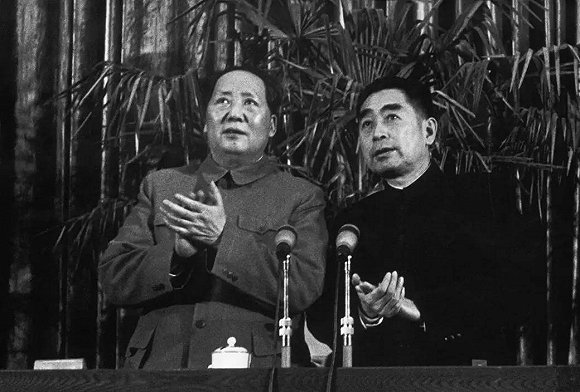
Beijing Hotel, during the visit of Polish Prime Minister Jo Silenkiewicz to China, 1957
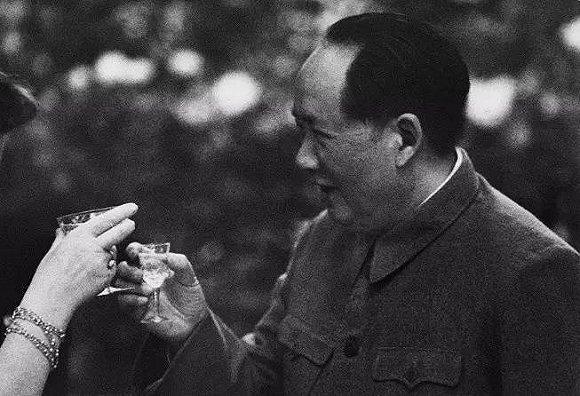
Mao Zedong toasted to the wife of the Polish Prime Minister, 1957
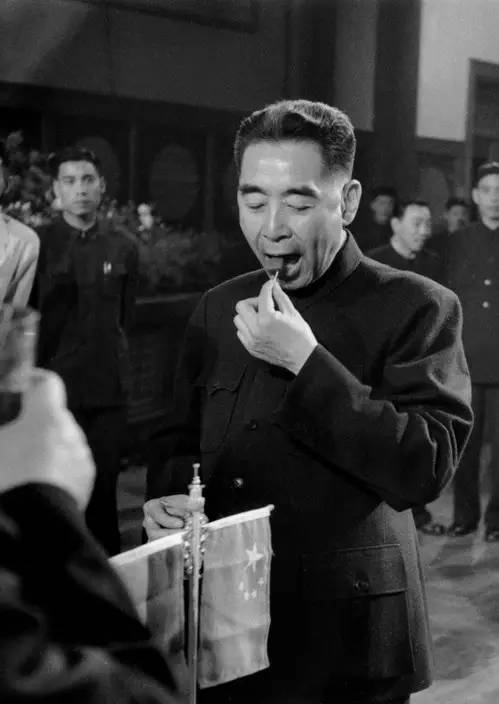
Beijing Hotel, during the visit of Polish Prime Minister Jo Silenkiewicz to China, 1957

Beijing Hotel, during the visit of Polish Prime Minister Jo Silenkiewicz to China, 1957
▲I became one of the 600 people invited to the banquet, which Mao Zedong attended. The banquet was held at the Beijing Hotel, and the silver tableware was used, which can be purchased at a state-owned store in the old city. Among those who attended the banquet, a considerable number were heroes during the Long March. When Mao Zedong toasted, they all quickly imitated Mao's toast, and then struggled to use Western knives and forks. As the only foreign photographer attending the banquet, I received a mysterious injunction: I was not allowed to photograph this great "helmsman" from the front. But no matter what, on this special night, I still photographed something: from the front, I photographed Mao Zedong drinking a glass of Maotai.
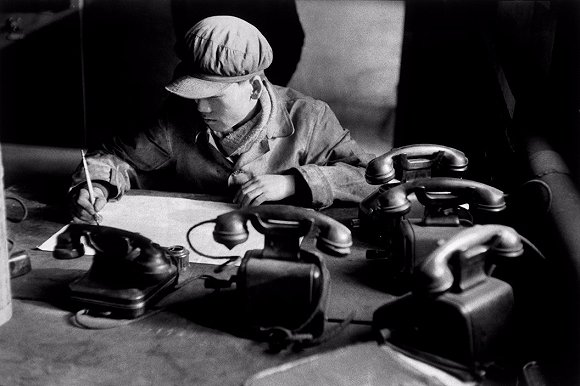
Liaoning, Anshan. Steel factory, engineers at work, 1957
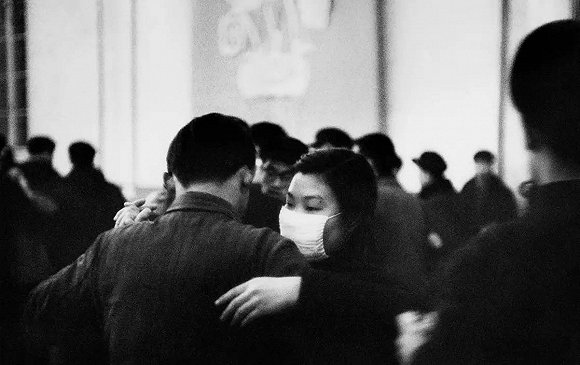
Liaoning, Anshan, dance in the steel factory, 1957
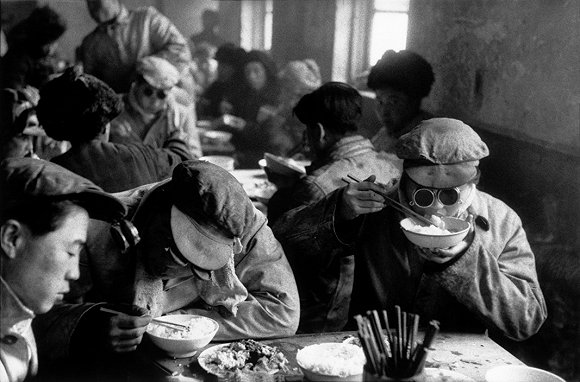
Liaoning, Anshan, Anshan Iron and Steel Canteen, 1957
▲In 1957, Anshan Iron and Steel Canteen, in accordance with the requirements of revolutionary practice, engineers and workers sat at the same table, wore the same Mao Zedong-style hats and goggles, and used the same chopsticks to eat. In the past, the privilege of the engineer canteen was that engineers could sit down and eat, but other workers and students did not even have a place to sit in the canteen.
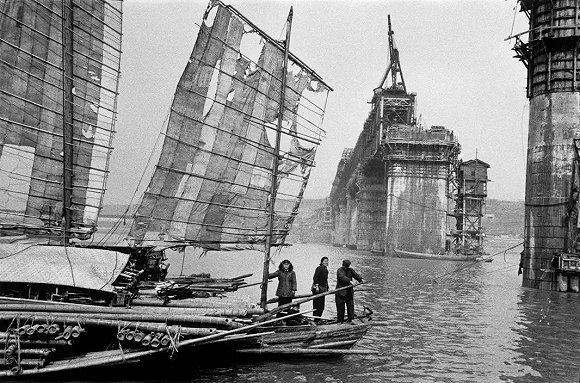
Hubei, Hankou. The Hankou Yangtze River Bridge built with Soviet aid is under construction, 1957
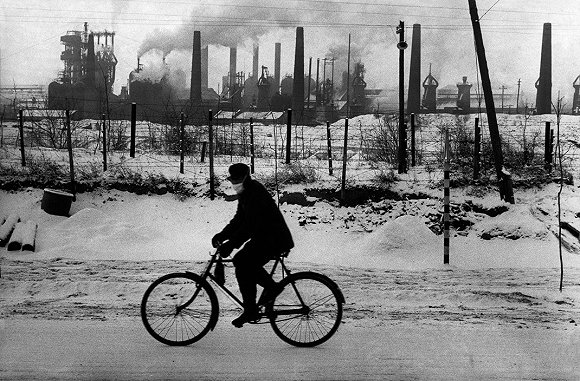
Liaoning, the air pollution caused by rapid industrialization and urban development became apparent in the 1950s, 1957
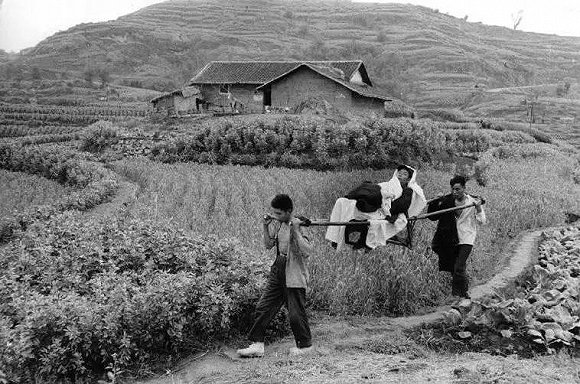
Sichuan, patients are taken to the hospital. In the past, sedan chairs belonged to big landowners.Privilege, 1957
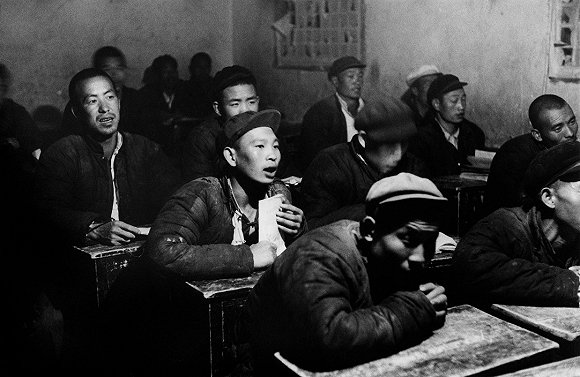
In Gansu, young people work in the fields during the day and study in school at night. The winter in northern China is very bleak. People in the mountains wear patched clothes from generation to generation. Apart from adding a Mao Zedong-style hat, these farmers who go to night school have not changed in other aspects, 1957
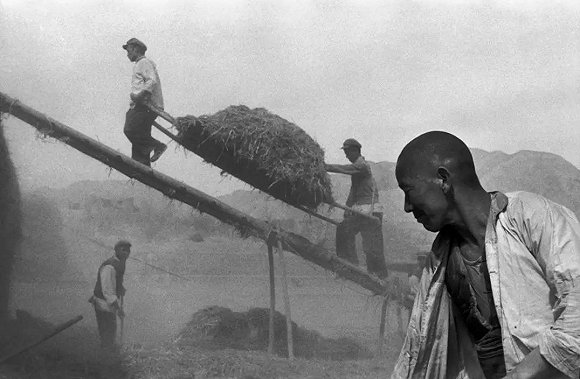
Gansu, wheat harvest, 1957
In 1957, China was "forbidden" to enter. It was great to work in such a big space and not bump into other photographers. At the same time, there are only about a dozen French people in China. Just like I did in India, I went out by myself every day to see what was out there to photograph. I tried to remember Magnum’s reminder that I should take pictures to tell stories, but in reality I only took pictures of things that moved me. The result was that the photos I took were accidental, with no connection between them except that they took place in China.
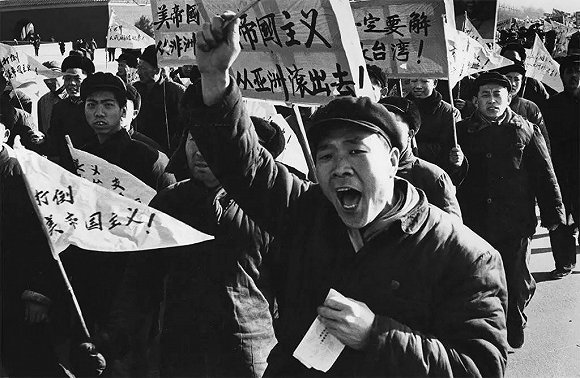
Beijing Tiananmen, demonstrators protest against U.S. military action in Vietnam, 1965
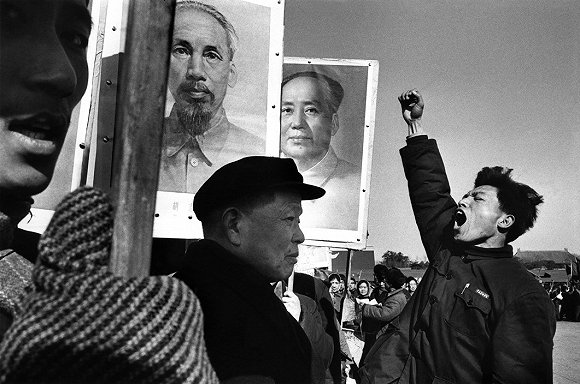
Beijing Tiananmen, demonstrators protest against U.S. military action in Vietnam, 1965
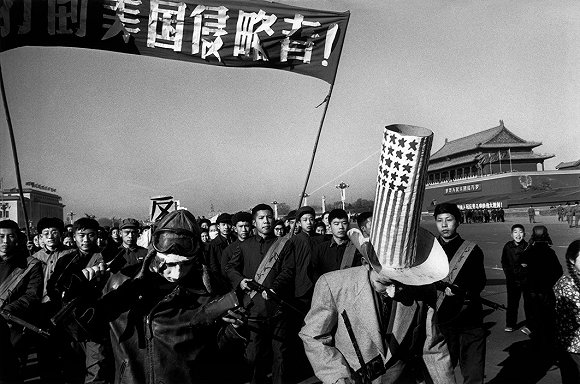
Beijing Tiananmen, demonstrators protest against U.S. military action in Vietnam, 1965
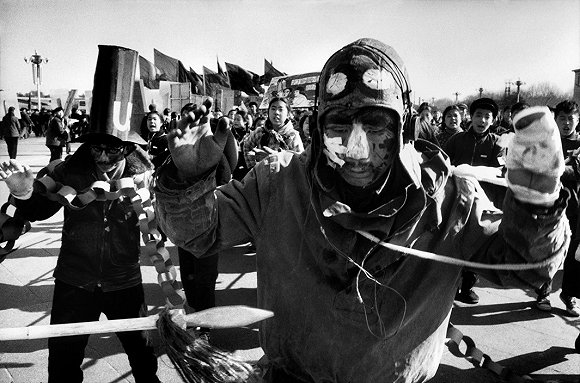
Beijing Tiananmen, demonstrators protest against U.S. military action in Vietnam, 1965
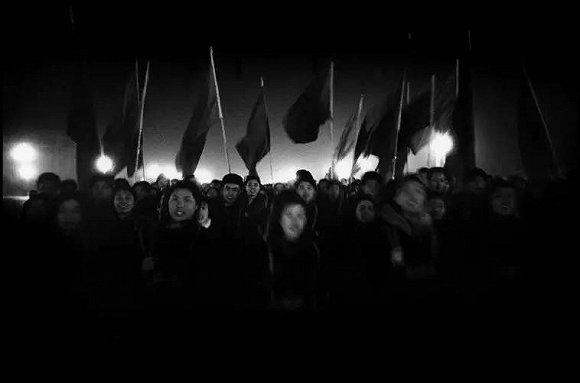
Beijing Tiananmen, demonstrators protest against U.S. military action in Vietnam, 1965
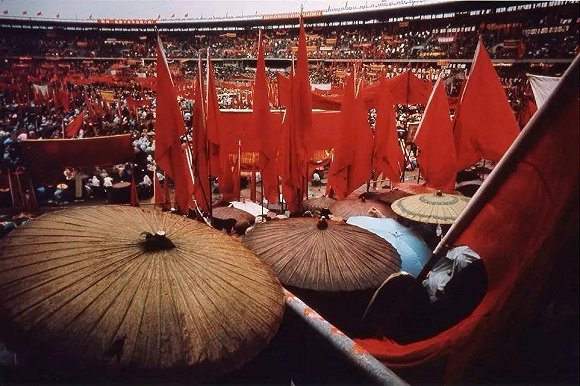
Beijing, demonstrators protest against U.S. military action in Vietnam, 1965
▲In 1965, China’s enemy was the United States. When the gunfire in Vietnam became louder, I stayed in Tiananmen Square for a whole day, standing on the wooden pier of the traffic island, and parades passed by me one after another, shouting slogans condemning American imperialism. The procession lasted all day and night. According to the People's Daily, a total of 1.5 million people walked through Tiananmen Square.
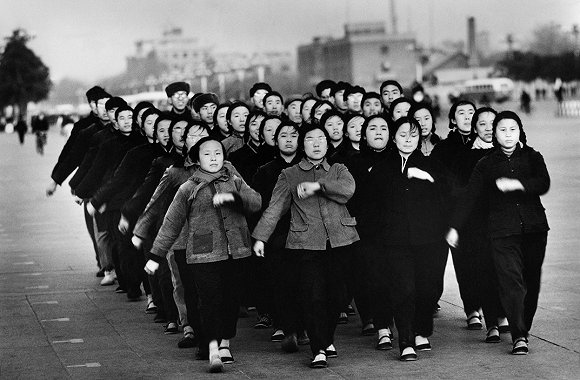
Beijing, students on the eve of the Cultural Revolution, 1965
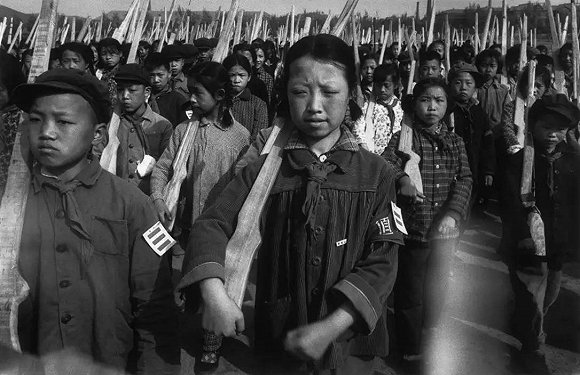
Beijing, students on the eve of the Cultural Revolution, 1965
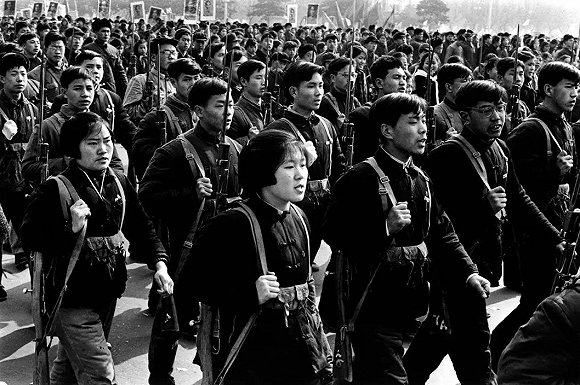
Beijing, students on the eve of the Cultural Revolution, 1965
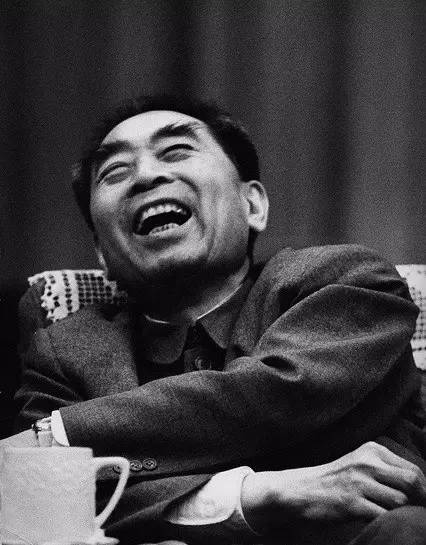
Beijing, Zhou Enlai during an interview with Mark Riboud, 1965
▲At 10:30 pm, a car picked us up from the hotel, and the interview lasted until 4 am. Zhou Enlai was accustomed to working at night. As soon as we met, he asked me if there had been any changes in China since my last visit. It was obvious that he was familiar with everything about me, which surprised me. I stood up like a shy schoolboy and mumbled an answer I didn't know the meaning of. He talked to us about his participation in the Geneva peace negotiations in 1954, and his views on the division of Indochina into Cambodia, Laos, and northern Vietnam. The US Secretary of State in 1954 was Dulles. When they met, Zhou extended his hand to Dulles to shake hands, but Dulles ignored him because he did not want to shake a communist hand. Zhou's handshake paused awkwardly, and we learned that the hurt was still fresh in the mind of the Chinese premier—who was known for his etiquette and elegance—as late as 1965.
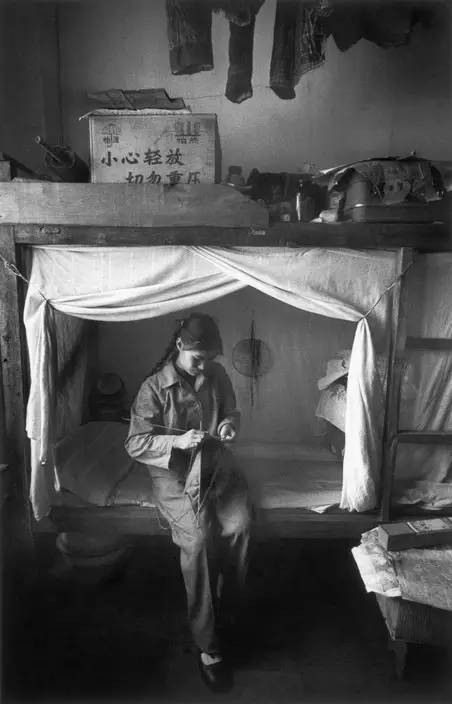
Peking University dormitory, 1965
▲Peking University has always been famous for its restless students. When I visited Peking University in 1965, the "Guardian Angels" watched me very closely. The student dormitories I was allowed to visit were strictly screened.of students speak neither French nor English. There were no restrictions on my photography, but I couldn't photograph anything considered abnormal or bourgeois in taste—an old tarpaulin umbrella, for example, or boxed food sent from home by a student's parents. But luckily the "Guardian Angel" didn't understand the tricks of the wide-angle lens. I cut him and his friends outside. What I really wanted to photograph was the girl with long braids and the sharp pants she wore - which could not be said to be a symbol of revolution at the time; the girl was doing an individualistic pastime: knitting a woolen waistcoat.
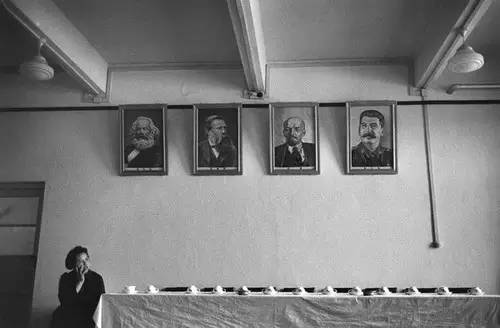
Beijing, 1965
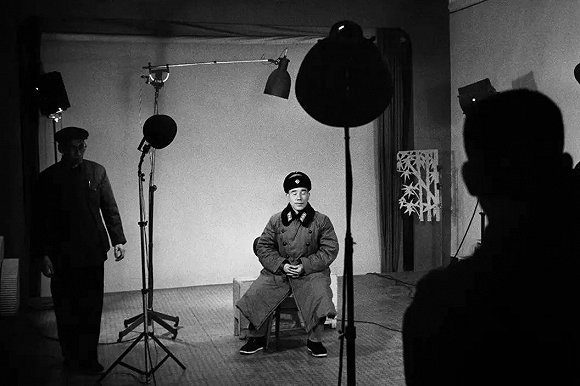
Beijing, 1965
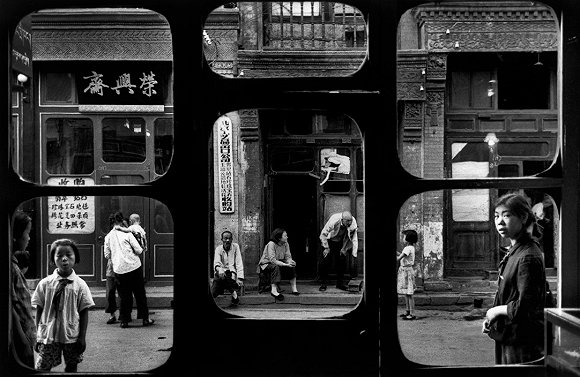
Beijing, Liulichang antique store window, 1965
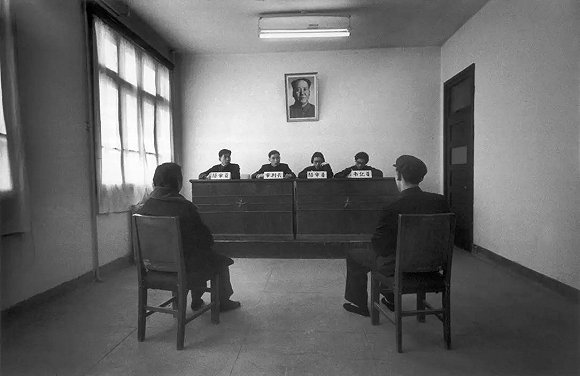
Beijing, divorce, 1965
▲Female: My husband spends all his money on things outside the family. He beats our daughter. He is not responsible for the family at all! Man: She is critical of me all day long. I don’t like her anymore!
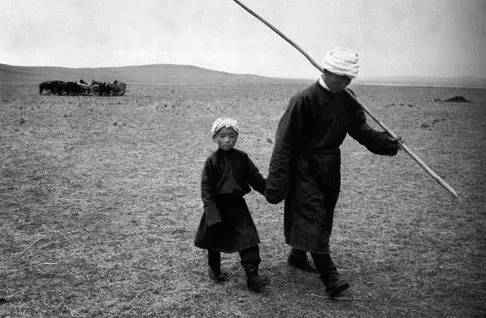
Inner Mongolia, 1965
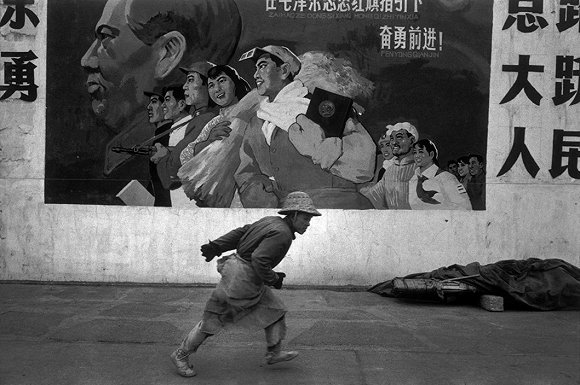
Shanghai, 1965
▲ In the 1960s, the philosophy of Maoism was simple: under the guidance of the great helmsman, workers, peasants and soldiers must move to the left without hesitation. In 1965, when I was in Shanghai trying to take a picture of this popular revolutionary scene, the "Guardian Angel" asked the dock worker who was standing in front of the scene to get out of the way. When he hurriedly scurried to the right, it created a wonderful scene of "right-wing" elements moving against the revolutionary trend!
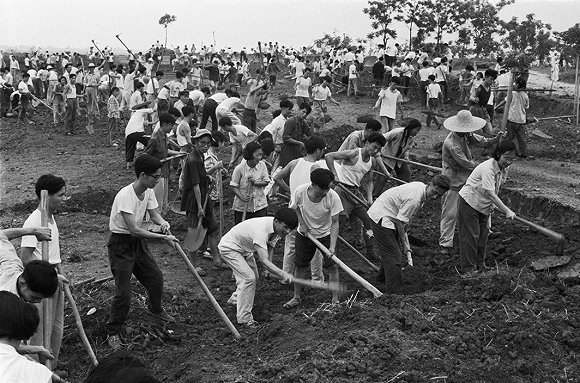
Hubei, students and farmers participated in labor together, 1965
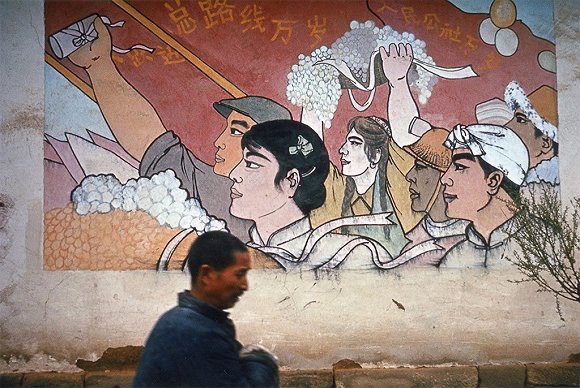
Guangxi, three red flags, 1965
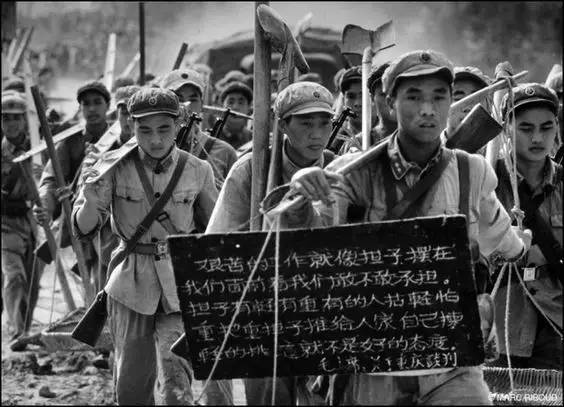
Guangxi, 1965
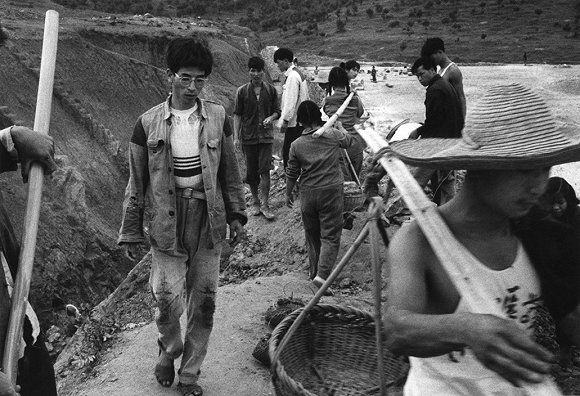
Guangxi, 1965
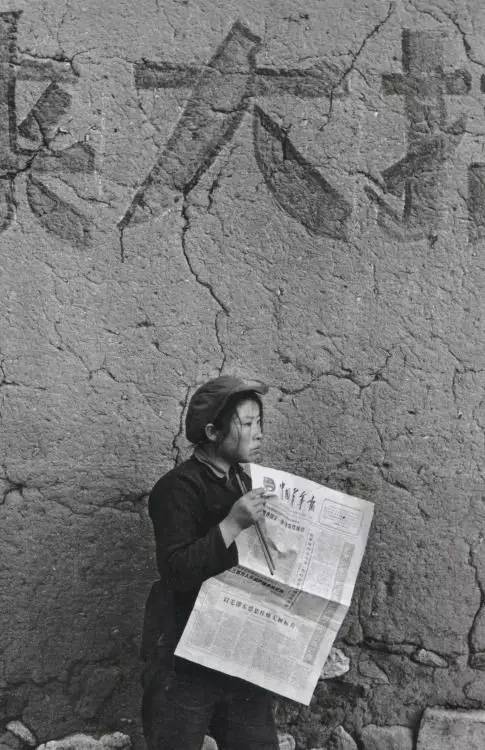
A young woman holding a copy of China Youth Daily in rural Shanxi, with the headline reading "The second atomic bomb exploded successfully," 1965
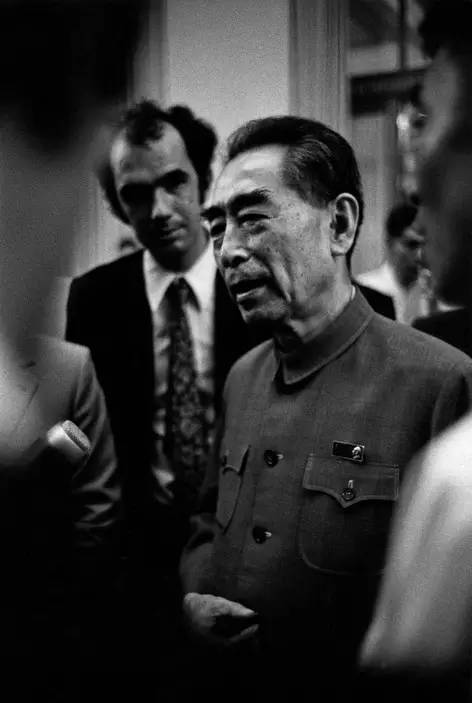
Beijing, 1971
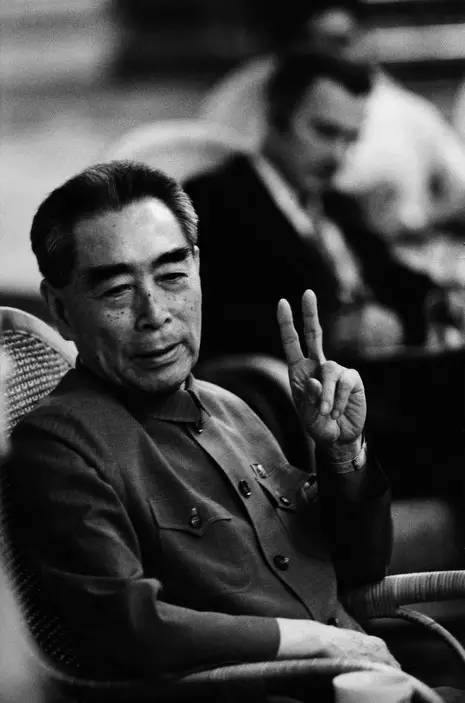
Beijing, 1971
▲ Zhou Enlai told the visiting French National Assembly delegation: "When I was in Paris, I was indeed studying; first, I learned Marxism, and second, I studied Leninism. "At the same time, he stretched out two fingers.
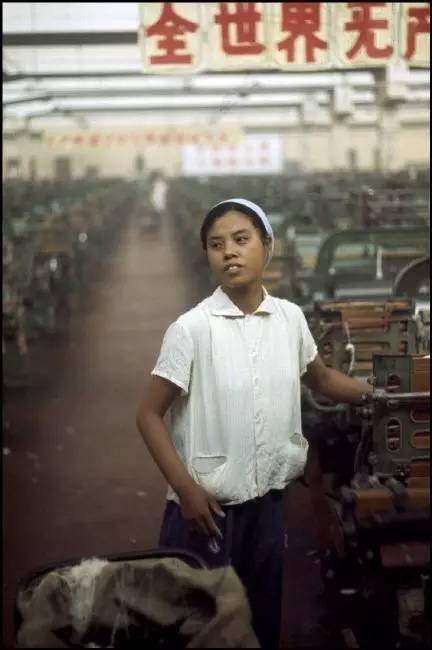
Beijing, female textile factory worker, 1971
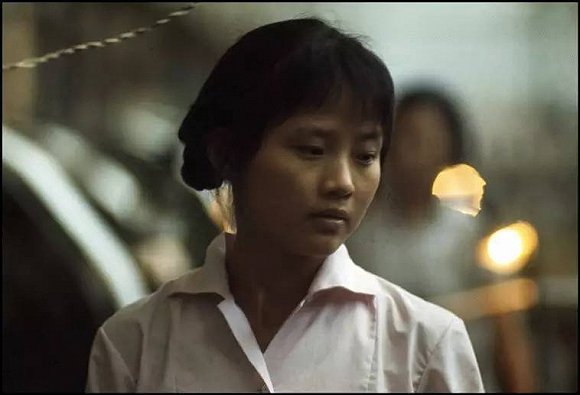
Beijing, female textile factory worker, 1971
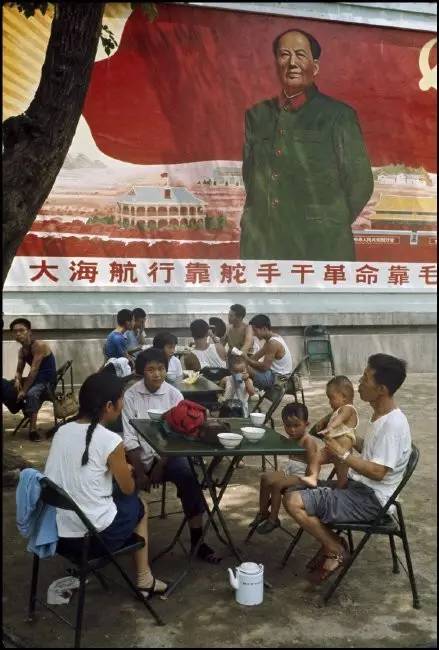
Beijing, Summer Palace, 1971
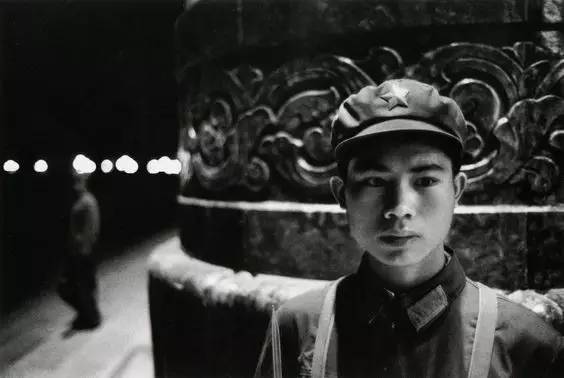
Red Guards in front of the Great Hall of the People, 1971
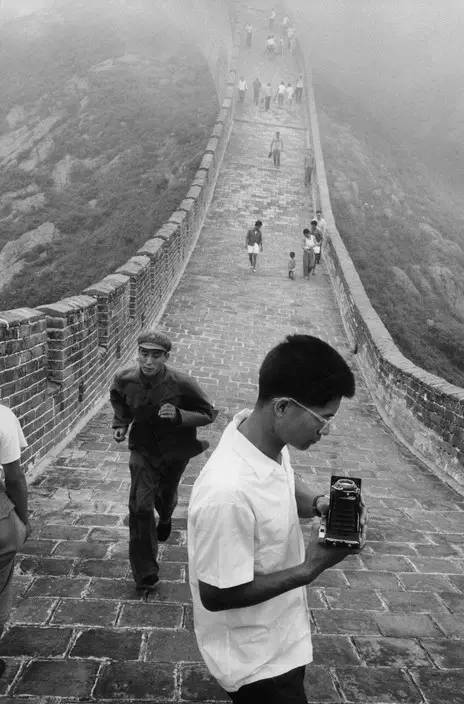
Badaling Great Wall, Beijing, 1971
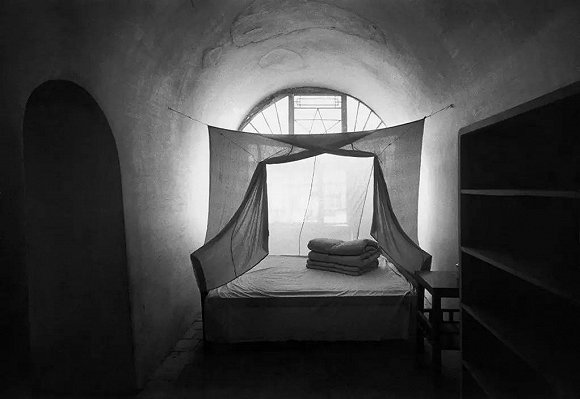
Yan'an, Shaanxi, 1971
▲This is Yan'an, the destination of the Long March, and the place where Mao Zedong invented his philosophy on building a new China. Monks work in the same cave dwellings, with square beds, neat mosquito nets, and a cold shower when they get up in the morning. This is the new lifestyle that Mao Zedong pioneered in Yan'an. All this made Alain Perefit full of emotion and regret in July 1971: Those Maoists in France, his lawless opponents in May 1968, really had not learned the truth from Big Brother China.
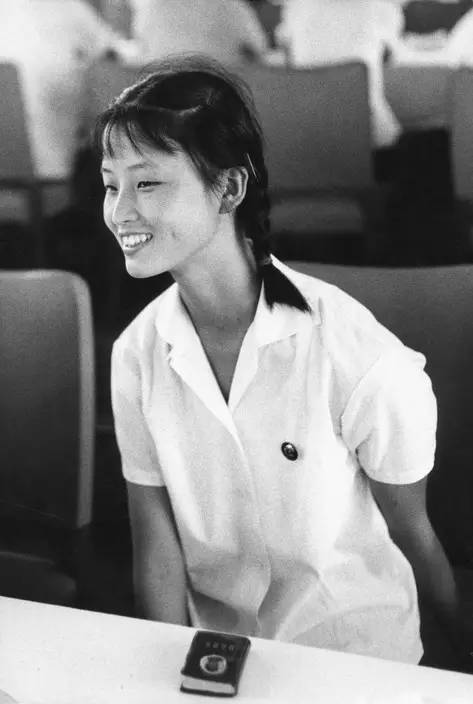
A ballet dancer from the Shanghai Ballet with the Little Red Book on the table in front of her, 1971
▲The simple lifestyle strictly enforced during the "Cultural Revolution" did not diminish the elegance of this girl. According to the regulations at the time, the "Little Red Book" was the only material that could be read, Chairman Mao badges were the only accessories that could be worn, braids had to be cut as short as possible, and marriage was not allowed before the age of 25, and sexual relations were not allowed before marriage.
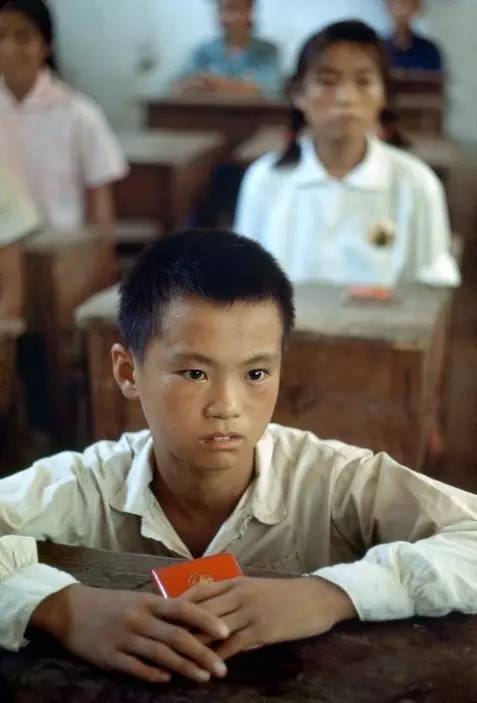
Student holding the Little Red Book, 1971
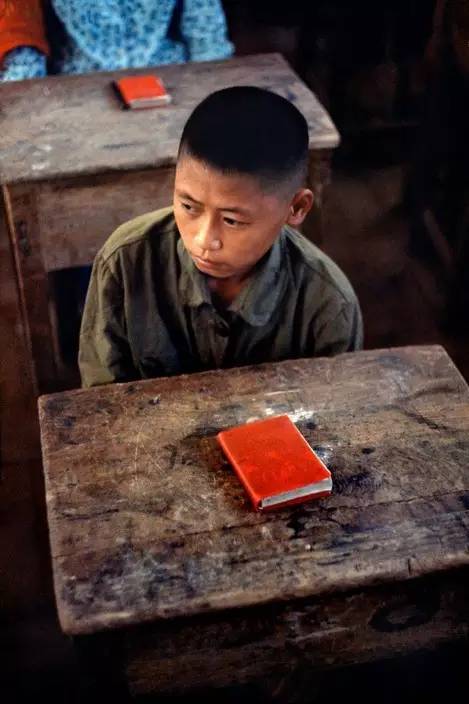
Student with the Little Red Book on the table, 1971
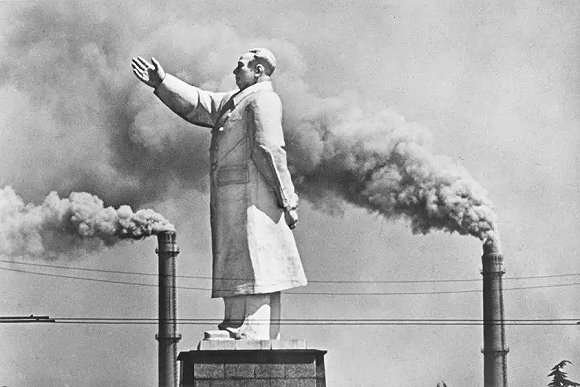
On the edge of the Yangtze River in Wuhan. A statue of Chairman Mao standing between two chimneys, a symbol of China's new industrialization, 1971
▲In 1971, the personality cult of Mao reached its peak, and artists showed their loyalty in their own way. If Mao's statue arms wereThe rest of the body is out of proportion, not because the sculptor was wrong, but because he wanted to highlight which direction Mao was pointing.
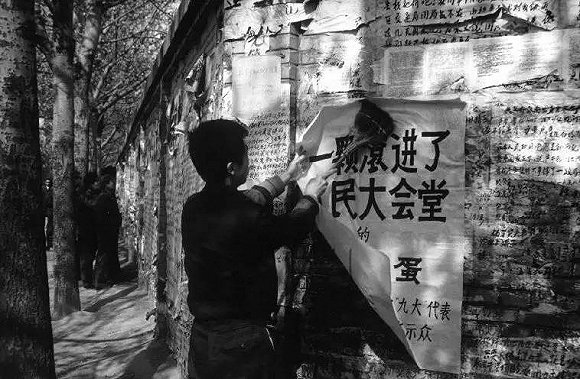
Beijing, Xidan Democracy Wall, on the big-character poster you can see "an egg rolled into the Great Hall of the People." In December of this year, the Democracy Wall was prohibited from posting big-character posters again, 1979
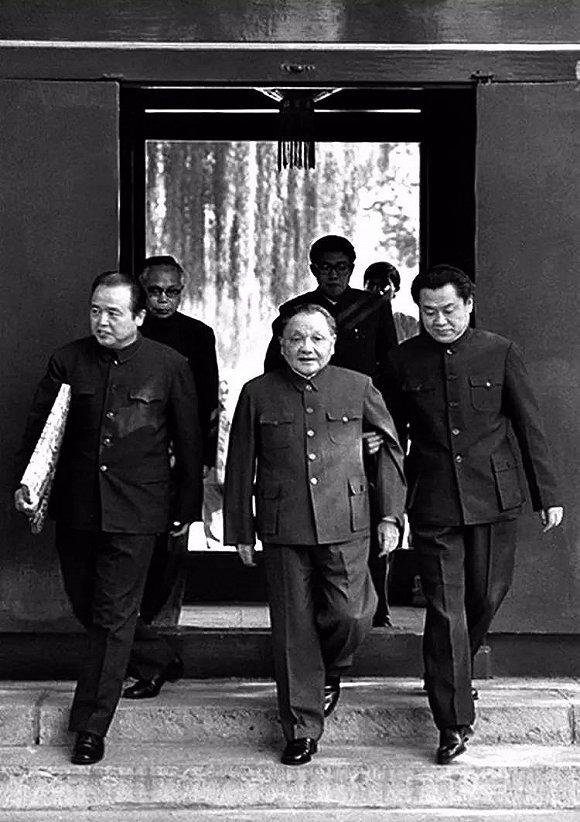
Beijing, Deng Xiaoping prepares to receive the visiting General Secretary of the Central Committee of the French Communist Party Georges Marché, 1982
▲This is the clothing that cadres in this country must wear at this time. The four pockets symbolize the four traditional virtues of China: benevolence, righteousness, etiquette, and trustworthiness. Deng Xiaoping, who had experienced three ups and downs, is leading China to cross a threshold. He is full of confidence in the future and will once again create proud history with his country.
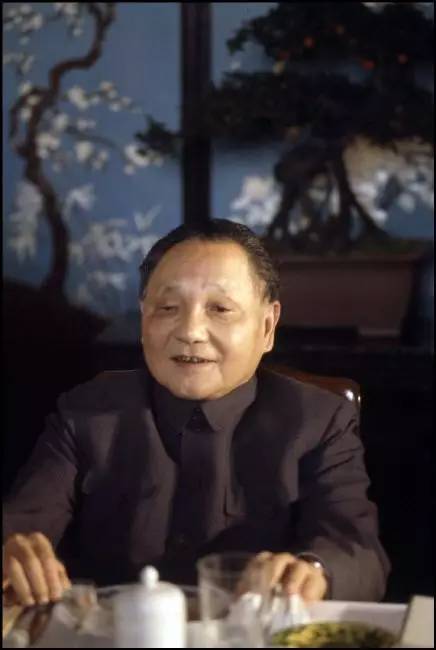
Zhongnanhai, Beijing, Deng Xiaoping met and hosted a banquet for the French Communist Party delegation, 1982
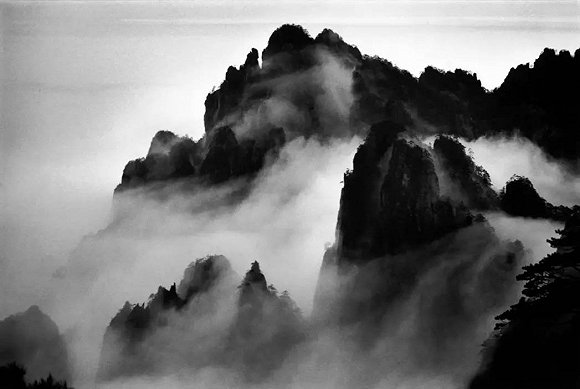
Huangshan, 1983
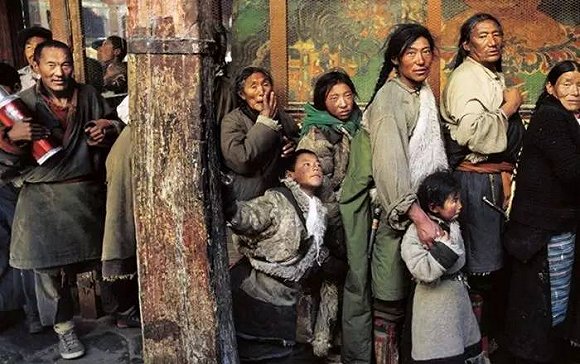
Tibet, 1985
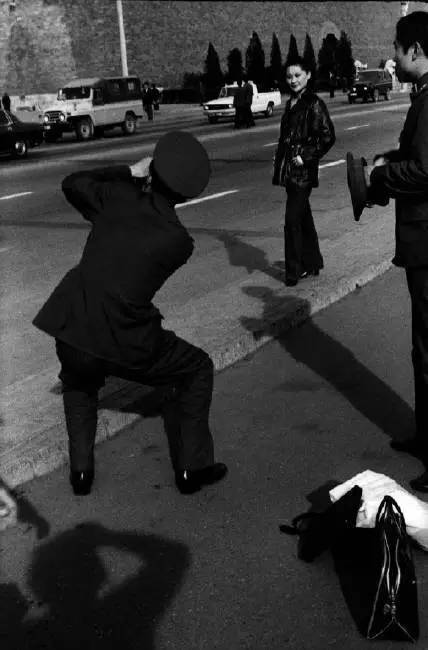
Hebei, 1985
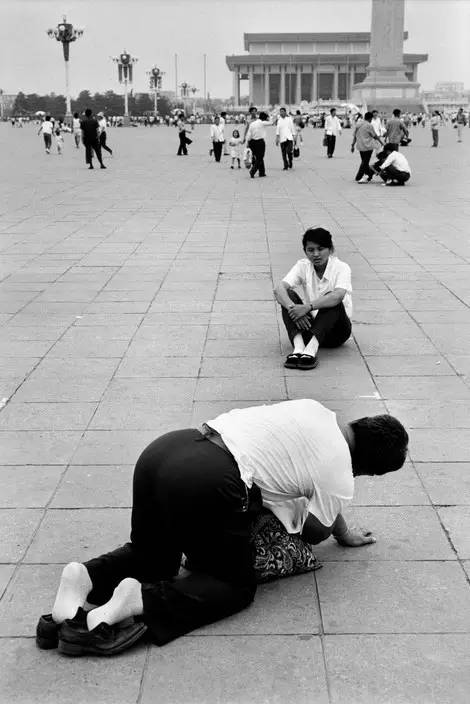
Beijing, Tiananmen Square, 1992
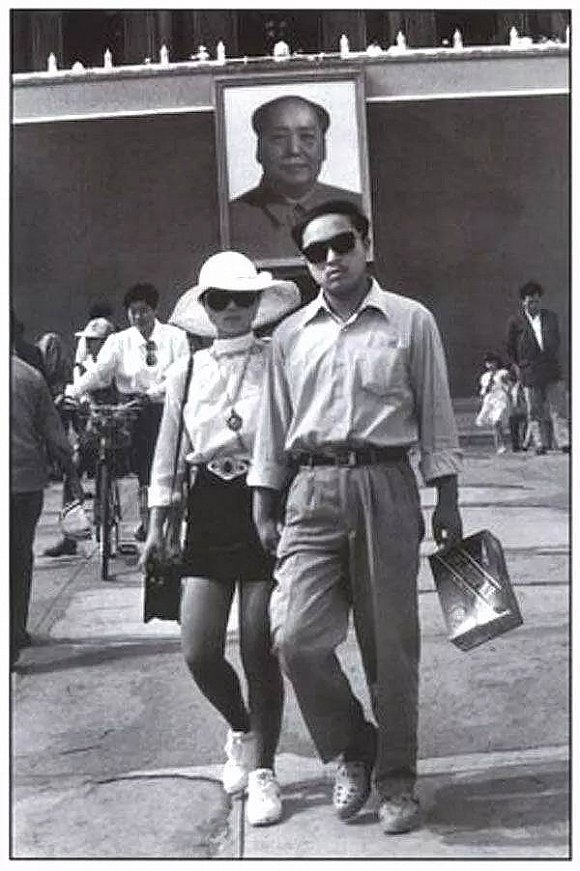
Tiananmen Square, Beijing, 1993
▲This is the only portrait of Mao that remains in a public place in Beijing. Mao was described as a man who "changed the 20th century by cultivatingThe son of a farmer who "becomes a human being" liberated mankind from submission to money and profit, from inequality and trivial instincts. And today, what is left of the results of Mao's efforts? Where is the new humanity? Is it the one holding his girlfriend's hand under Mao's gaze? This pair has all the characteristics of today's "new rich" class.
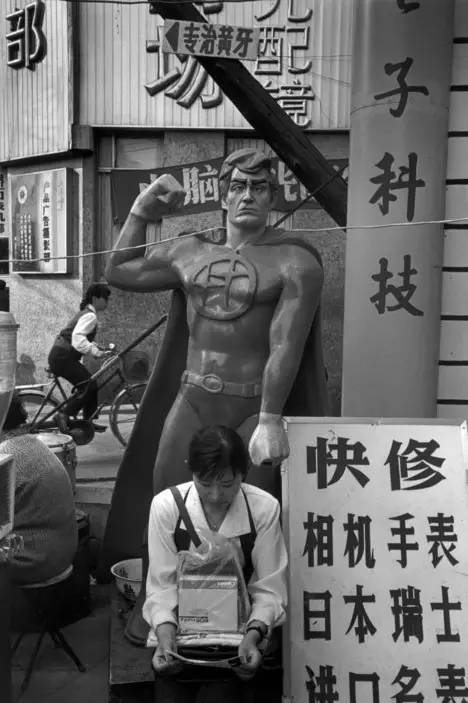
Beijing, Wangfujing, 1993
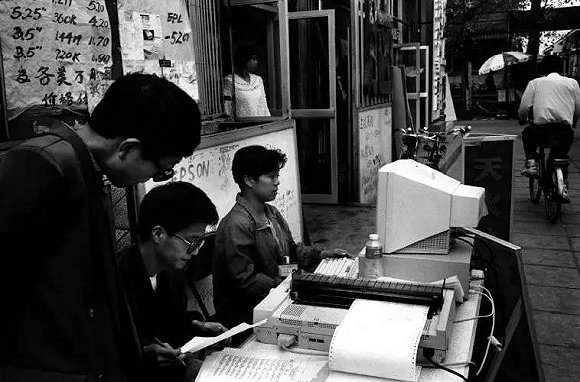
Beijing, 1993
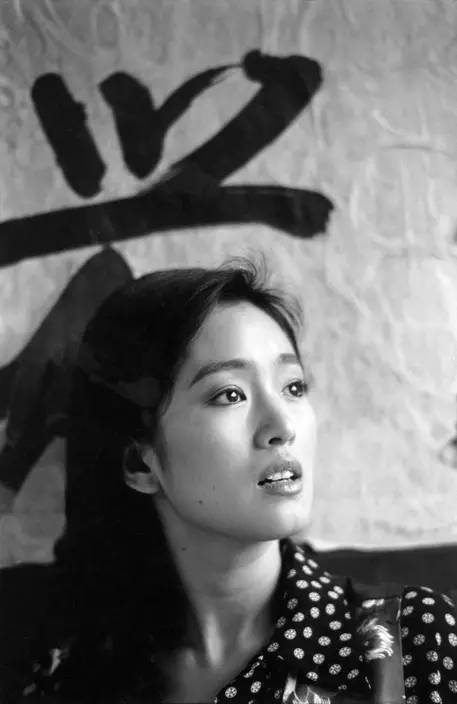
Gong Li during the filming of "Alive", 1993
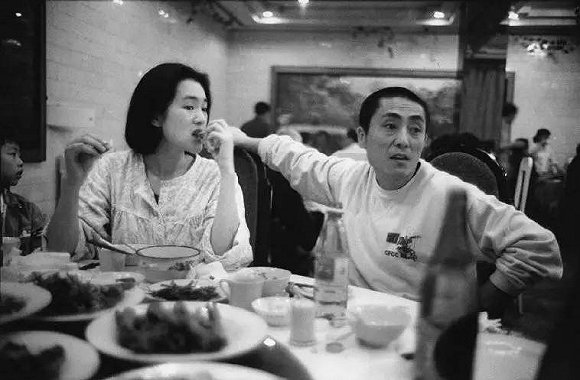
Beijing, Gong Li and Zhang Yimou, Zhang Yimou was banned from participating in the following Cannes Film Festival, 1993
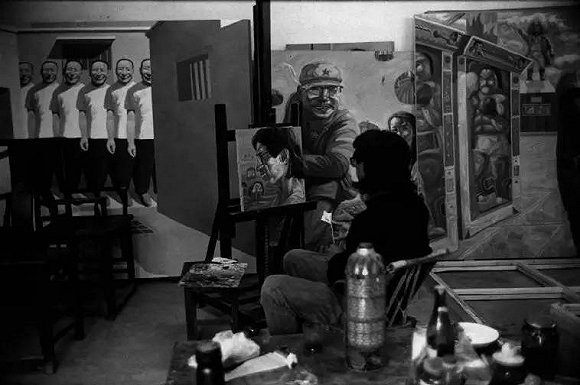
Beijing, Yue Minjun, 1994
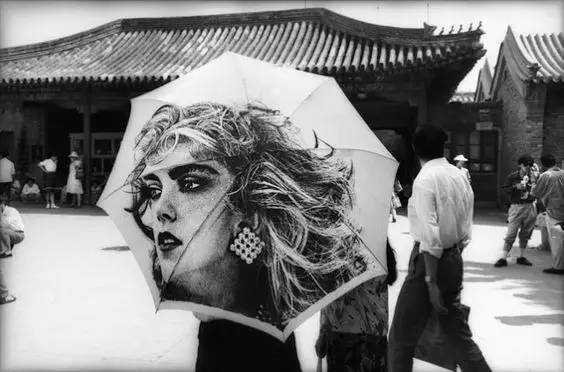
Beijing, 1995
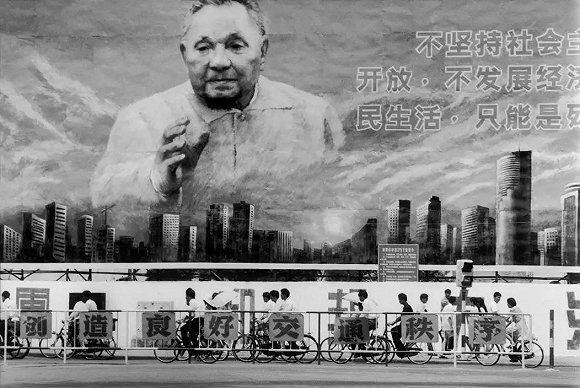
Shenzhen, 1992
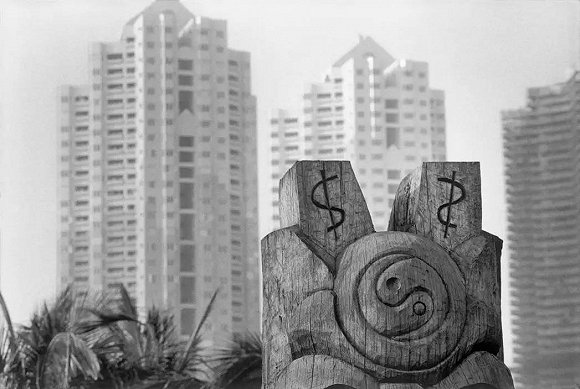
Shenzhen, 1992
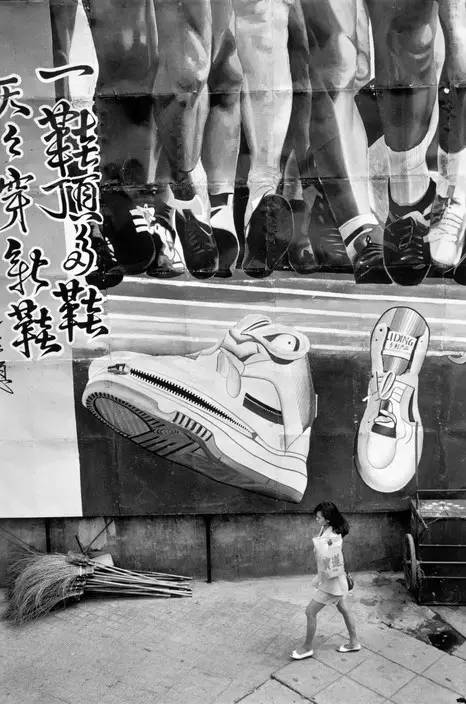
Shenzhen, 1992
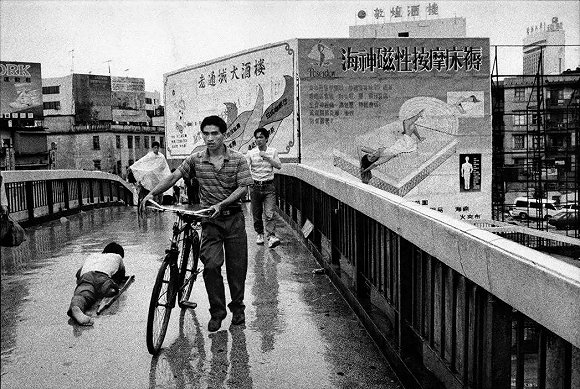
Shenzhen, 1993
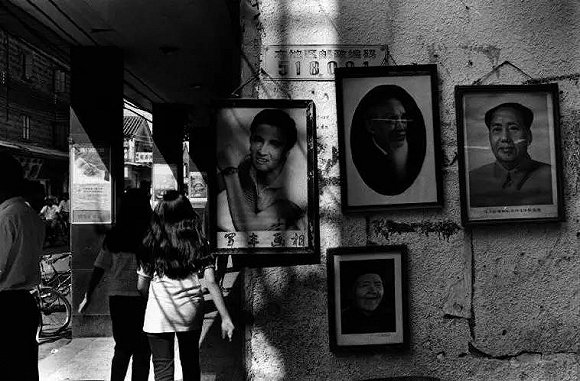
Shenzhen, 1993
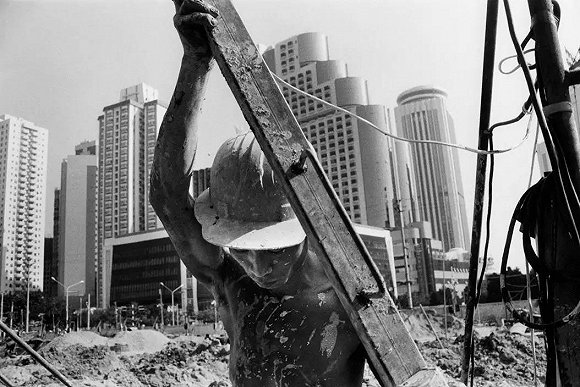
Shenzhen, 1993
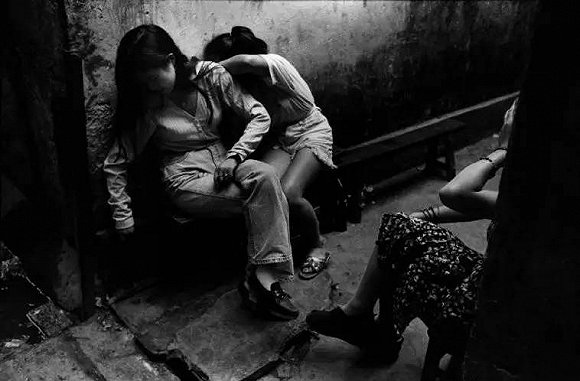
Shenzhen, 1993
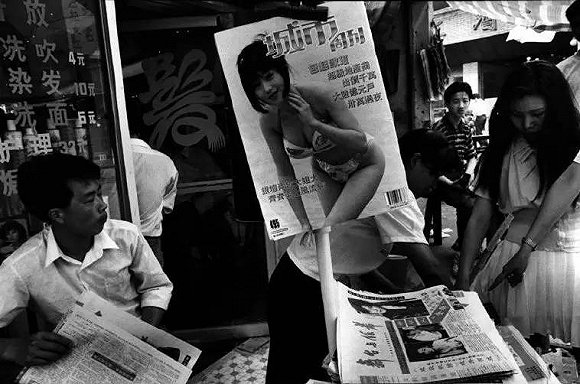
Shenzhen, 1993
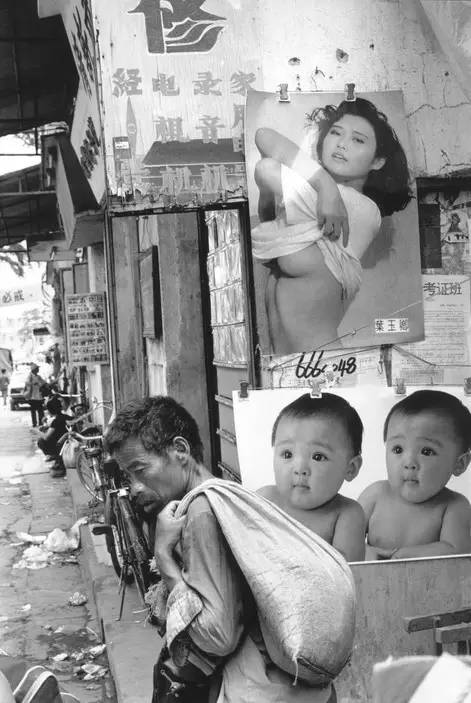
Shenzhen, 1993
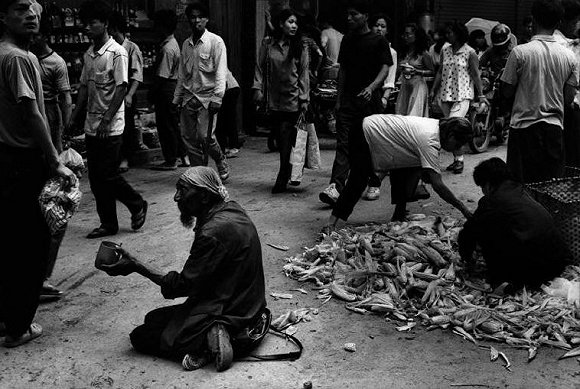
Shenzhen, 1993
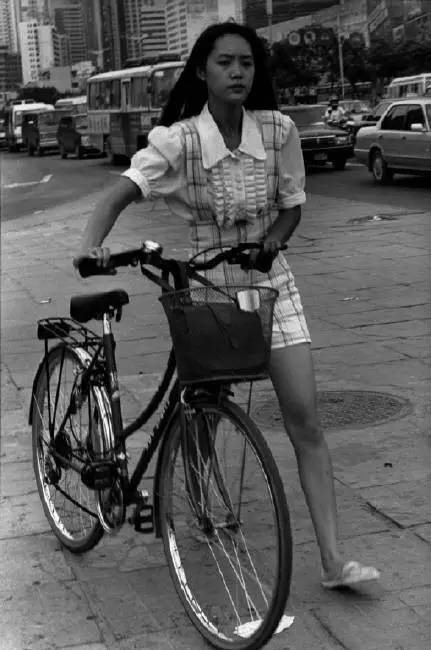
Shenzhen, 1993
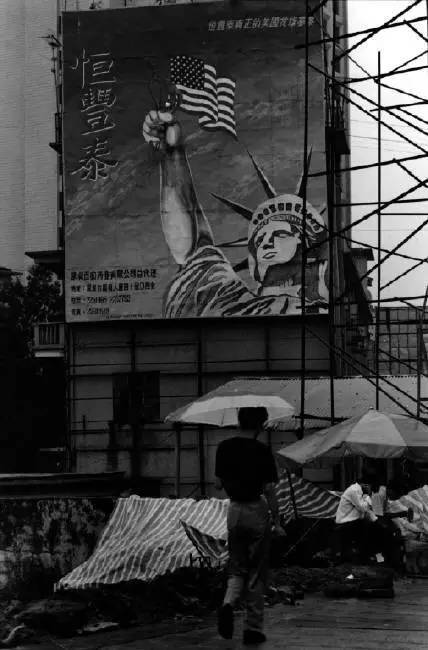
Shenzhen, 1993
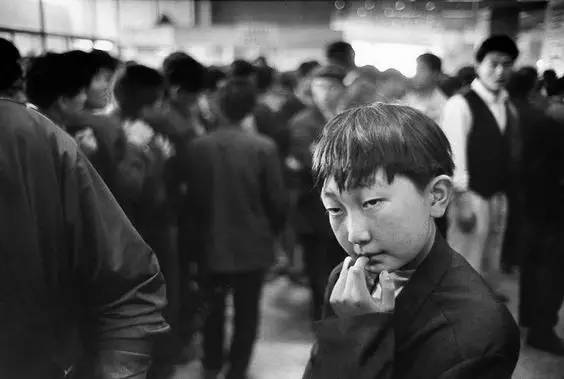
Shenzhen, 1994
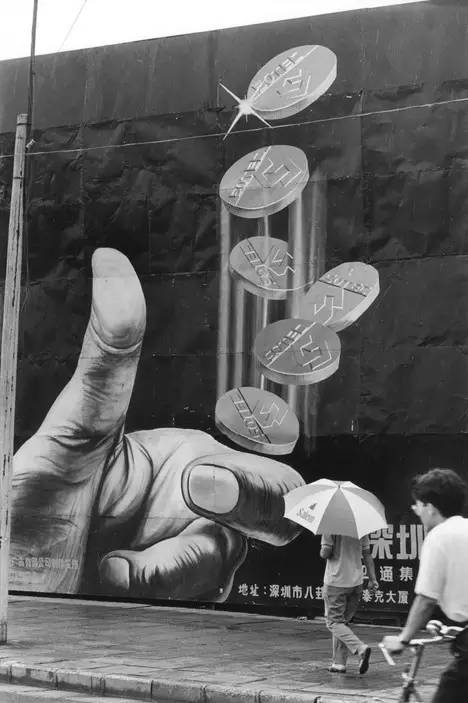
Shenzhen, 1994
The situation there is a bit like a person suddenly becoming a nouveau riche. no one talks about it anymorePolitics, no one talks about Confucius. The only value in society is money. It’s as if Mao’s era has been left in the dust, and Chinese people have all become businessmen. ——In 1996, Macribou answered an interview with the New York Times.
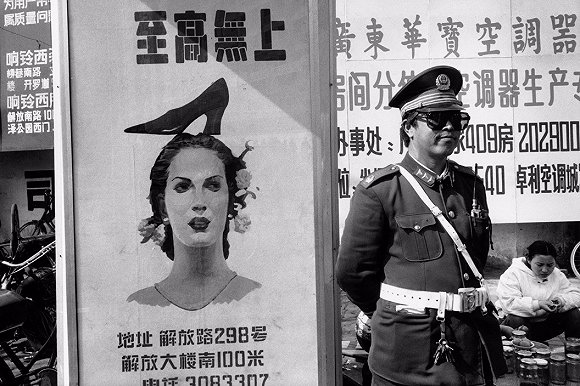
Guangzhou, 1992
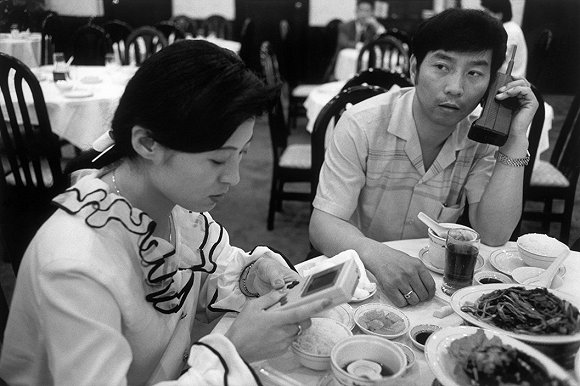
Guangzhou, 1992
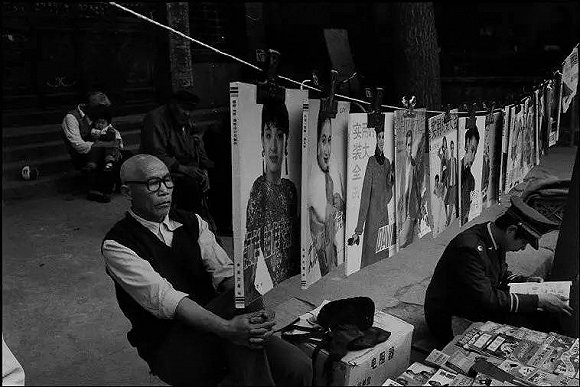
Shandong, 1993
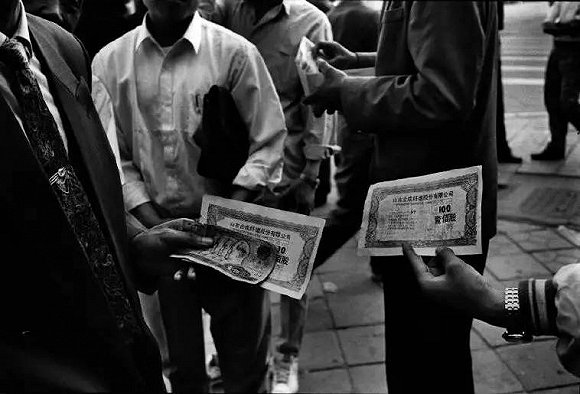
Dalian, 1994
▲The Dalian Stock Exchange was established in 1994, but street trading continued. The buyer on the left holds a stock of a synthetic fiber company, with the faces of Mao Zedong, Zhou Enlai, Zhu De, and Liu Shaoqi listed side by side. The latter died in the Cultural Revolution launched by Mao Zedong, and here they "reconciled."
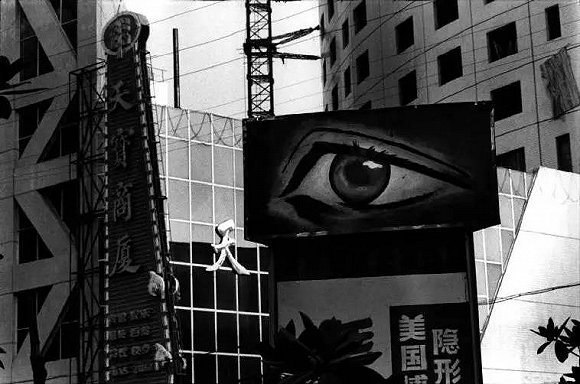
Taiyuan, Shanxi, 1995
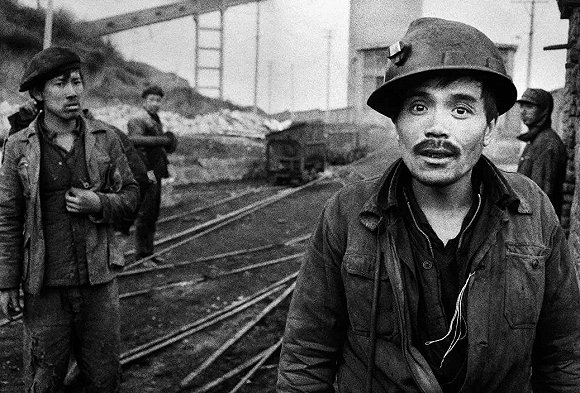
Taiyuan, Shanxi, 1995
▲The coal mine we visited was almost what I could imagine a British coal mine in the 19th century. The only tools were shovels and pickaxes. The workers smiled at the camera as we filmed. In the evening we were detained by the police on suspicion of industrial espionage. We were interrogated for several hours by different people, who were much more serious than the workers... The police threatened to confiscate our passports, cameras and film, but in the end we left almost as friends because we all managed to save face. In China, knowing how to save face can help one get out of trouble.
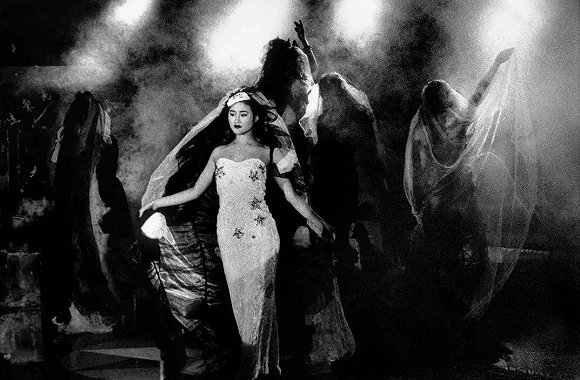
Shanghai, 1993
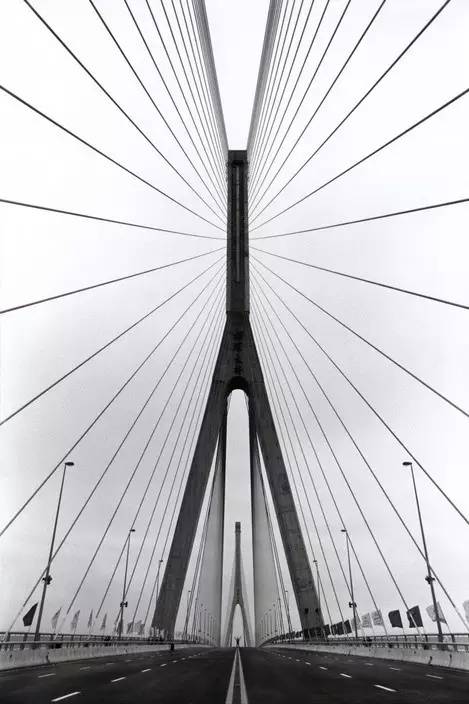
Shanghai, Yangpu Bridge, 1993
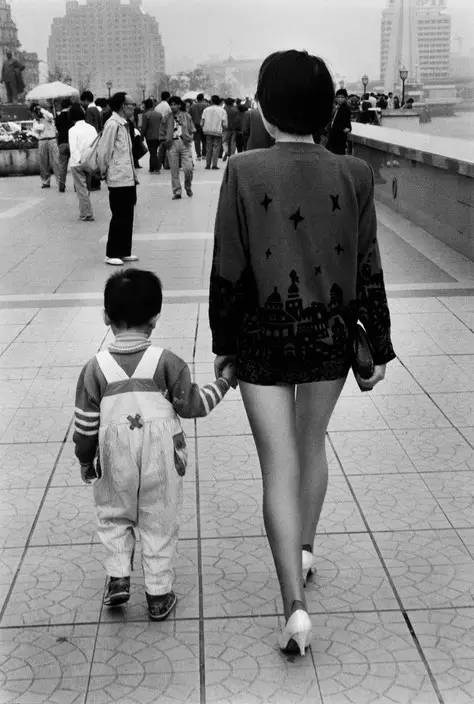
Shanghai, 1993
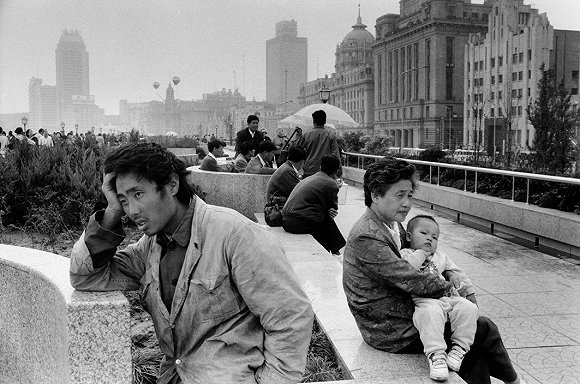
In the early morning in Shanghai, migrant workers who have not yet found jobs in the city, and in Plaza Hill not far away, Shanghai citizens are dancing, 1993
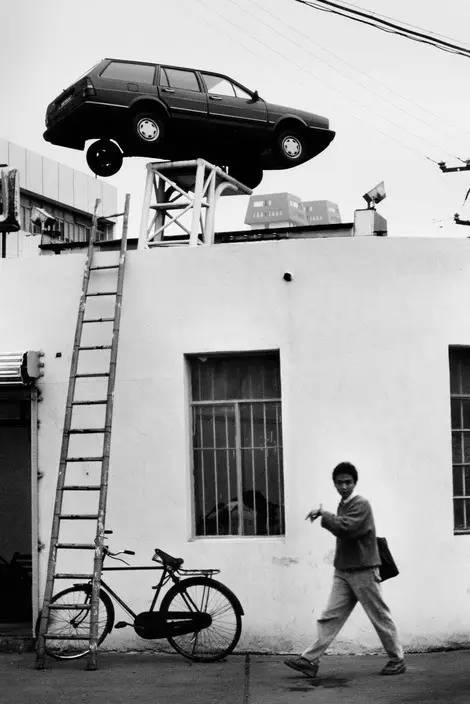
Shanghai, 1993
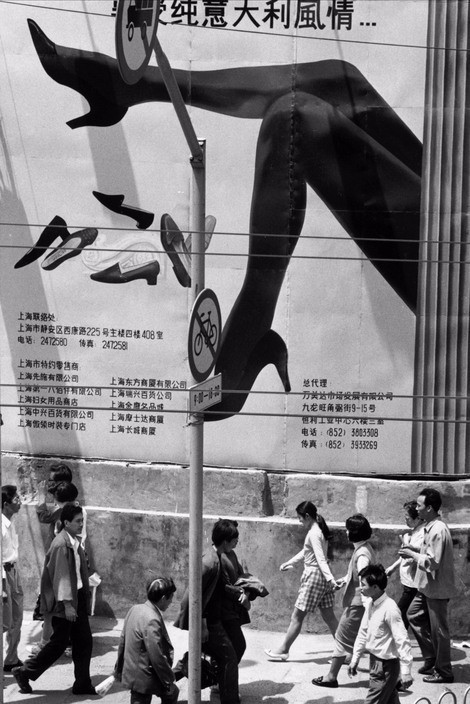
Shanghai, 1993
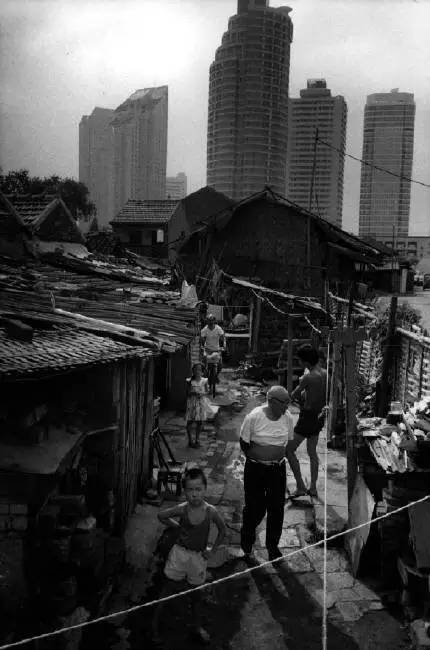
Shanghai, 1993
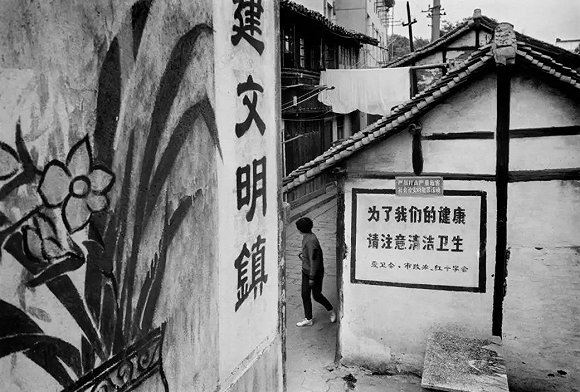
Shanghai, 1995
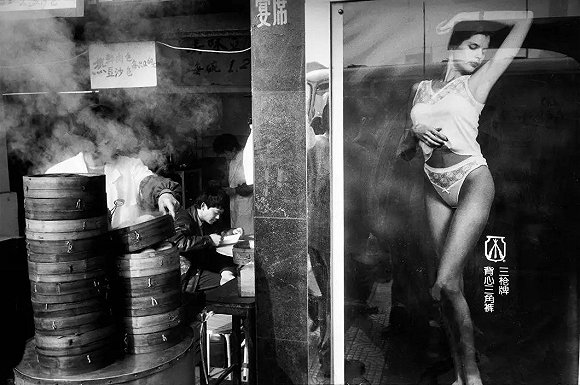
Shanghai, 1995
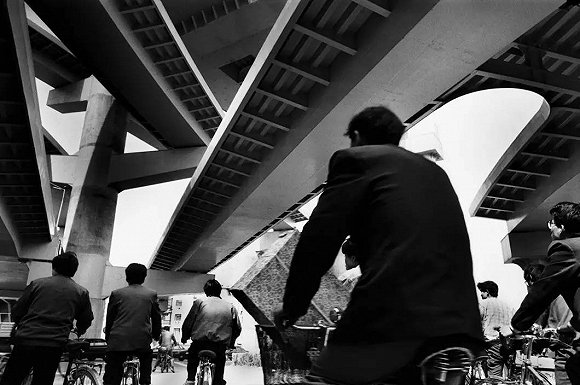
Shanghai, 1995
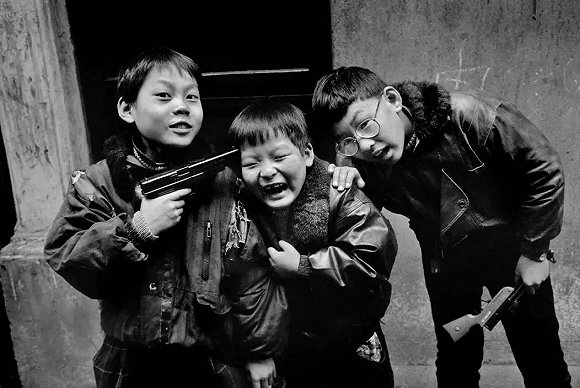
Shanghai, 1995
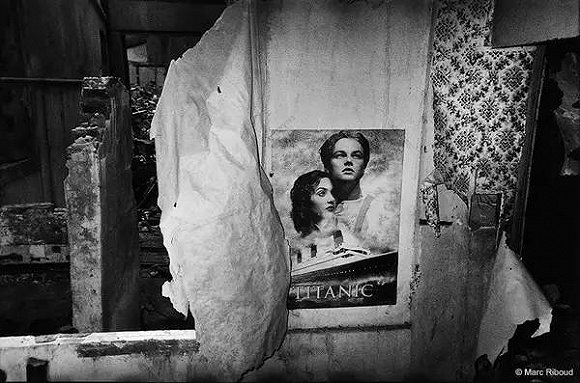
Shanghai, 1998
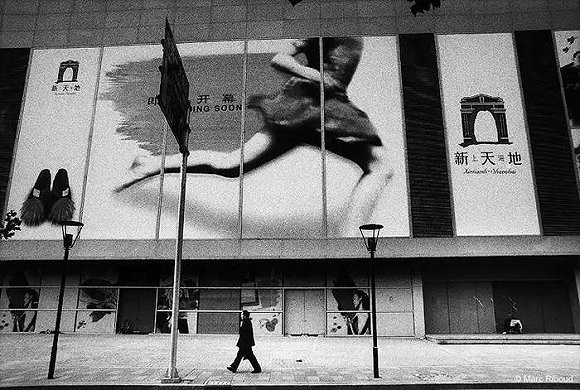
Shanghai, 2002
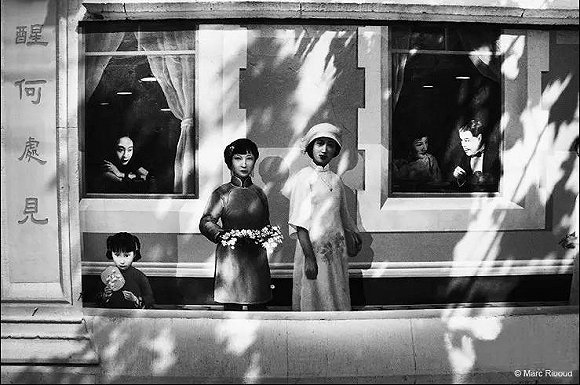
Shanghai, 2002
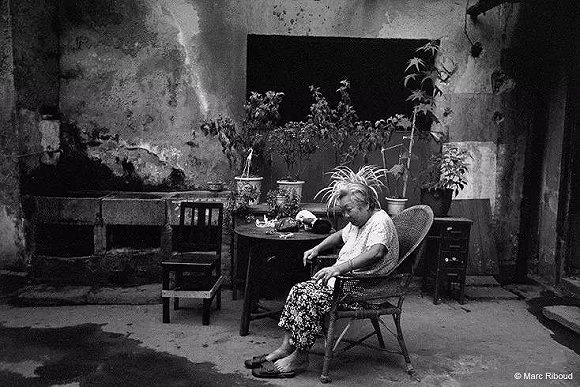
Shanghai, 2002
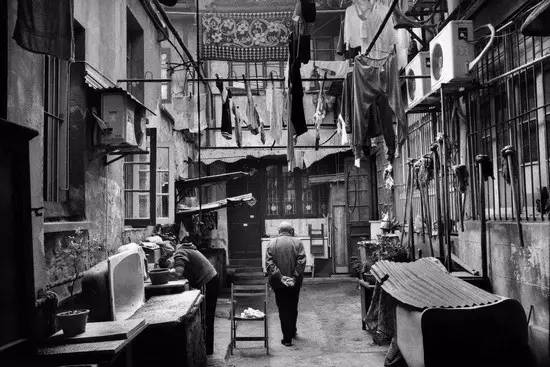
Shanghai, 2002
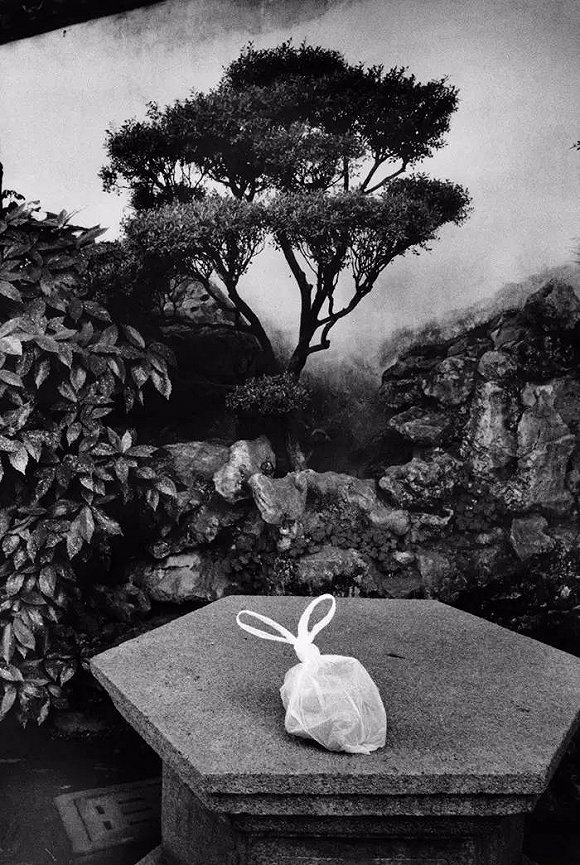
Shanghai Yuyuan, 2002
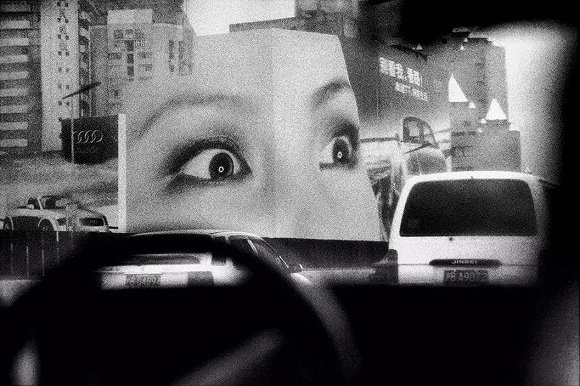
Shanghai, 2002
