
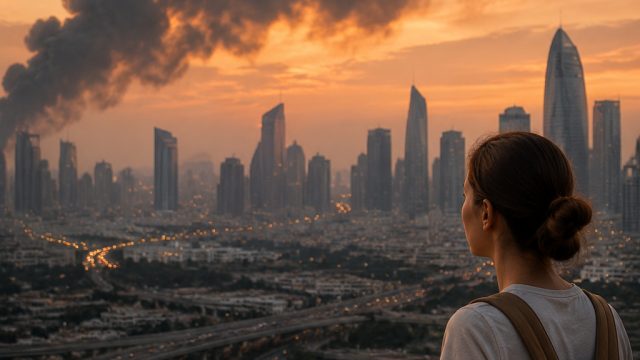
The recent geopolitical tensions in the Gulf region are significantly impacting global travel patterns, with increasing complexities that travelers and industry stakeholders must navigate. These developments come at a time when travel demand is experiencing a robust resurgence, making it essential to understand how these tensions are reshaping the landscape.
Understanding the Current Landscape of Gulf Tensions
The Gulf region has long been a focal point for political and economic dynamics, but the latest tensions have escalated due to various factors, including military posturing and diplomatic disputes. These conflicts are not just isolated incidents; they ripple through global markets and impact travel plans significantly.
The Impact on Travel Destinations
- Increased scrutiny for travelers heading to conflict-prone areas.
- Shifts in preferred destinations as travelers seek safer alternatives.
- Changes in flight routes and travel advisories from governments.
As tensions escalate, many travelers are reconsidering their destinations. For instance, travel to the Gulf states, once popular due to their vibrant cultures and luxurious experiences, is now met with hesitation. Consequently, regions perceived as more stable are witnessing a surge in tourist interest.
Resilience of Travel Demand Amidst Uncertainty
Despite the geopolitical challenges, the demand for travel remains resilient. According to recent industry reports, leisure and business travel are rebounding rapidly. Tour operators and airlines are adapting strategies to cater to this evolving demand.
Strategies Employed by the Travel Industry
- Flexibility in booking and cancellation policies to reassure travelers.
- Enhanced safety measures to boost traveler confidence.
- Targeted marketing campaigns promoting alternative destinations.
Travel companies are not only responding to the current climate but also anticipating future trends. They are introducing flexible booking options and emphasizing safety protocols to regain consumer trust.
The Future of Travel in a Changing World
As the situation continues to evolve, experts suggest that understanding these tensions will be crucial for ensuring the viability of the travel sector. The rise of alternative travel options, including local and domestic tourism, illustrates a shift in consumer behavior influenced by global uncertainties.
Potential Long-Term Effects on Travel Trends
- A move towards more sustainable and responsible travel practices.
- Increased focus on travel insurance as a safety net.
- More emphasis on digital tools for seamless travel experiences.
Looking ahead, the travel industry may undergo significant changes that prioritize sustainability and consumer safety. With travelers becoming more informed and cautious, businesses must adapt to these trends to remain relevant.
Conclusion: Navigating the New Travel Landscape
The interplay between Gulf tensions and global travel is a reminder of the fragility of international relations and its direct impact on tourism. As the world emerges from the pandemic and faces new geopolitical realities, understanding these dynamics will be essential for travelers and businesses alike.
Staying updated on global events, such as the ongoing developments in the Gulf, can help travelers make informed decisions and businesses tailor their offerings effectively. The resilience of travel demand signifies hope, but it also calls for adaptability in the face of uncertainty.
