
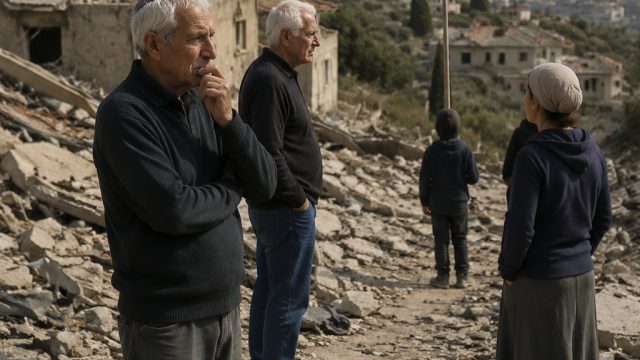
As the conflict in Northern Israel continues, many residents express their doubts over the effectiveness of any proposed ceasefire agreements. The persistent clashes with Hezbollah and the resulting humanitarian crises have left local communities feeling anxious and disillusioned.
The Ongoing Conflict
In recent weeks, violence between Israeli forces and Hezbollah has escalated, leading to significant casualties on both sides. The recent military maneuvers and retaliatory strikes have not only affected combatants but have also taken a heavy toll on civilians. The situation has become increasingly dire, prompting discussions about potential ceasefires, yet many locals remain unconvinced.
Human Impact of the Warfare
Residents in northern towns report a profound sense of unease. Regular air raid sirens and military operations have become part of daily life, and many families find themselves in a state of constant alert. Access to basic necessities has been severely compromised, with increased reports of shortages in food and medical supplies.
- Emergency services overwhelmed by the number of casualties
- Schools and hospitals disrupted or closed due to security threats
- Psychological effects on children and families unable to escape the conflict
Attempts at Peace
While international calls for a ceasefire have emerged, local citizens question whether any agreement would hold amidst the ongoing hostilities. Historical precedents have shown that ceasefires in the region often lead to temporary respites rather than lasting peace. This skepticism is fueled by the lack of trust in political leaders and their commitment to addressing the root causes of the conflict.
Voices from the Ground
Interviews with residents reveal a palpable distrust towards both their government and Hezbollah. Many believe that the absence of genuine dialogue is a significant barrier to any meaningful ceasefire. “Every time they promise peace, it feels like a temporary bandage on a festering wound,” says a local shopkeeper. “We need stability, not just words.”
Challenges Ahead
The path to achieving a sustainable ceasefire is fraught with obstacles. Political divisions and regional tensions complicate the situation further. As discussions about ceasefire arrangements continue, local residents remain cautious, aware that the humanitarian crisis is far from over. The desire for peace is overshadowed by the harsh realities of everyday life in a conflict zone.
The Role of the International Community
International actors have been vocal in advocating for a ceasefire, emphasizing the need for humanitarian access and aid. However, the effectiveness of these interventions remains under scrutiny. Critics argue that without a concerted effort to address the underlying issues driving the conflict, any ceasefire will be merely a temporary solution.
Conclusion: The Uncertain Future
As the situation in Northern Israel evolves, the skepticism among residents highlights the complexities of achieving peace in the region. While hope for a ceasefire exists, the realities on the ground suggest that significant changes are needed for any agreement to be effective. For now, the local populace continues to navigate their lives amidst uncertainty, yearning for a time when peace is more than just a distant aspiration.
