
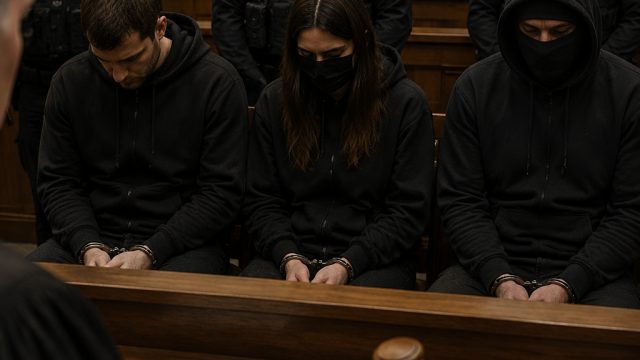
In a significant development in Texas, several individuals linked to protests against U.S. Immigration and Customs Enforcement (ICE) have received harsh sentences, rounding out a contentious chapter in the ongoing debate over immigration policies and civil liberties. These convictions highlight not only the ramifications of the actions taken during the protests but also stir discussions about the intersection of activism and legal consequences.
Background of the Incident
The protests at the Alvarado ICE facility escalated into violent altercations, leading to a high-profile trial that drew national attention. Initially, the protestors aimed to voice dissent against ICE's enforcement of immigration laws, which many activists deem inhumane. However, events took a drastic turn when some demonstrators were accused of engaging in terrorism-related activities.
Timeline of Events
- Protest began in response to reported ICE raids.
- Clashes occurred between law enforcement and protestors, leading to arrests.
- Trial revealed evidence of premeditated violence against ICE officials.
- Convictions followed, resulting in lengthy sentencing for key participants.
Legal Ramifications and Sentences
The sentences handed down to the convicted individuals range from a decade to almost a century in prison, a stark reflection of the seriousness with which the judicial system is treating the incidents. This situation raises complex questions about the legal definitions surrounding protest actions and the limits of civil disobedience.
Charges Faced by Protesters
Protesters were charged with multiple counts including:
- Terroristic threats
- Assault on law enforcement officers
- Conspiracy to commit violent acts
- Destruction of government property
These charges signify a stringent approach by authorities toward individuals who engage in protests that escalate to violence. The maximum sentences have set a notable precedent that could influence future demonstrators.
The Broader Implications
This case has sparked outrage among civil rights advocates who argue that such severe punishments may stifle free speech and discourage peaceful protests against government actions. Activists fear that the ruling may result in a chilling effect on future demonstrations related to immigration policies, particularly in a politically charged environment where tensions are already high.
Public Reaction and Future Outlook
The sentences have ignited debates across social media and public forums, with many people expressing concern regarding the balance between maintaining public order and protecting the right to protest. As the dialogue continues, many are left wondering how these convictions will influence upcoming protests, especially regarding critical immigration matters. As activists plan for future demonstrations, the legal consequences highlighted in this case serve as a cautionary tale.
Conclusion
The sentencing of these protesters underscores the serious nature of the conflict surrounding immigration enforcement and the methods used to oppose it. As Texas and the nation grapple with immigration policy and civil liberties, the outcome of this case is sure to resonate moving forward. It raises critical questions about dissent, democracy, and the consequences of civil disobedience in a time when many individuals feel compelled to take a stand against governmental policies.
