
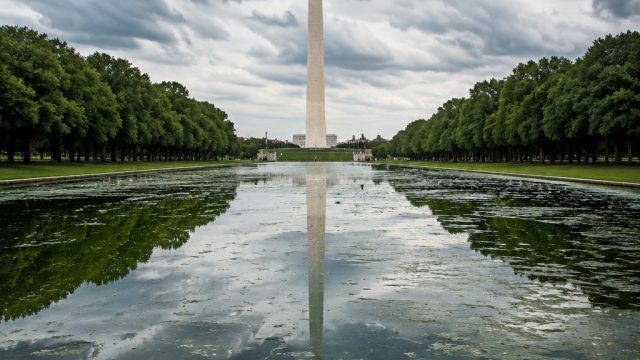
The Lincoln Memorial Reflecting Pool has become an unexpected focal point in recent national discussions, evolving beyond its original purpose as a serene landscape. The 2,028-foot pool, which has served as a backdrop for countless historical moments, now stands as a metaphor for the tumultuous political and environmental challenges facing the United States today. This transformation is particularly pertinent as we navigate a period marked by intense scrutiny of public spaces and their meanings.
A Pool of Contrasts
Once a symbol of tranquility, the Reflecting Pool has recently faced a series of unfortunate events, including reports of dead ducks found in its waters. These incidents have spurred public outcry and forced government agencies to address not only the pool's maintenance but also the broader implications of environmental neglect. As summer heats up and temperatures soar, this situation has prompted discussions around the management of public spaces and the responsibilities associated with preserving their integrity.
Environmental Oversight
The environmental conditions of the Reflecting Pool are indicative of larger issues affecting urban landscapes. Recent reports have highlighted:
- The impact of pollution on local wildlife.
- Insufficient maintenance leading to deteriorating conditions.
- The need for improved regulations regarding public space management.
These factors not only affect the aesthetic value of the Reflecting Pool but also raise questions about governmental accountability in maintaining such iconic sites.
Public Reaction and Political Ramifications
The public's response to the situation surrounding the Reflecting Pool has been fervent. Social media platforms are abuzz with discussions, with many equating the pool's deterioration to a lack of leadership and foresight. This sentiment is amplified by the current political climate, where every misstep is scrutinized and has implications for public confidence in leadership. Observers are asking:
- What does the state of the Reflecting Pool say about the administration's priorities?
- How does this incident factor into the larger narrative surrounding public trust?
The pool, once a place for reflection, is now a subject of debate, illustrating the challenges faced by those in office. This situation exemplifies how public spaces can become symbols of political accountability — or the lack thereof.
Symbolism in Times of Crisis
The Reflecting Pool serves as more than just a decorative feature; it is a mirror reflecting the nation's current state. The imagery of the polluted waters speaks to broader societal frustrations, particularly in relation to environmental oversight and governance. As the country grapples with climate change and increasing environmental crises, the pool's fate raises awareness about the need for sustainable practices in managing both natural and urban environments.
Looking Ahead: The Path Forward
As we move forward, it is essential to consider the lessons that the Reflecting Pool reflects. Here are some steps that could be taken to restore its former glory and symbolize hope for the future:
- Increased funding for maintenance and environmental rehabilitation.
- Community involvement in the stewardship of public spaces.
- Implementation of sustainable practices in urban planning.
The Reflecting Pool can once again serve its intended purpose as a place for both tranquility and reflection. By taking proactive measures, we can transform this metaphor of turmoil into one of resilience and community spirit.
Conclusion: A Call to Action
The current state of the Lincoln Memorial Reflecting Pool highlights the complexities of managing public spaces in an era of heightened environmental and political awareness. As we observe the developments surrounding this iconic landmark, let it be a reminder of our collective responsibility to ensure that our public spaces serve their intended purpose. The challenge is not merely about restoring a physical space but about fostering a renewed commitment to our shared environment and civic engagement. By prioritizing these efforts, we can turn a moment of crisis into an opportunity for positive change.
