
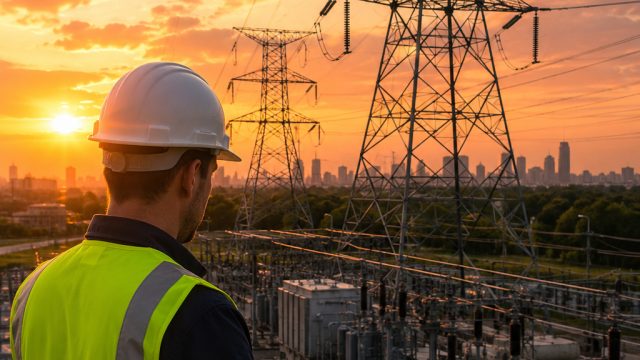
As Great Britain faces an unprecedented heatwave, the National Energy System Operator (Neso) has taken decisive action to ensure that electricity supply meets rising demand. On Wednesday evening, Neso is projected to allocate approximately £10 million to activate gas power plants, a crucial step in preventing a potential power crisis.
The Impact of Extreme Heat on Energy Demand
The soaring temperatures have led to a spike in residential electricity usage, primarily driven by widespread use of air conditioning units and electric fans. As millions of households across the UK seek relief from the heat, the grid operator faces the challenge of balancing supply and demand, a task that has become increasingly critical in recent weeks.
Understanding the Energy Demand Dynamics
During heatwaves, energy consumption typically surges. The following factors contribute to this increased demand:
- Air Conditioning Use: With temperatures rising past 30 degrees Celsius, air conditioners are working overtime.
- Increased Appliance Usage: Fans, refrigerators, and other appliances require more energy consumption during hot weather.
- Remote Work Trends: The shift to working from home has also led to higher energy usage throughout the day.
Neso's Response to the Crisis
To avert a potential power shortage, Neso is taking unprecedented steps. The decision to invest £10 million in activating gas power plants demonstrates the urgency of the situation. This expenditure underscores the importance of maintaining a reliable energy supply, especially during extreme weather conditions.
Strategic Use of Gas Power Plants
Gas power plants play a pivotal role in the UK's energy mix. They provide:
- Flexible Power Generation: Gas plants can be ramped up quickly to respond to sudden spikes in electricity demand.
- Supplemental Energy Supply: They act as a backup during peak usage times, ensuring that the grid stays balanced.
- Lower Emissions: Compared to coal, gas plants produce fewer emissions, making them a more environmentally friendly option.
The Broader Context of Energy Management
This situation highlights the pressing need for robust energy management strategies as extreme weather events become more frequent due to climate change. The current heatwave serves as a reminder of the vulnerabilities within the energy system that can be exacerbated by rising temperatures.
Long-Term Solutions for Energy Resilience
To enhance the resilience of the energy grid, several long-term solutions have been proposed:
- Investment in Renewable Energy: Expanding renewable sources like solar and wind can reduce reliance on fossil fuels.
- Energy Storage Technologies: Implementing battery storage systems can help balance supply with demand during peak times.
- Demand Response Initiatives: Encouraging consumers to shift their energy usage can lessen the strain on the grid.
Conclusion
The current heatwave in Great Britain has prompted the National Energy System Operator to act swiftly and decisively to ensure that the power supply remains stable. By investing £10 million in gas power, Neso demonstrates commitment to energy security during critical times. As climate change continues to influence weather patterns, the importance of developing sustainable and resilient energy management strategies cannot be overstated. The actions taken now will shape the future of the UK’s energy landscape.
