
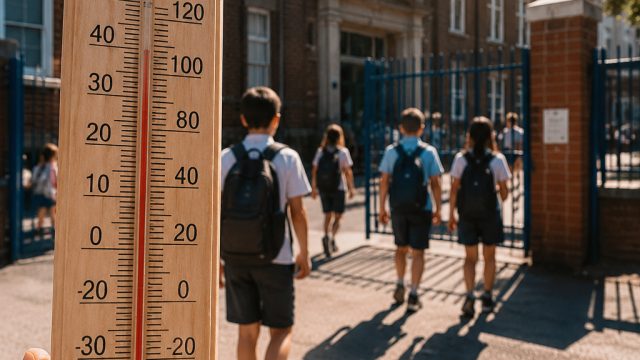
As the UK faces unprecedented heat levels, hundreds of schools are taking the proactive step of closing their doors to ensure the safety and well-being of students and staff. This decision comes as the country braces for temperatures that could break all previous records, raising significant concerns about health and safety in educational environments.
The Scope of the Heatwave
The ongoing heatwave has prompted the UK Met Office to issue several warnings, forecasting that this week will likely see temperatures soar above 40 degrees Celsius (104 degrees Fahrenheit) in some regions. This extreme weather poses not only discomfort but also serious health risks, particularly for children.
Rising Temperatures: A Cause for Concern
- Heat stress and dehydration risks among children.
- Increased likelihood of heat-related illnesses in schools.
- Impact on educational activities and learning environments.
Given these factors, many school authorities have opted to close their facilities temporarily. This measure aims to protect students from the adverse effects of heat exposure, which can significantly hamper their ability to learn and thrive.
School Closures: What’s Happening?
Local councils and educational institutions are responding rapidly to the heatwave crisis. Some notable actions include:
- Emergency Closures: Hundreds of schools across England and Wales have announced closures ranging from a single day to the entire week.
- Flexible Learning Arrangements: Schools that remain open are implementing flexible learning hours to avoid peak heat times.
- Outdoor Activity Restrictions: Physical education and outdoor play are being limited to prevent heat-related illnesses.
Parents are faced with the challenge of arranging childcare and alternative educational activities during these closures, which can create additional burdens.
The Role of Parents and Communities
As communities navigate these unprecedented closures, the role of parents and guardians becomes increasingly vital. Here are some ways families can prepare:
- Stay informed through local news and school communications.
- Develop a plan for supervised activities and childcare during school closures.
- Encourage children to stay hydrated and recognize signs of heat stress.
Community organizations are stepping up, offering programs and resources for kids who need engaging activities during the heatwave. This collaborative effort is crucial in maintaining a sense of normalcy for children during this period of disruption.
Long-Term Impacts of Extreme Heat on Education
School closures due to extreme weather events highlight a growing concern about the long-term implications of climate change on education. The increasing frequency of heatwaves poses serious questions about infrastructure resilience and student safety:
- Will schools need to invest in better cooling systems?
- How can educational facilities adapt to ensure safety during extreme weather?
- What support systems are necessary for families affected by such closures?
Addressing these questions is essential not only for immediate safety but also for planning a sustainable educational environment moving forward.
Looking Ahead: Preparing for Future Weather Events
As the UK copes with this record-breaking heatwave, it serves as a critical reminder of the need for preparedness. Stakeholders, including government bodies, educators, and parents, must collaborate to develop comprehensive strategies that will mitigate the impact of extreme weather on education.
In conclusion, while this summer heatwave poses immediate challenges for schools and families, it also emphasizes the urgent need for longer-term solutions to safeguard students' health and educational integrity. By staying informed and prepared, communities can better navigate these heat-related disruptions.
Stay tuned to xelmado.com for more updates on this developing story and for insights into how communities are responding to the challenges posed by climate change and extreme weather.
