
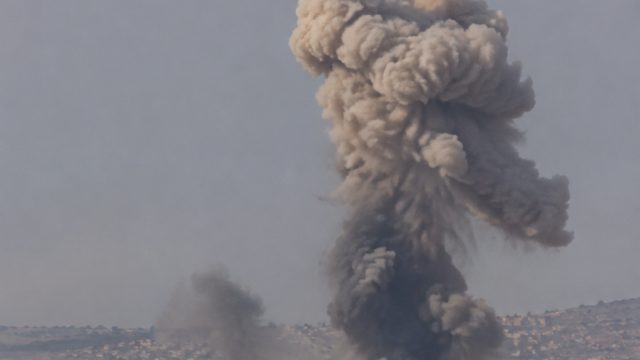
In a pivotal operation, the United States Central Command (CENTCOM) successfully executed an airstrike in northwest Syria on a notable ISIS figure, Ali Husayn al-'Ulaywi. This action represents a critical juncture in the ongoing battle against terrorism in the region.
Background on Ali Husayn al-'Ulaywi
Al-'Ulaywi, a senior leader within ISIS, has been linked to various terrorist activities that have threatened regional stability. Known for orchestrating attacks that target both military and civilian sectors, his elimination is anticipated to disrupt the operational capabilities of ISIS.
The Current State of ISIS in Syria
While ISIS has experienced significant territorial losses since 2017, the group remains a potent threat in regions like Syria, where it retains the ability to carry out attacks. This airstrike underscores the continued vigilance necessary to counteract their influence.
The Significance of the Airstrike
The airstrike targeting al-'Ulaywi is not merely a tactical military success; it carries broader implications for global counterterrorism efforts. The timing of this operation is crucial, as it comes amid rising concerns about a resurgence of extremist groups amid geopolitical shifts.
Impact on Regional Security
- Disruption of ISIS Operations: The removal of a high-ranking leader like al-'Ulaywi is expected to create a leadership vacuum, potentially decreasing the efficiency of ISIS's operational commands.
- Reinforcement of US Commitment: This airstrike serves as a reminder of the US's intent to confront terrorism persistently, bolstering its commitment to partners in the region.
- Potential for Retaliation: However, the action may provoke retaliation from ISIS sympathizers, necessitating heightened security measures across the region.
Broader Implications for Counterterrorism
As the fight against terrorism evolves, the landscape in which groups like ISIS operate is constantly changing. The recent airstrike highlights the need for adaptive strategies in counterterrorism, focusing on intelligence sharing and international cooperation.
International Cooperation: A Key to Success
To effectively combat the threat posed by ISIS and similar organizations, nations must enhance their collaborative efforts. Initiatives might include:
- Information Sharing: Enhanced intelligence collaboration can lead to more precise targeting and timely interventions.
- Joint Operations: Coordinated military actions across borders can disrupt terrorist networks more effectively.
- Community Engagement: Local communities play a crucial role in identifying signs of radicalization and recruitment.
Conclusion: A Step Forward in the Fight Against Terrorism
The recent airstrike that eliminated Ali Husayn al-'Ulaywi marks a significant step in the ongoing efforts to dismantle ISIS and similar threats. While it represents a meaningful victory, the broader war on terrorism remains complex and multifaceted. Vigilance, cooperation, and innovative strategies will be essential as the US and its allies continue to navigate this challenging landscape.
As the situation develops, the international community's response and strategies to address potential retaliation and maintain security will be crucial in determining the future dynamics of terrorism in the region.
