
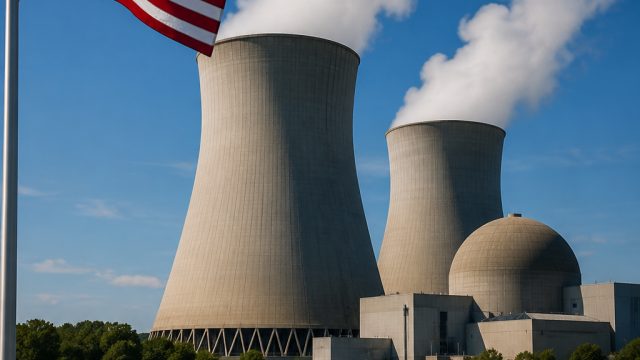
In a significant move to bolster the nation’s energy infrastructure, the U.S. government has announced a substantial $17.5 billion loan program aimed at the construction of ten large nuclear reactors. This initiative is not only historic but timely, as the country grapples with energy demands and climate change challenges.
The Rationale Behind the Investment
The recent announcement comes at a moment when energy sustainability and security are crucial topics of discussion across the globe. With the Biden administration advocating for a greater shift towards renewable energy, the inclusion of nuclear energy—often viewed as a controversial but essential part of the energy mix—has gained renewed attention.
Addressing Energy Demands
The rising energy costs and the urgency to meet growing electricity demands have prompted policymakers to reassess their strategies. Nuclear power, which can provide a stable and continuous energy supply, is seen as a viable solution. The federal loans are expected to give a significant boost to companies willing to invest in nuclear technologies, promoting job creation and energy independence.
Climate Change Considerations
Climate change remains a pressing issue, and the push for cleaner energy sources is essential. Nuclear energy produces minimal greenhouse gas emissions compared to fossil fuels. By investing in new reactors, the U.S. can aim to reduce its carbon footprint while ensuring energy reliability. This move aligns with international climate goals and the commitments made during global summits.
Potential Economic Impact
The financial implications of this initiative are considerable. The loan program is designed to make it more feasible for companies to undertake large-scale nuclear projects that might have otherwise been too risky without government backing. This could lead to:
- Creation of thousands of jobs across various sectors, including construction, engineering, and operation.
- Development of advanced technologies that could enhance reactor safety and efficiency.
- Increased investment in local economies where these reactors will be built.
Long-Term Benefits
While the immediate impact focuses on job creation and investment, the long-term benefits extend to energy stability and sustainability. By diversifying the energy portfolio with nuclear power, the U.S. can minimize reliance on imported fuels and volatile oil markets. This strategic approach could lead to lower energy prices for consumers in the long run.
Challenges and Controversies
Despite the advantages, the nuclear initiative faces skepticism from environmental groups and concerned citizens. Issues surrounding:
- Radioactive waste disposal
- Potential for accidents
- High initial costs of reactor construction
are at the forefront of opposition arguments. Additionally, there are calls for further investments in alternative renewable energy sources such as solar and wind to complement nuclear energy rather than rely solely on it.
Public Perception and Future Prospects
Public opinion on nuclear energy remains divided. While some appreciate its potential to provide a low-carbon energy source, others are concerned about safety and environmental impacts. As these new reactors are proposed, it will be essential for the government and energy companies to engage in transparent dialogues with the public and stakeholders, addressing fears and building trust.
Conclusion: The Future of U.S. Energy
The U.S. government's $17.5 billion loan program is a significant step towards enhancing the nation’s energy framework. As the world navigates the challenges of climate change and energy demands, this initiative could pave the way for a more resilient and sustainable energy future. By balancing nuclear energy expansion with investments in renewable sources, the U.S. can lead in energy innovation while safeguarding the environment.
