
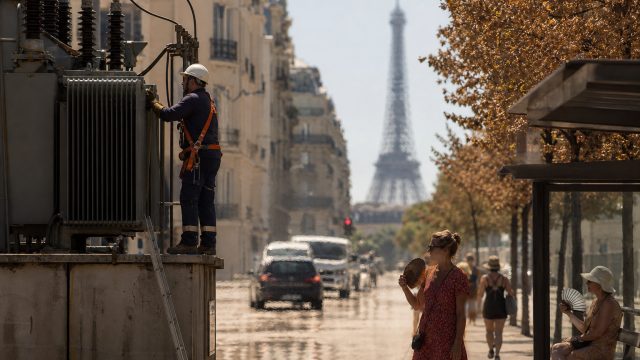
As Europe grapples with an intense heatwave that has set numerous temperature records, France is particularly affected, experiencing its hottest day since meteorological records began. The soaring temperatures have led to widespread power outages, raising concerns about the impact on public health and infrastructure during this unprecedented climatic event.
The Current Situation in France
On Thursday, France recorded a staggering temperature of 46°C (114.8°F) in some regions, a benchmark that had many citizens and experts alarmed. This extreme heatwave, referred to as the 'Omega' heat dome, has enveloped several countries across Europe, leading to increased energy demands and subsequent power failures in various areas. With many still reeling from the effects of previous heatwaves, the current scenario has prompted urgent discussions about sustainability and energy management.
Power Outages: A Growing Concern
The sudden spike in energy consumption due to air conditioning and cooling systems has overwhelmed the grid, resulting in power outages across multiple regions in France. Authorities are advising residents to conserve energy where possible, as the surge in demand could lead to further blackouts. The French government is working diligently to stabilize the situation, but the challenge is daunting. In the midst of this, citizens are urged to stay hydrated and avoid excessive outdoor activities during peak hours.
Environmental Implications of the Heatwave
This heatwave serves as a sobering reminder of the ongoing climate crisis that is affecting the planet. Scientists have long warned that rising global temperatures would lead to more frequent and severe heatwaves, which in turn could result in devastating effects on agriculture, water supply, and overall public health. The current conditions in France are a clear indication that climate change is not a distant threat but a present reality.
Adapting to the New Norm
As the world begins to adapt to these extreme weather conditions, several strategies can be implemented to mitigate the impact:
- Improved Infrastructure: Upgrading power systems to handle increased loads during heatwaves.
- Renewable Energy: Investing in solar and wind energy to decrease reliance on traditional energy sources.
- Public Awareness: Educating citizens on energy conservation techniques to help reduce peak demands.
- Urban Planning: Designing cities with green spaces that can help cool urban areas.
What’s Next for France?
Looking ahead, meteorologists predict that the heatwave will continue into the weekend, with temperatures potentially rising even higher. This situation calls for immediate action, not only from the government but also from individuals who can contribute to energy-saving efforts. The challenges posed by climate change are becoming increasingly apparent, making it urgent for countries to adopt more sustainable practices and policies.
Community Resilience
In response to the heatwave, communities across France have begun to band together, sharing resources and supporting one another during this challenging time. This spirit of resilience is vital as it fosters a sense of unity and cooperation among citizens, which is essential for navigating the difficulties posed by climate extremes.
Conclusion
The current heatwave in France is not just a weather anomaly; it represents a critical juncture in our response to climate change. Power outages, public health concerns, and the strain on resources are all interlinked issues that require comprehensive strategies and communal efforts. As France endures this extreme weather, it is a wake-up call for all to take action in combating the broader climate crisis that threatens our future.
