
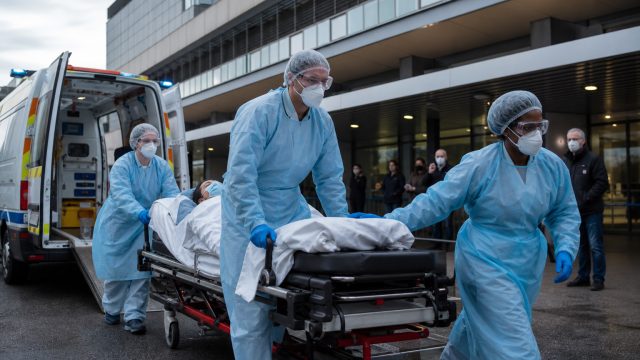
In a startling development, France has confirmed its first case of Ebola, marking a significant moment as the outbreak in Africa continues to escalate beyond 1,000 reported cases. The individual, a doctor who had recently returned from the Democratic Republic of the Congo (DRC), is currently receiving treatment in a specialized hospital in Paris. This alarming situation underscores the growing urgency for global health agencies to respond promptly and efficiently.
The DRC's Ongoing Battle with Ebola
The Democratic Republic of the Congo is experiencing one of the most severe outbreaks of Ebola in recent history. As the number of cases surpasses 1,000, health officials are grappling with the challenges of containing the virus, which has proven to spread rapidly in certain regions. The World Health Organization (WHO) has warned that this outbreak is the fastest-growing in Africa's history, raising significant concerns about public health strategies in place.
Factors Contributing to the Surge
- Increased Human Interaction: The combination of urbanization and farming activities has brought people into closer contact with wildlife, where the virus often originates.
- Shortage of Medical Resources: Many affected areas lack adequate healthcare facilities, making it difficult to treat infected individuals.
- Community Resistance: Misinformation and mistrust surrounding the virus and its treatment can hinder response efforts.
France's Response and Preparedness
In light of the confirmed case, France is taking preventive measures to ensure that the situation is managed effectively. The French health ministry has stated that all necessary protocols have been activated to prevent further transmission. Screening measures have been intensified at airports and border crossings, particularly for travelers coming from regions experiencing outbreaks.
Healthcare System on Alert
French hospitals are currently on high alert, equipped with the necessary resources to handle potential cases of Ebola. Medical professionals are being trained to recognize symptoms associated with the virus and how to manage patient care. The government is emphasizing the importance of public awareness, urging citizens to stay informed about Ebola symptoms and the steps to take if they feel unwell after recent travel.
Global Health Implications
The confirmation of Ebola in France is not just a national concern but a global one. As countries scramble to control the outbreak, international cooperation is becoming increasingly crucial. Health experts are advocating for stronger surveillance systems and better resource allocation to assist affected regions. Importantly, vaccination efforts are being ramped up, focusing on those at highest risk of contracting the virus.
What Can Individuals Do?
In light of the emerging situation, individuals are encouraged to:
- Stay informed about the latest health advisories related to Ebola.
- Practice good hygiene, particularly after traveling to areas where outbreaks are occurring.
- Seek immediate medical attention if experiencing symptoms such as fever, vomiting, or unexplained bleeding.
Conclusion
The emergence of Ebola in France amidst a rapidly escalating outbreak in Africa highlights a critical moment for global health. It brings to the forefront the need for robust health infrastructure, effective communication, and international collaboration. As we continue to monitor this situation, staying informed and prepared is the best approach for individuals and communities alike. The collective effort in tackling this outbreak is essential for preventing further spread and ensuring public safety.
